
Last updated November 25, 2026
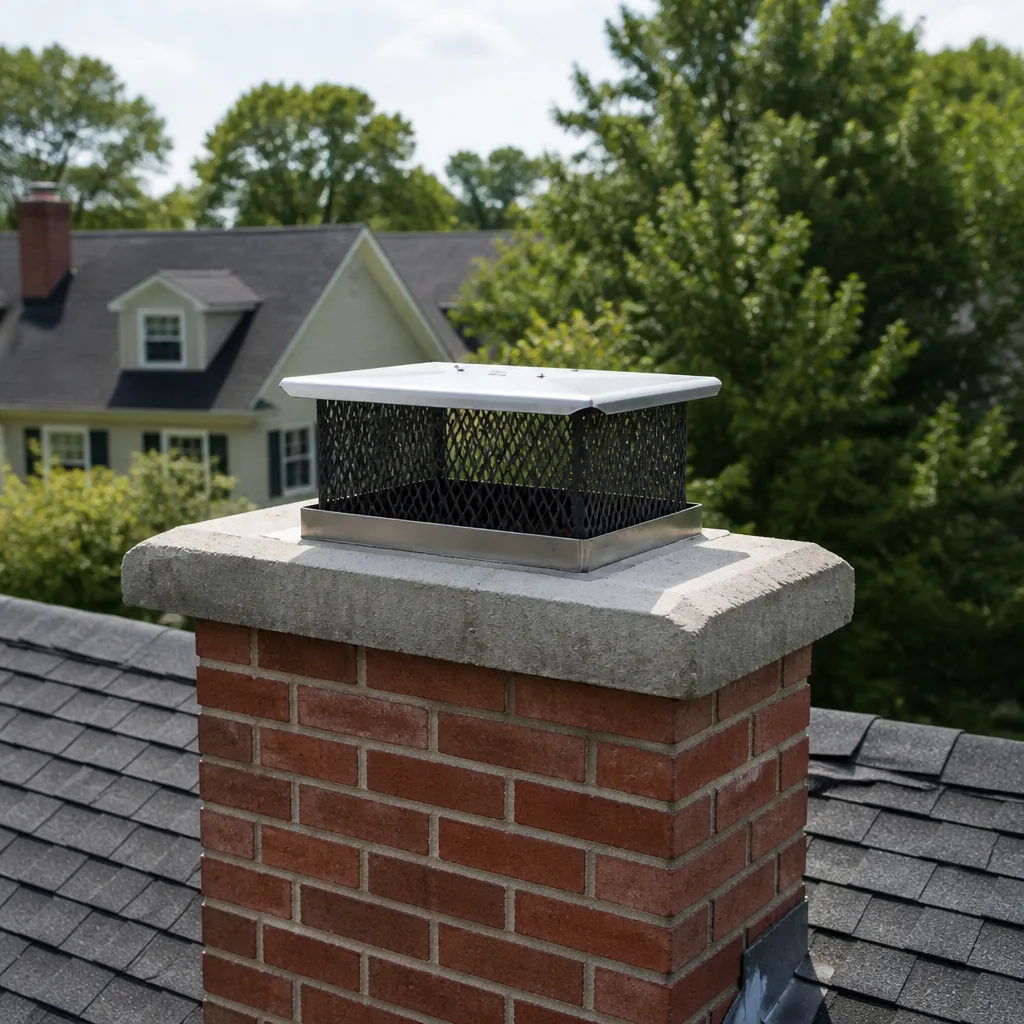 Sweep & inspection
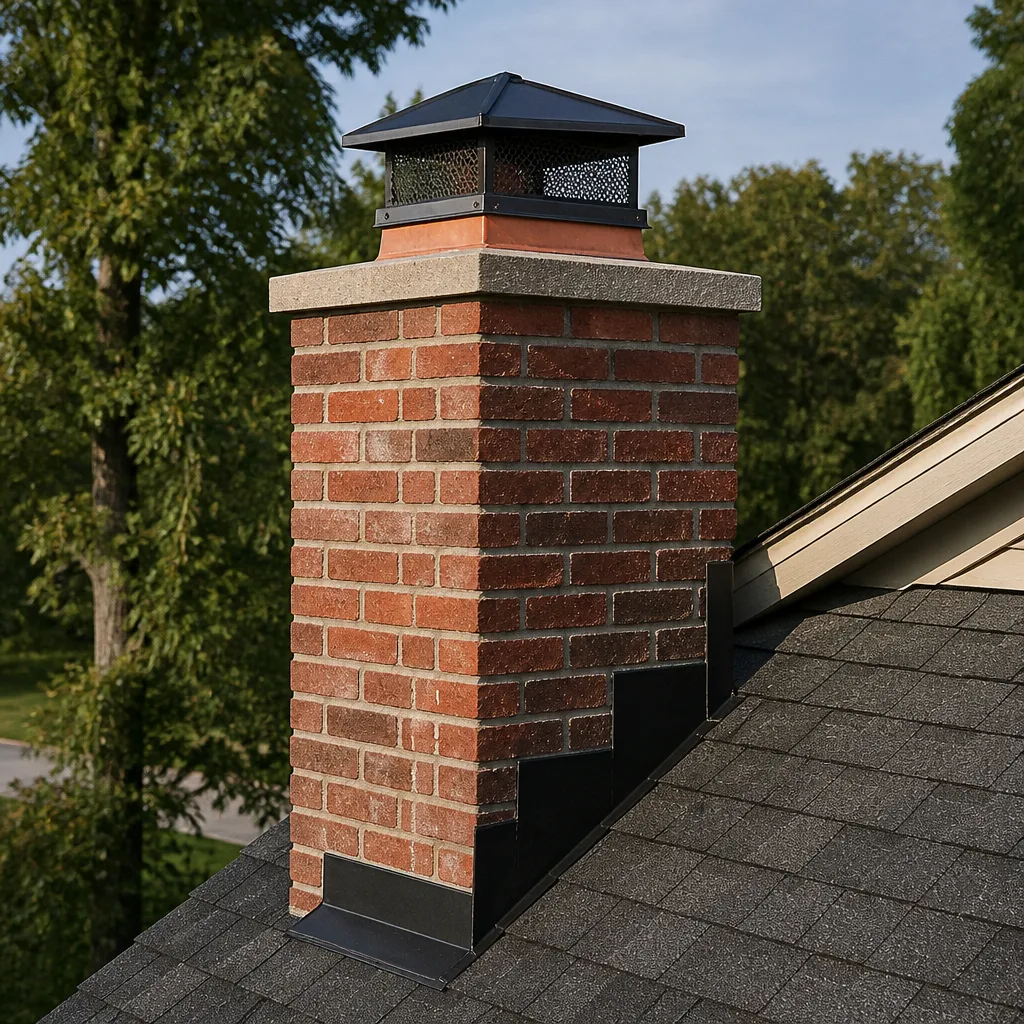 Caps & crowns
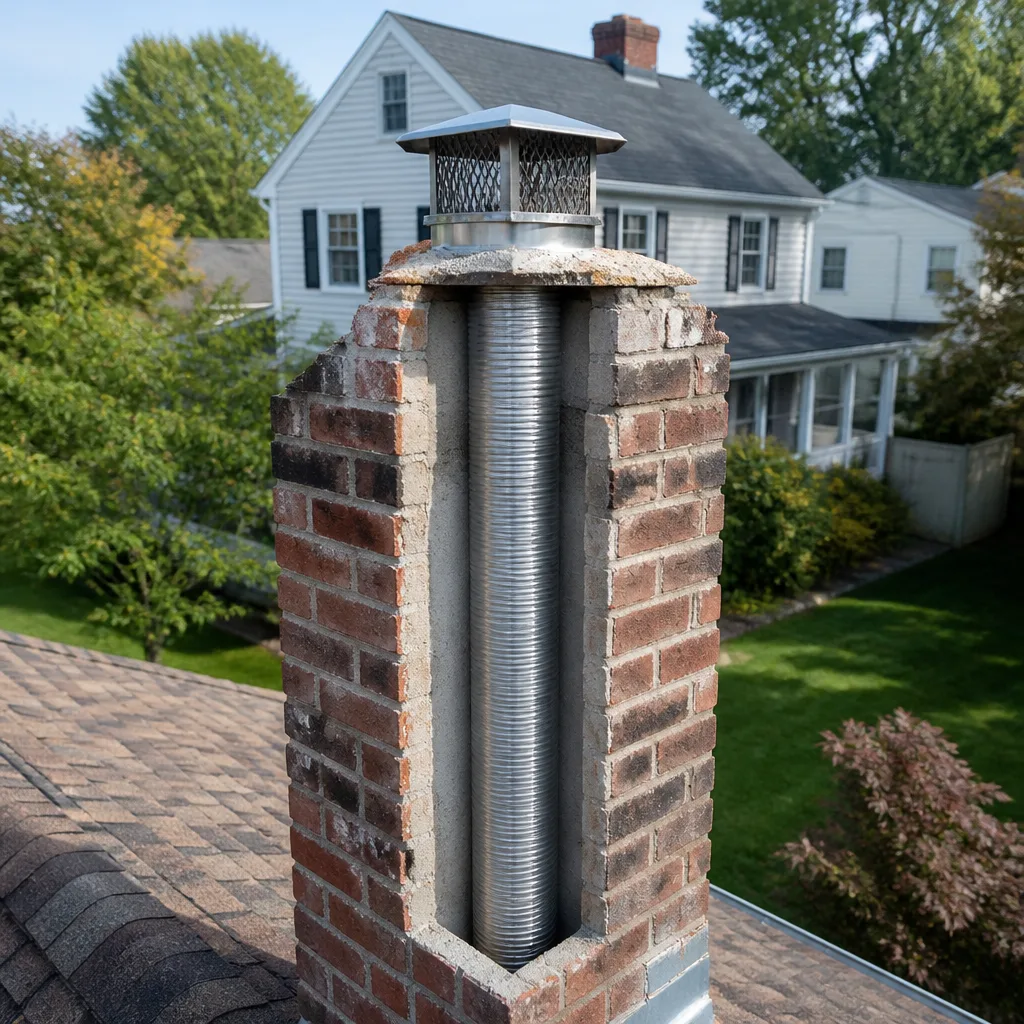 Flue relining
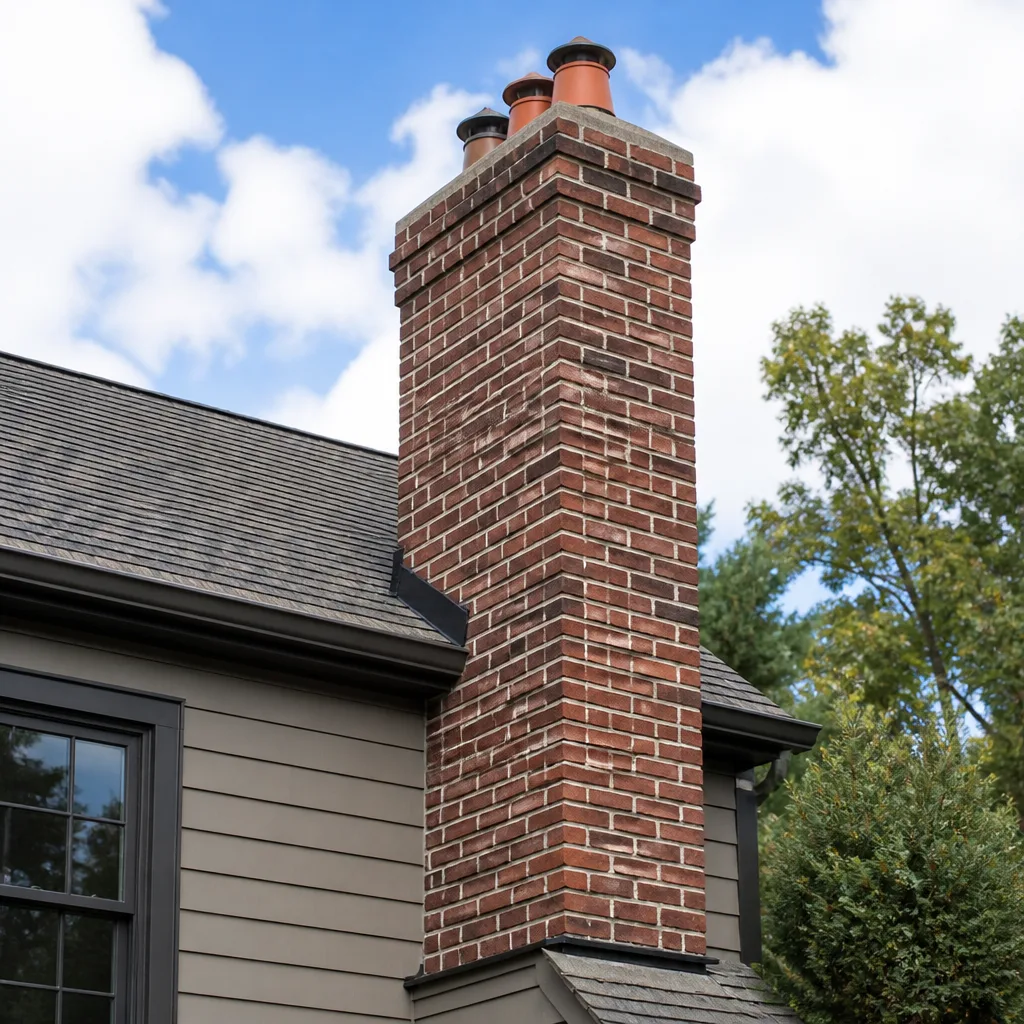 Masonry repair
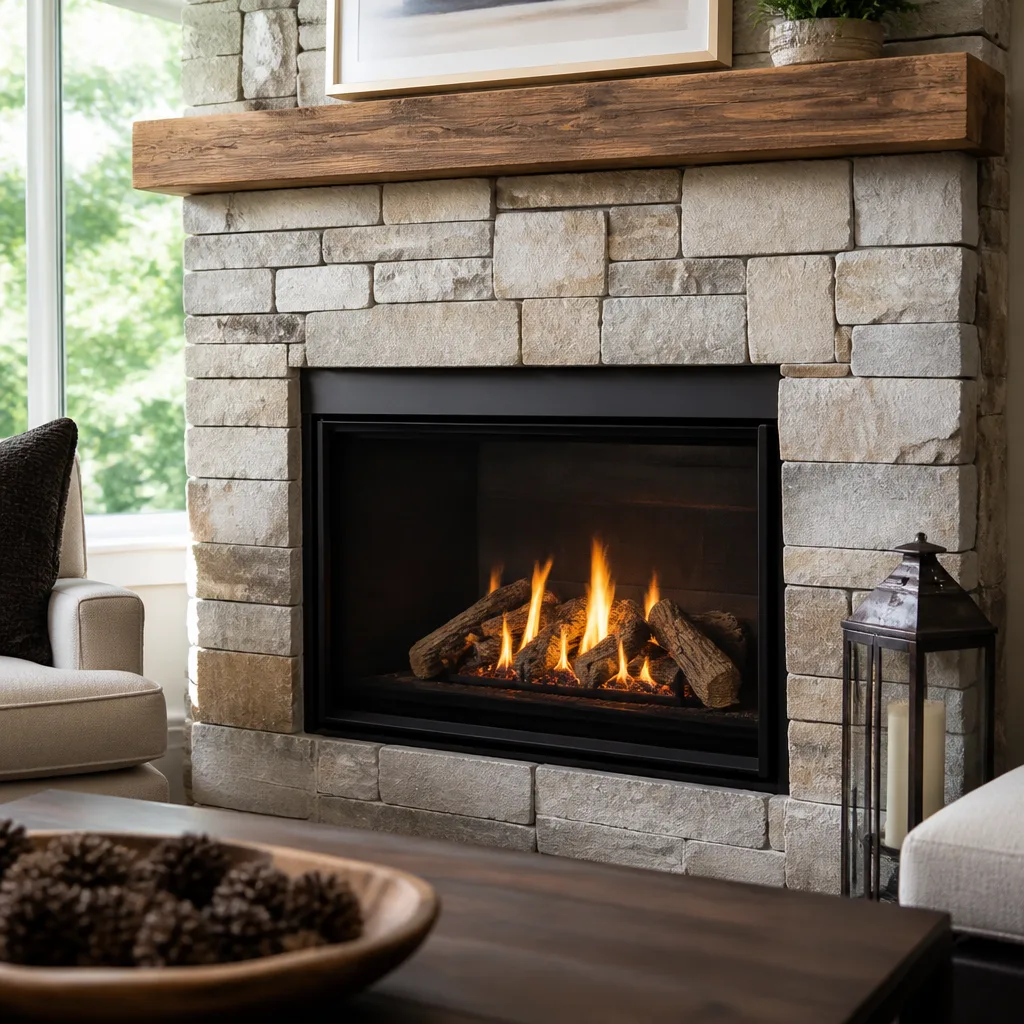 Gas fireplace service
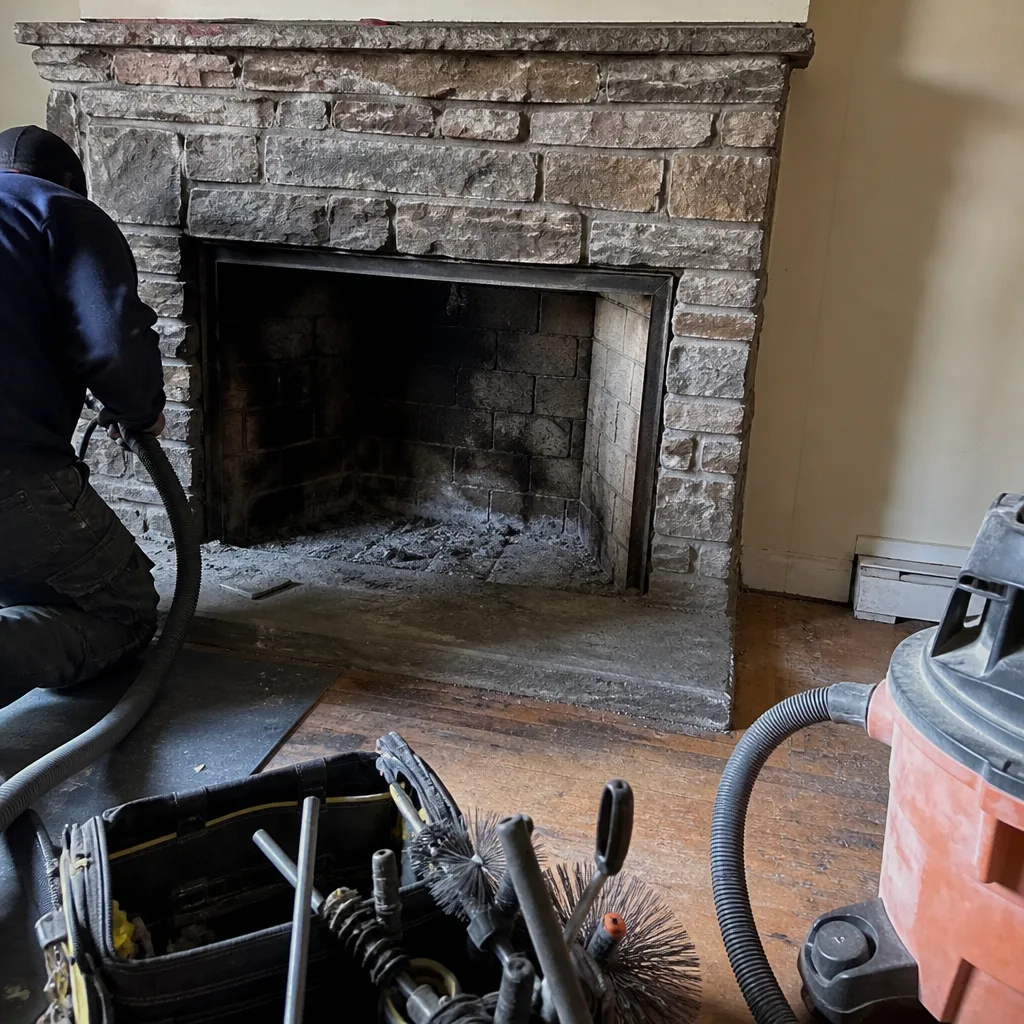
Level 1 sweep and inspection to the NFPA 211 annual standard - flue, crown, cap, and flashing checked and photographed
Chimney sweep logs do not sweep chimneys. They loosen some creosote - which then falls where a brush and vacuum still have to collect it.
Chimney Sweep Maintenance Checklist for Roslindale Homeowners
Most printable chimney checklists were written for a generic house that doesn’t exist. They tell you to “check the liner” and “inspect the cap” without ever asking what your chimney is actually made of, or when it was built. In Roslindale, that gap matters more than in most places. The housing stock here spans nearly a century of building methods, from 1920s clay-tile flues near the Arnold Arboretum to 1990s prefab metal systems off Washington Street, and the right checklist for one looks nothing like the right checklist for the other. This guide is built around the flue types and construction eras most common in Roslindale’s 02131 zip code, so you can check the right things at the right time of year and know what you’re looking at before anyone shows up.
By the end you’ll know how to identify your liner type, what you can safely assess from the ground, which interior warning signs deserve a call, and how to time your maintenance around our New England burn season.
Quick Answer
A useful chimney maintenance checklist for a Roslindale homeowner has three parts: a seasonal timing schedule (fall before first use, mid-winter during heavy burning, spring after shut-down), a homeowner-safe exterior inspection you can do from ground level, and a short list of interior indicators that mean it’s time to book a professional sweep and inspection. The checklist changes depending on your liner type: clay-tile and cast-in-place flues in older Roslindale homes need different attention than stainless-steel-lined or prefab metal systems.
Styles & brands we work with
- Sweep & inspection
- Caps & crowns
- Flue relining
- Masonry repair
- Gas fireplace service
Table of Contents
- Step 1: Identify Your Flue Liner Type Before the Sweep Arrives
- Step 2: The Exterior Inspection You Can Do From the Ground
- Step 3: Interior Indicators You Can See From the Firebox
- The Seasonal Timing Matrix: Fall, Winter, Spring
- Step 4: Photograph Your Cap and Crown Every Year
- Why Roslindale Housing Stock Changes the Checklist
- Common Mistakes to Avoid
- When to Call a Professional
- Frequently Asked Questions
Step 1: Identify Your Flue Liner Type Before the Sweep Arrives
The single most useful thing you can do before booking a chimney sweep is figure out what type of liner your flue has. It determines what the technician will look for, what questions are worth asking, and how the job is likely to go. In Roslindale, three liner types dominate, and which one you have almost always tracks the era your house was built.
Clay Tile Liner
Clay tile is the most common liner in Roslindale homes built between roughly the 1920s and the 1970s. It’s a series of square or rectangular terra-cotta tiles stacked inside the flue, held together with refractory mortar at the joints. It works well when it’s intact and well-supported. The failure mode to watch for is cracked or spalling tile, especially at the joints, which allows heat and combustion gases to reach the surrounding masonry. You can sometimes see the top of the tiles by looking down the flue with a flashlight from the roof (only if you can do so safely), but the reliable way to assess the whole liner is with a camera inspection.
Cast-in-Place Liner
Cast-in-place liners are a poured refractory material formed inside the existing flue, common as a retrofit in older Roslindale chimneys that had damaged clay tile. They’re generally durable but can develop cracks or separations over time, especially where the pour met the original masonry. If you have a cast-in-place liner, ask the technician to check for surface cracking and to confirm the liner is fully bonded to the flue walls.
Stainless Steel Liner
Flexible stainless steel liners, like the DuraFlex system we install, are the standard relining solution for older or offset flues that can’t safely hold clay tile. They’re also common in gas appliances and modern wood inserts. The failure points are at the connections, the top plate, and the bottom adapter, so a proper inspection looks at those terminations, not just the middle of the run.
How to Tell Which You Have
- Check the flue from inside the firebox with a flashlight. Square or rectangular terra-cotta tiles with visible mortar joints mean clay tile. A smooth, continuous grey or tan surface often means cast-in-place. A metallic, corrugated surface means stainless steel.
- Check the appliance. A prefab metal fireplace with a listed venting system typically has a factory stainless liner. A masonry fireplace generally has clay tile or cast-in-place unless it’s been relined.
- Check your home’s records. A prior relining permit or receipt will tell you. If you don’t have records, the inspection will settle it.
- Ask when you book. Tell the sweep what you saw. It helps them bring the right camera and the right questions.
Knowing your liner type before the sweep arrives means you can ask specific questions: “Is the tile cracked at the joint?” or “Is the top plate sealed?” rather than a vague “Is it okay?” That’s the difference between a checklist that works and one that just gets filed away.
Step 2: The Exterior Inspection You Can Do From the Ground
You don’t need to get on the roof to catch the early signs of chimney trouble. From ground level, with a pair of binoculars and a phone camera, you can assess the three most common failure points on the exterior of a Roslindale chimney: the crown, the masonry face, and the flashing. This is the portion of the checklist that actually catches slow deterioration before it becomes an interior water problem.
What to Look For
- Crown cracking. The crown is the concrete cap at the very top of the chimney that sheds water away from the flue. Look for cracks, crumbling edges, or a crown that’s pulling away from the flue. A cracked crown is the leading cause of water damage inside a chimney, because it lets water run down the outside of the flue and into the masonry.
- Efflorescence staining. White, chalky staining on the exterior masonry is efflorescence, a salt deposit left when water moves through brick or mortar and evaporates. It’s a sign of moisture moving through the chimney, often from a failed crown, failed flashing, or missing cap.
- Flashing separation. Where the chimney meets the roof, metal flashing seals the joint. Look for lifted edges, gaps, rust, or tar patches that look fresh. Flashing that’s pulling away lets water into the roof and the chimney chase.
- Spalling brick and mortar joints. Look for brick faces that are flaking or popping off, and mortar joints that are recessed or crumbly. In Roslindale’s freeze-thaw winters, saturated masonry takes a lot of damage.
- Missing or damaged cap. A chimney cap keeps rain, animals, and debris out of the flue. If it’s missing, rusted through, or sitting loose, that’s a straightforward fix with real consequences for water intrusion.
This is where we spend a lot of our time on chimney cap & crown work, because these two components are the most common points of water intrusion and structural deterioration on Roslindale chimneys. Photograph them once a year from the same spot. Slow deterioration is easy to miss when you glance up from the driveway, and obvious when you compare two photos side by side.
Step 3: Interior Indicators You Can See From the Firebox
You don’t need to disassemble anything to get useful information. A flashlight and a few minutes at the firebox will tell you a lot about what’s going on inside the flue. What you’re looking for here are signs that the liner or damper has been compromised, not signs of a dirty firebox, which is normal.
Indicators Worth a Closer Look
- Spalling tile debris in the firebox or smoke chamber. Loose flakes of terra-cotta or mortar on top of the smoke shelf are a sign that the clay tile liner is breaking down somewhere above. Do not ignore this one. Spalling tile means the liner is shedding material, and that material can eventually block the flue or expose the masonry to heat.
- Rust on the damper. Rust anywhere on the damper assembly, the firebox, or the smoke chamber points to water getting in, usually from above. It often traces back to the crown or flashing you’d see from the exterior.
- Smoke staining above the throat. Dark staining above the damper throat, or around the top of the firebox opening, suggests the chimney isn’t drafting the way it should. That can be a flue dimension issue, a partial blockage, or a liner problem, and it’s worth a professional look.
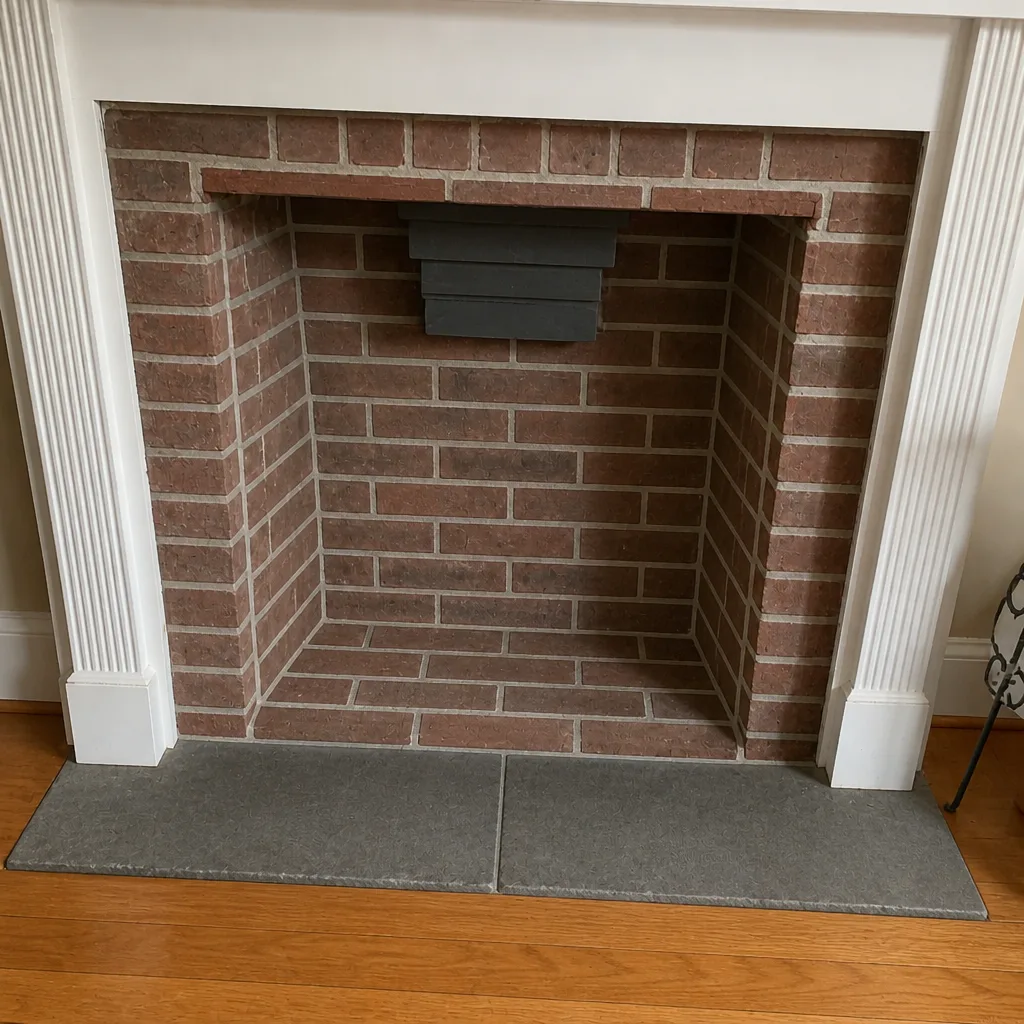
- Cracked or crumbling firebox brick and mortar. The firebox itself takes the most direct heat. Deteriorated firebox joints are a common fireplace repair item, and they’re worth fixing before the firebox wall gets compromised further.
- A damper that doesn’t open or close fully. A stuck-open damper wastes heat up the flue. A stuck-closed damper is a smoke problem waiting to happen. Either one is worth having repaired.
What you should not do is reach into the flue, try to pull a liner tile, or inspect anything above the smoke shelf yourself. The trained inspection, with a camera and the right access, is the only safe way to assess the liner above the firebox.
The Seasonal Timing Matrix: Fall, Winter, Spring
A maintenance checklist that runs on a single annual sweep is leaving useful information on the table. The conditions your chimney faces in Roslindale change through the year, and so should what you’re checking. Here’s how we think about the seasonal timing.
Fall: Before the First Fire
Fall is when the sweep and inspection belong. The goal is to start the burn season with a clean flue, an intact liner, and working exterior components. Before the first fire of the season:
- Book a professional sweep and inspection. A camera inspection and photo report should come with the job, so you can see what the technician sees.
- Do your ground-level exterior check. Photograph the crown, cap, and flashing.
- Test the damper. Open and close it fully a few times and look for rust.
- Check that the cap is secure and undamaged.
- Confirm your smoke and carbon monoxide detectors are working.
Mid-Winter: During Heavy Burn Season
Mid-winter is not the time for a full sweep (unless you’ve burned a lot of wood or notice a problem), but it’s a good time to check for creeping issues. If you’re burning steadily through a Roslindale winter, look for:
- Reduced draft. A fire that’s harder to start or smokier than it was in November can mean creosote buildup or a partial blockage.
- New stains or moisture at the firebox. Any change in the firebox is worth noting and photographing.
- Exterior changes. Fresh efflorescence or a new crack in the crown, caught mid-winter, is a spring repair rather than an emergency.
Spring: After Shut-Down
Spring is the best time for repair work, because the chimney will be out of service for weeks anyway. It’s also the time when winter damage is most visible. In spring:
- Book the inspection and any cap or crown repairs you flagged in fall or winter.
- Have any fireplace repair work done now, before the fall rush.
- Compare this year’s cap and crown photos to last year’s.
- Note anything you want addressed before next fall’s sweep.
Step 4: Photograph Your Cap and Crown Every Year
The single most overlooked maintenance habit is documentation. A chimney deteriorates slowly, and the eye is very good at normalizing what it sees every day. A photo taken from the same spot once a year catches changes that a glance up from the driveway will miss.
How to Build the Habit
- Pick a fixed photo spot. Stand at the same point in the yard, at the same time of day, and photograph the chimney top and crown. Use your phone’s zoom or a zoom lens, not a ladder.
- Photograph the flashings and the roof line where the chimney meets. Those are the second most common water-entry points after the crown.
- Label the photos with the season and year. “Fall 2026 chimney crown” tells you what you’re comparing against.
- Compare year over year. A hairline crack in year one that’s a finger-width gap in year three is a repair that was predictable and cheap in year one and expensive in year three.
- Keep the photos with the inspection report. When you book a sweep or repair, the photos give the technician a starting point.
This habit pairs naturally with the inspection report. A single annual inspection is a snapshot. Twelve years of photos are a record. The details that matter most, like a cap lifting slightly or a crown developing a hairline crack, show up in the comparison long before they show up as a problem you can see from the ground.
Why Roslindale Housing Stock Changes the Checklist
Roslindale is not one housing type. The neighborhood runs from early-20th-century triple-deckers and single-family homes near the Arnold Arboretum and Roslindale Square, to mid-century construction through West Roxbury Parkway and parts of Bellevue Hill, to newer builds and renovations toward Hyde Park and West Roxbury. Each era left behind a different chimney system, and each one fails in its own way.
Homes built in the 1920s and 1930s often have clay-tile liners that have now gone through nearly a century of heating cycles. Those liners are the ones most likely to be cracked, spalled, or missing mortar at the joints. If a Roslindale chimney from that era has never been relined, a camera inspection is not a formality, it’s the main event. Homes from the 1950s and 1960s frequently have cast-in-place liners poured as retrofits, and those need to be checked for surface cracking and bonding. Homes from the 1980s and 1990s often have prefab metal fireplaces with factory stainless venting, and those need to be assessed on the manufacturer’s terms, not on masonry terms. The technician’s job is different in each case.
Our New England climate adds to it. Freeze-thaw cycles in Roslindale work on saturated masonry year after year, so anything that lets water into the chimney, a cracked crown or a failed flashing, is doing more damage here than it would in a milder climate. That’s why we lean on the exterior checklist so heavily, and why we specify trade-grade components like Gelco and Olympia Chimney caps and HeatShield resurfacing when the liner needs work rather than replacement.
The construction-era question also tells you what to ask when you book. If you’re in an older Roslindale home and don’t know whether the liner has ever been relined, say so. If you have a prefab fireplace, say that too. It’s the difference between a generic sweep and one that’s actually looking at your chimney.
Common Mistakes to Avoid
- Treating every chimney the same. A maintenance checklist built for a 1920s clay-tile flue is close to useless on a 1990s prefab metal system. Identify your liner type first, then apply the right checklist.
- Skipping the exterior check because “it looks fine from the driveway.” A cracked crown is hard to see from the ground without binoculars or a photo. The yearly photo habit exists for exactly this reason.
- Ignoring spalling tile in the firebox. Loose flakes of terra-cotta in the firebox are not normal soot. They mean the clay tile liner is shedding material somewhere above, and that needs a camera inspection, not a cleanup.
- Burning without a cap. A missing or damaged cap lets rain, animals, and debris into the flue. It’s one of the cheapest components to fix and one of the most consequential to leave broken, especially in Roslindale’s wet winters.
- Booked the sweep but not the inspection. A sweep is a cleaning. An inspection is an assessment. The two are different jobs, and the inspection is the one that catches liner damage. Ask for both.
- Waiting until October to book. Fall is the busiest time for chimney work in Roslindale. Spring scheduling means the work gets done while the chimney is out of service anyway, and it’s ready before the first cold night.
- Ignoring rust on the damper. Rust on the damper or firebox almost always means water is getting into the chimney from above. Find the source before it does more damage, and don’t just clean the rust off.
When to Call a Professional
Some parts of the checklist you can handle yourself. Other scenarios call for a trained professional, and the right move is to call rather than to climb up and look. Call a professional when you find cracked or spalled tile in the firebox, when the damper is rusted or seized, when smoke stains above the throat suggest a drafting problem, when the crown is cracked or crumbling, when the flashing has separated, when you haven’t had the chimney inspected since before you moved in, and when you’re about to reline or repair anything above the smoke shelf. Those aren’t DIY items, and they don’t improve with waiting.
Chimney Sweep Roslindale offers free estimates in Roslindale. Call (844) 420-1248. We answer 24/7, with fast dispatch from 7am to 7pm, Sunday through Friday. We work exclusively on chimneys, so what you get is an assessment from a specialist, not a general contractor’s best guess.
Frequently Asked Questions
Once a year for most homes burning wood regularly, and more often if you burn a lot of wood through the winter. The standard rule is that a chimney should be inspected annually and swept when the creosote buildup or obstruction warrants it. For a Roslindale home using the fireplace as a primary heat source, the inspection is the anchor point: the sweep happens when the inspection says it’s needed. Call (844) 420-1248 for an exact quote; estimates are free.
You need a new liner when the existing liner can’t safely contain heat and combustion gases, and that’s a determination made with a camera inspection, not from the driveway. In our experience, the honest answer is that some chimneys need a full reline, some can be resurfaced with HeatShield where the liner is compromised but still sound enough to restore, and some just need a sweep and a new cap. Nothing should be recommended without camera evidence you can see for yourself. Call (844) 420-1248 for an exact quote; estimates are free.
Creosote builds up, the flue’s draft degrades, and the liner’s condition goes unchecked, which raises the risk of a chimney fire or carbon monoxide exposure. The slower, more common problem is water damage: a cracked crown or failed flashing lets moisture into the masonry through Roslindale’s freeze-thaw winters, and the repair grows with every season it’s deferred. A yearly sweep and inspection is the cheap version of that story. Call (844) 420-1248 for an exact quote; estimates are free.
A sweep is a cleaning. An inspection is an assessment of the chimney’s condition, including a camera inspection of the liner and a check of the firebox, smoke chamber, cap, and crown. They’re commonly booked together, and the inspection is the part that catches the problems. Ask for both when you schedule.
You can safely do the ground-level exterior check and the firebox-level interior check described in this guide, and you should. What you should not do is climb onto the roof or reach into the flue to inspect the liner yourself. Roof work is the highest-risk part of the job, and a camera inspection of the liner needs the right equipment and the training to read what it shows.
Pricing is set per job by a written estimate, so there’s no one number. What matters is that the estimate is agreed before the work is booked, that a camera inspection and photo report are included, and that you’re told plainly when work can safely wait. Call (844) 420-1248 for an exact quote; estimates are free.
The Bottom Line
A chimney maintenance checklist only works if it’s built around the chimney you actually have. In Roslindale, that means knowing your liner type before the sweep arrives, doing the exterior and firebox checks yourself, timing the work to fall, winter, and spring, and photographing your cap and crown once a year so slow deterioration shows up as a difference rather than a surprise. Do those five things and you’ll catch most problems while they’re still small repairs. When the checklist points to liner damage, a cracked crown, or a drafting problem, that’s the moment to call a specialist. Chimney Sweep Roslindale covers the full chimney system from the firebox to the cap, and we’re happy to take a look.
Call (844) 420-1248 for a free estimate. We answer 24/7. Fast dispatch from 7am to 7pm, Sunday through Friday. Visit Chimney Sweep Roslindale to book your sweep and inspection.
Written by the team at Chimney Sweep Roslindale.
See the difference
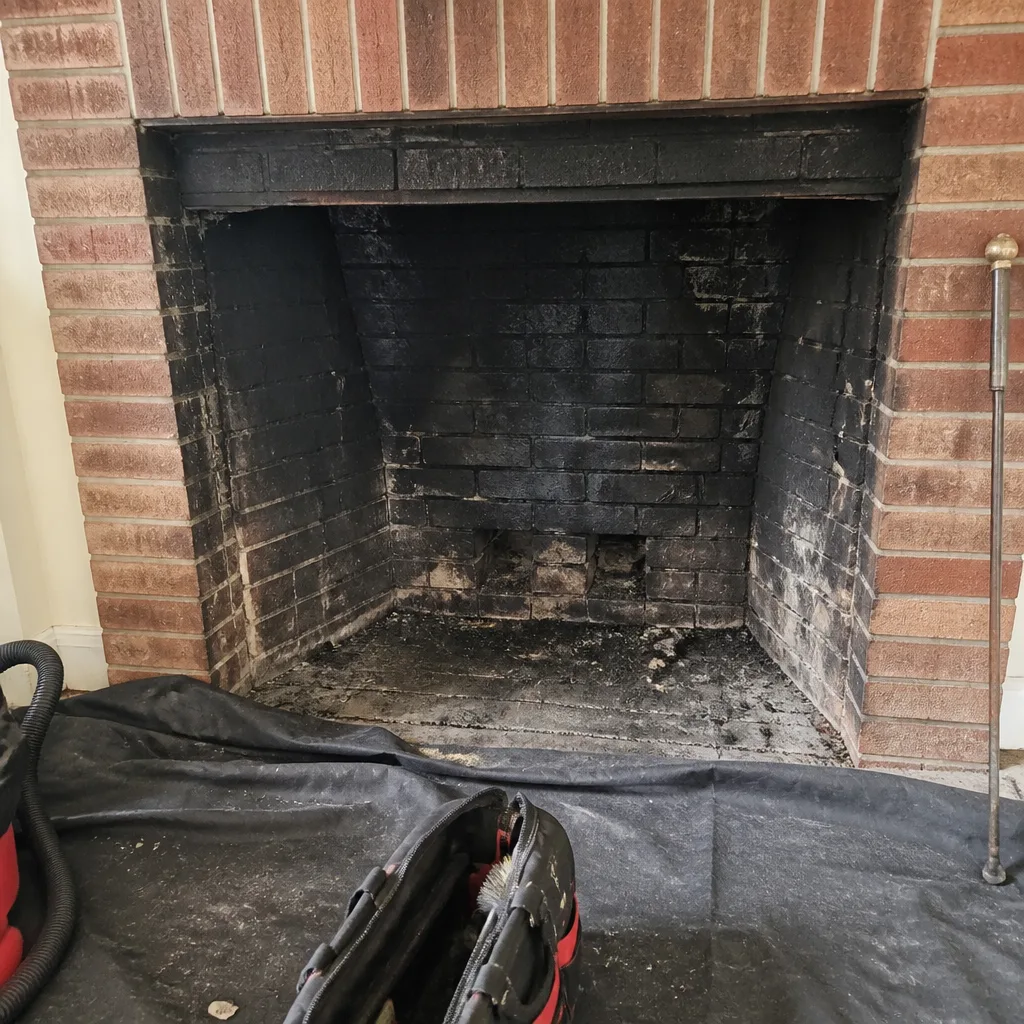 Before
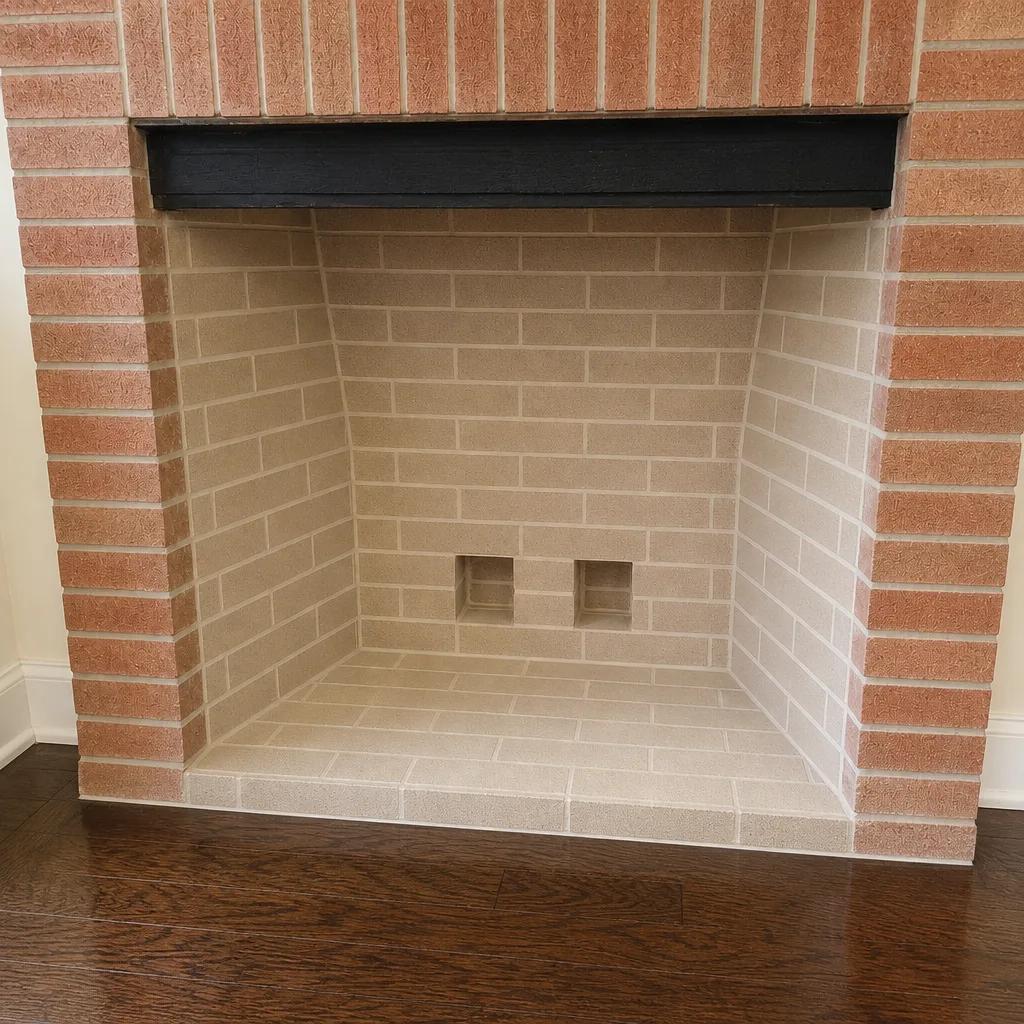 After
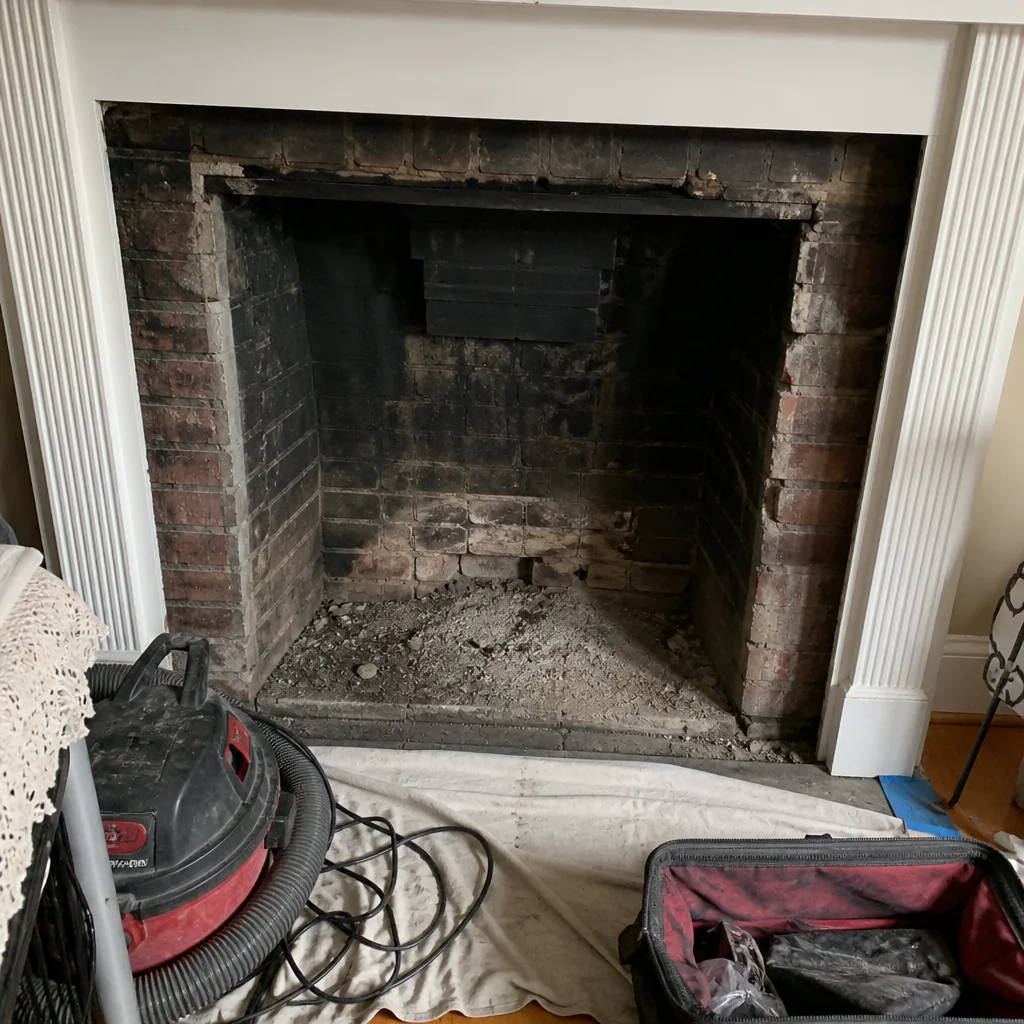 Before
 After
 Before
 After