
Last updated November 25, 2026
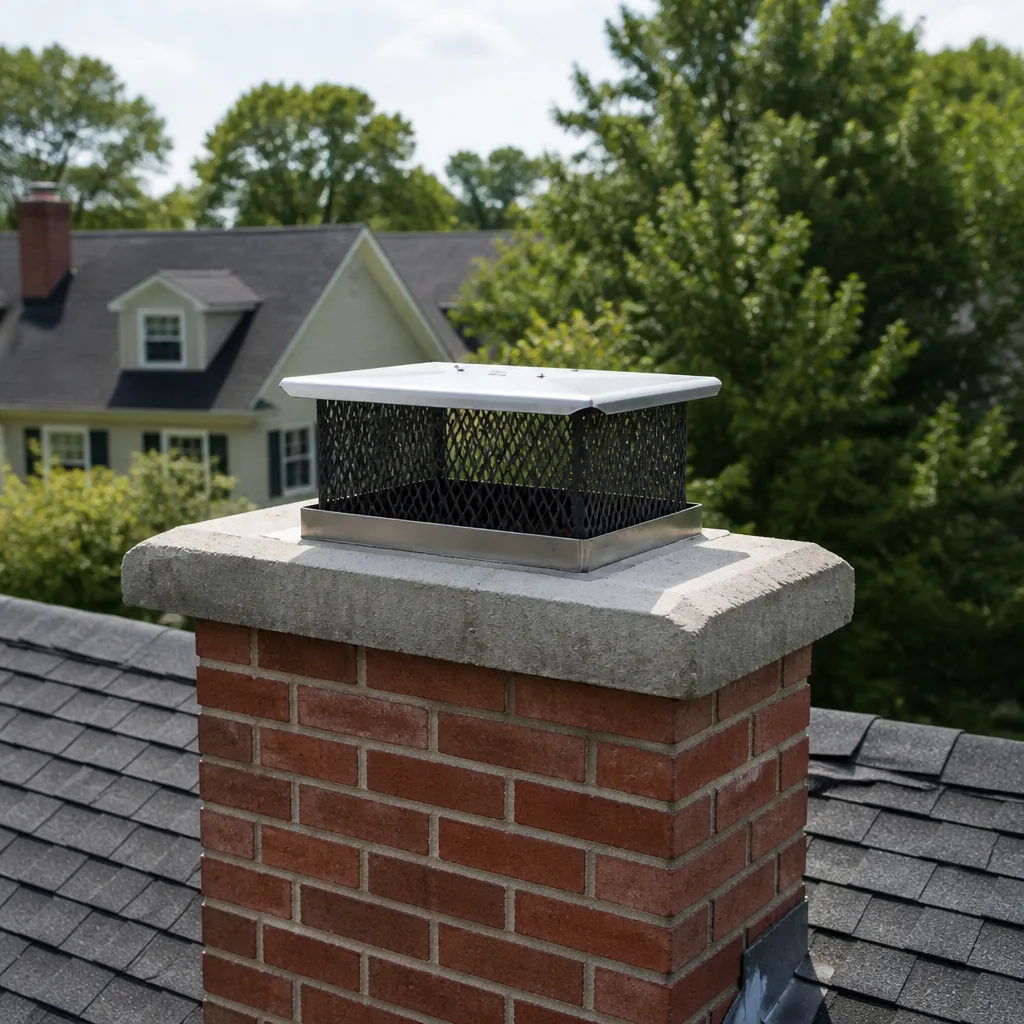 Sweep & inspection
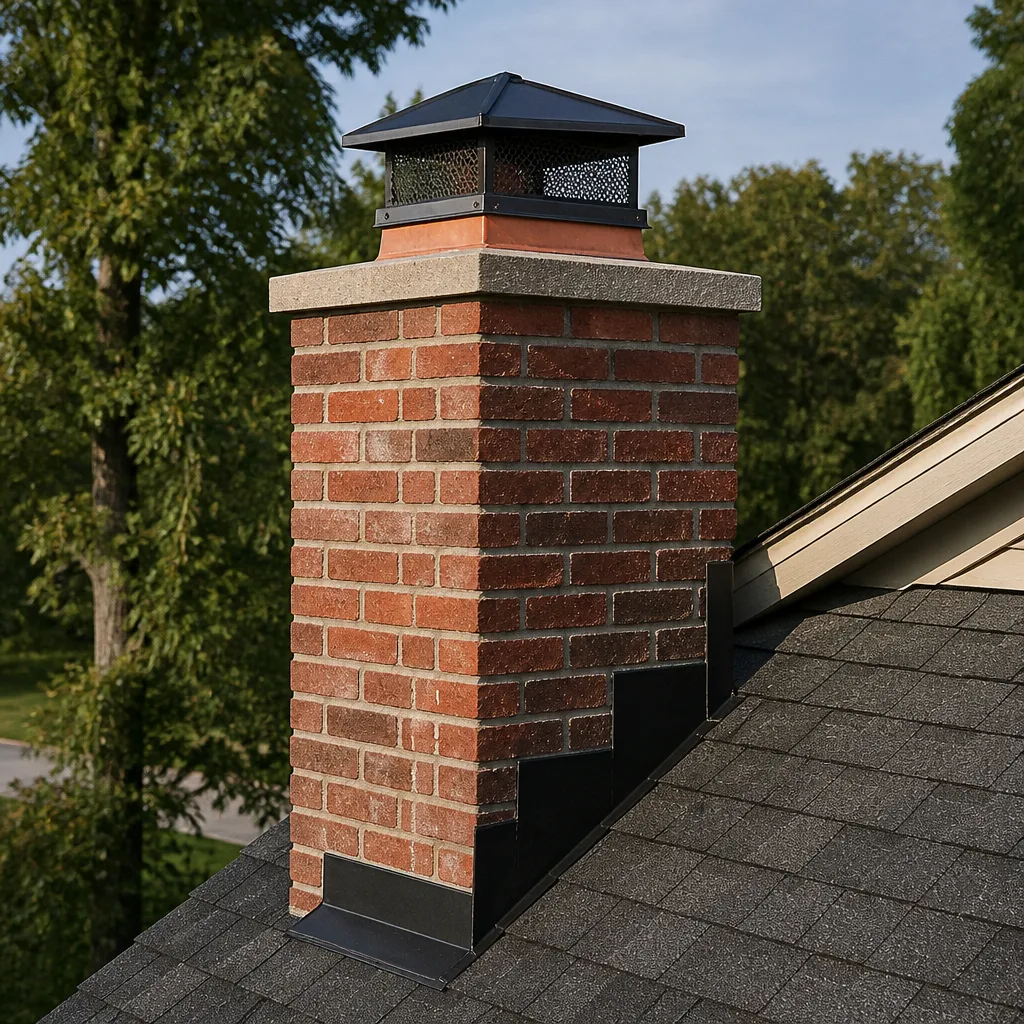 Caps & crowns
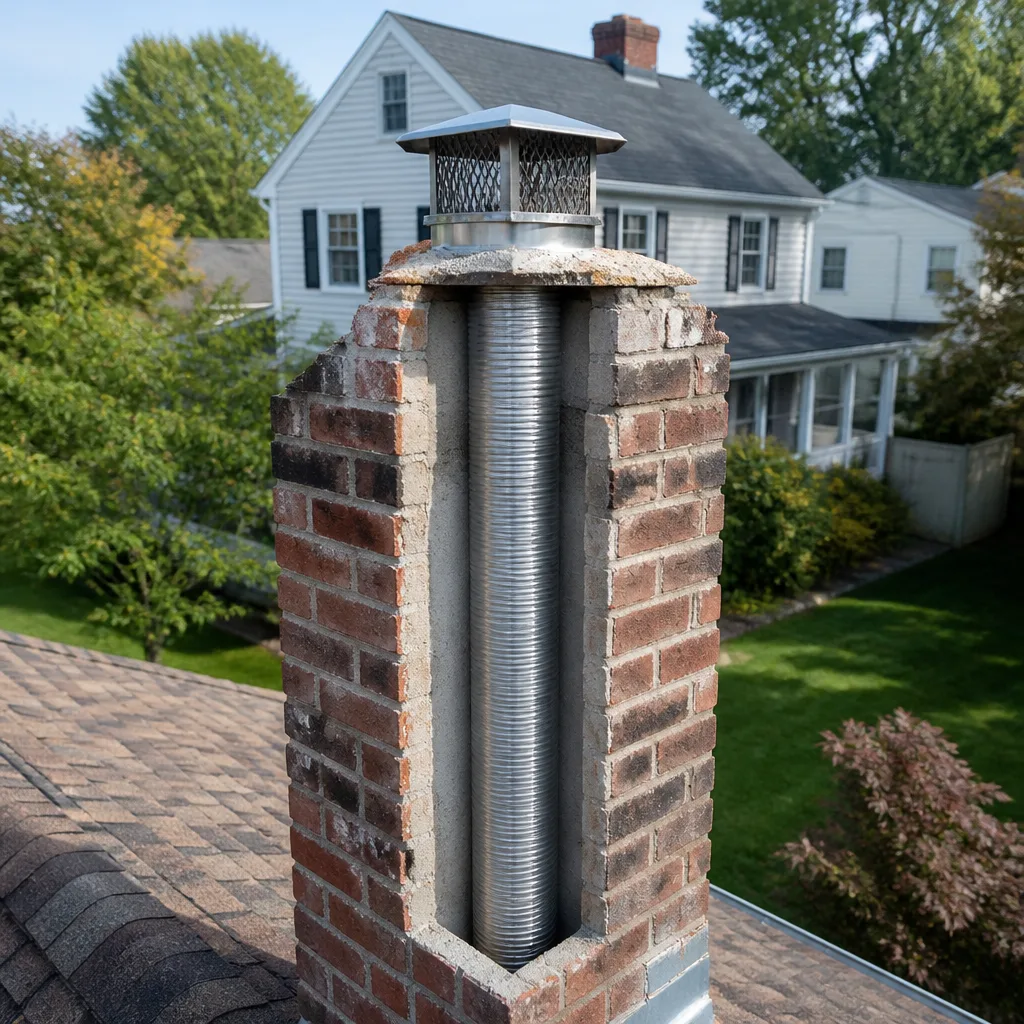 Flue relining
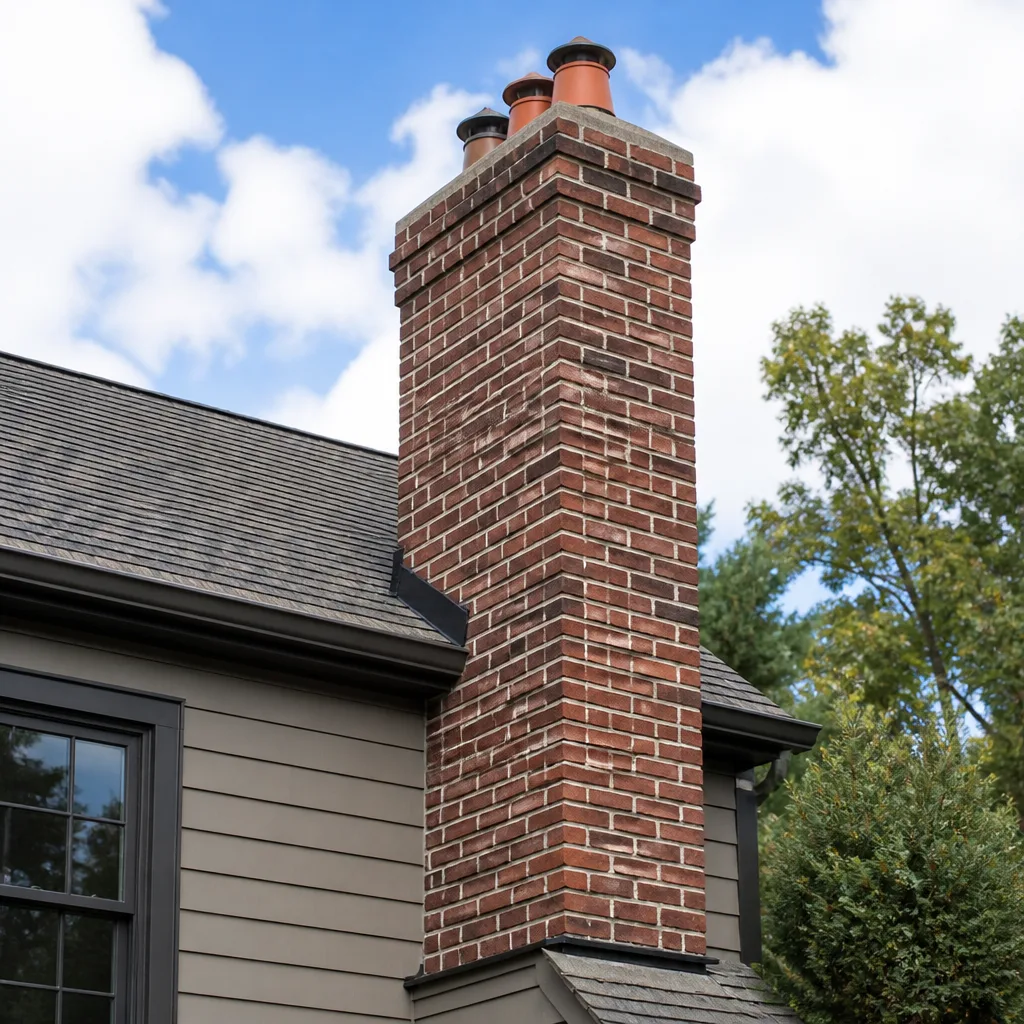 Masonry repair
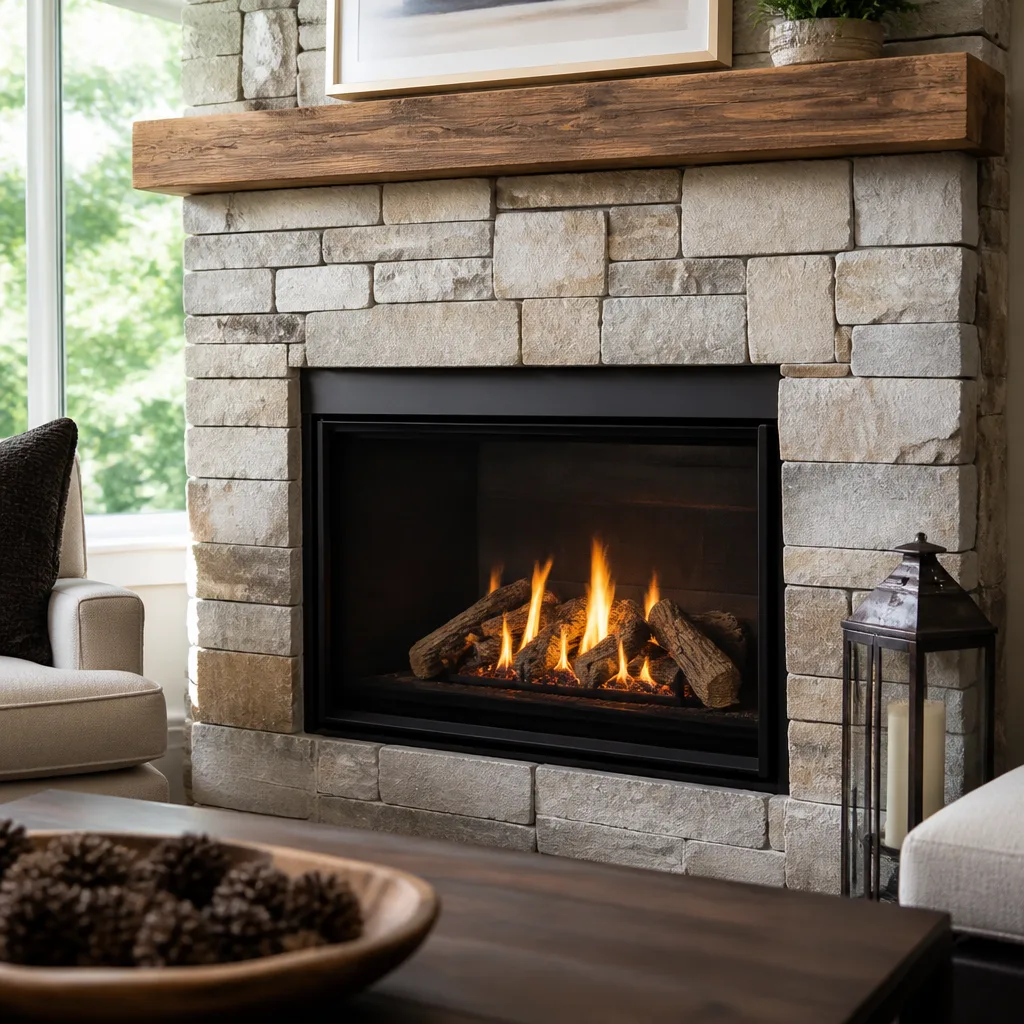 Gas fireplace service
Level 1 sweep and inspection to the NFPA 211 annual standard - flue, crown, cap, and flashing checked and photographed
Chimney sweep logs do not sweep chimneys. They loosen some creosote - which then falls where a brush and vacuum still have to collect it.
DIY vs Professional Chimney Cleaning: The Roslindale Homeowner’s Decision Guide
The chimney brush kit at the hardware store isn’t the problem. The problem is that it was designed for a simple, modern flue, and most Roslindale chimneys haven’t been simple since they were built. Roslindale’s housing stock runs from late-1800s Victorians near the Arnold Arboretum to mid-century capes out toward Bellevue Hill, and the flues inside those houses bend, offset, and share space with more than one appliance. A rigid brush on a homeowner’s poles assumes a straight run. This guide shows you how to test whether your chimney meets that assumption, how to read the creosote before you start, and when a professional chimney sweep is the only path that actually finishes the job.
Styles & brands we work with
- Sweep & inspection
- Caps & crowns
- Flue relining
- Masonry repair
- Gas fireplace service
Quick Answer
DIY chimney cleaning is reasonable only when your flue is straight, has a single appliance connection, and shows light first-degree creosote with no visible cracks or gaps in the liner. Nearly everything else in Roslindale needs a professional sweep, because brush cleaning alone can’t assess liner integrity, crown condition, or the smoke chamber, and those matter to safety as much as cleanliness does. If you can’t see the full length of your flue, you can’t safely decide from the ground.
Table of Contents
- The flue geometry test: does your chimney qualify for DIY?
- Reading creosote stages before you start
- What a DIY cleaning cannot assess
- The real cost: DIY kit vs professional sweep
- When DIY is a reasonable interim step
- When DIY delays a problem that gets more expensive
- Roslindale-specific conditions that change the math
- Common mistakes to avoid
- When to call a professional
- Frequently asked questions
The Flue Geometry Test: Does Your Chimney Qualify for DIY?
A chimney brush works by scraping the walls of a straight, uniform flue. The moment the flue changes direction or diameter, the brush stops contacting the walls it’s supposed to clean. That’s not a technique problem you can solve with better wrist action. It’s a physical limit.
Before you buy anything, run this test on your own chimney:
- Look up the flue from the firebox with a bright light. If you can see clear sky, you have a straight flue. If the run disappears into shadow or a bend, you don’t.
- Count the appliance connections. A single wood fireplace is one connection. A furnace, water heater, or older boiler sharing the same chimney means multiple thimbles entering the flue, and each one is a place a brush can catch or bypass.
- Check the smoke chamber. The smoke chamber sits directly above the damper. In older Roslindale homes it’s often corbeled, meaning the masonry steps inward in a funnel. A straight brush doesn’t clean corbeled surfaces, and a rotary system is needed to reach them.
- Note any offset. An offset is a jog in the flue where the chimney was rerouted to clear a roof line or adjoining wall. Offset flues require flexible rods and a brush sized to the narrowest point in the run.
If your chimney passes all four checks, you’ve joined a small group. If it fails any one of them, a homeowner’s brush kit will clean part of the flue and leave the rest untouched, and you’ll have no way to know which part you missed. We work exclusively on chimneys, and in our experience, the offset flue is the single most common reason a DIY cleaning ends up incomplete rather than wrong. The deposit is still there, just higher up than the brush could reach.
Reading Creosote Stages Before You Start
Creosote is the residue left when wood smoke cools against the flue walls. It builds in recognizable stages, and each stage needs a different tool. The stage determines whether DIY is even worth starting.
- First-degree creosote is flaky, dusty, and light gray or black. It brushes off with ordinary bristles. This is the only stage a homeowner kit is designed for.
- Second-degree creosote is a crusty, hardened layer that clings to the flue. A standard brush skips over it. Removal needs chemical treatment or a rotary system with a spinning head.
- Third-degree creosote is glazed and shiny, with the appearance of hardened tar. It’s dense, it’s difficult to remove, and it burns hot if it ignites. Rotary systems and chemical methods are both required, and this is never a DIY job.
How do you tell which stage you’re looking at? Shine a light up the flue and look at the texture of the wall coating. If it flakes when you scrape it with a putty knife, it’s first-degree. If it’s crusty and doesn’t budge, it’s second. If it’s glassy and dark, it’s third, and you should stop and call a professional.
Roslindale’s long heating season matters here. A wood-burning fireplace used regularly through a New England winter accumulates deposits faster than one used casually, and a chimney that hasn’t been swept in several seasons is likely to show second-degree or worse when you finally look. Glazed third-degree creosote is the condition behind most chimney fires, which is why the stage check comes before the brush, not after.
What a DIY Cleaning Cannot Assess
Here’s the part that catches people. A clean flue is not the same as a safe flue. Cleaning removes deposit; it tells you nothing about the components around the deposit, and several of those components determine whether your chimney vents correctly and whether water is getting in.
A professional sweep with a camera gives you eyes on the full system. A homeowner with a brush from below sees only what the firebox light reaches. Here’s what’s outside that view:
- Liner integrity. Clay tile liners crack with heat cycling. Stainless liners can develop seam or joint failures. A cracked liner lets heat and carbon monoxide reach the framing around the chimney, and you cannot see a crack from the firebox with a flashlight.
- Cap and crown condition. The cap keeps animals and rain out of the flue. The crown is the concrete surface at the top of the chimney that sheds water away from the masonry. A cracked crown is the leading cause of water damage inside a chimney, and it’s invisible from the ground floor.
- Smoke chamber parging. The corbeled surfaces above the damper should be smoothly parged. Rough or deteriorated parging traps creosote and slows the draft, and it’s a known fire hazard area.
- Flashing seal. The flashing is the metal where the chimney meets the roof. Failed flashing lets water into the attic and roofline, and it’s a roof-level inspection.
We install and service chimney cap & crown work because those two components are the most common entry points for water damage in Roslindale’s older masonry chimneys. None of this is assessable from inside the firebox with a brush in your hand. An inspection with a camera gives you a photo record of what’s actually there, so you’re not taking anyone’s word for it.
The Real Cost: DIY Kit vs Professional Sweep
The homeowner’s kit looks cheap on the shelf. Add up the full picture and the gap narrows fast, and the professional sweep includes something the kit never does: a documented inspection of the whole system.
| Item | Typical DIY approach | Typical professional sweep |
|---|---|---|
| Brush and rods | One-time purchase; sizing is generic, not matched to your flue | Included |
| Drop cloths and containment | You supply and launder them; soot spreads easily | Included |
| Disposal of soot and creosote | Bagging and hauling on your end | Included |
| Inspection of liner, cap, crown, smoke chamber, flashing | Not performed | Camera inspection with photo report included |
| Flat-price sweep agreed before booking | Not applicable | Yes; the written estimate sets the final price |
| Follow-up if something is found | You start over with a phone call | One company handles sweep, inspection, and repair |
The honest comparison isn’t the price of a brush versus the price of a sweep. It’s the price of a brush plus the cost of discovering, six months later, that a cracked crown has been letting water into the masonry all winter. Most Roslindale homeowners we talk to want one number they can agree to before anyone shows up, which is why we quote a flat-price sweep ahead of booking and set the final price by the written estimate.
When DIY Is a Reasonable Interim Step
There are real situations where brushing your own flue is the sensible move. It’s a narrow list, but it exists, and pretending otherwise would be dishonest.
- Your flue passed the geometry test. Straight run, single appliance, no offset, smoke chamber visible and reachable.
- The deposit is clearly first-degree. Flaky, dusty, scrapes off easily. No crust, no glaze.
- You’re between professional sweeps and the flue is lightly used. A fireplace used occasionally through the season may only need a light touch mid-year before the annual sweep.
- You already have a current inspection on file. If a professional has recently confirmed the liner, cap, crown, and smoke chamber are sound, a DIY brush between those inspections doesn’t hide anything.
- You’re comfortable on a ladder or working from the firebox. If reaching the flue means climbing onto a steep Roslindale roof, that’s a fall hazard and not a DIY scenario.
In those cases, brushing is a reasonable holding pattern. It doesn’t replace the annual inspection, and it doesn’t tell you anything about the liner or the crown. Think of it as maintenance between check-ups, not a substitute for them.
When DIY Delays a Problem That Gets More Expensive
The expensive failures in chimney work are almost never the fire itself. They’re the slow ones: water getting into masonry through a failed crown, a cracked liner spreading heat into framing, a smoke chamber that’s been slowly deteriorating. Each of those gets worse the longer it goes unnoticed, and each is invisible from the firebox floor.
Here’s the pattern. A homeowner sweeps the flue, sees a clean firebox, and concludes the chimney is fine. The brush did its job. But a cracked crown above the roofline keeps funneling rain into the masonry through the winter, the mortar softens, and by the time water stains show up on a ceiling, the repair scope has grown from a crown rebuild to structural masonry work. A sweep that included an inspection would have flagged the crown the first time.
The same logic applies to liners. A clay tile liner with a hairline crack passes a visual check from below and fails a camera inspection. Heat and combustion gases find the crack, and a repair that starts as a spot fix becomes a relining project. HeatShield resurfacing can restore a compromised liner without full replacement in eligible situations, which is exactly the kind of decision that’s only available when the problem is caught early. Catches that depend on seeing the liner, which a brush never does.
Roslindale-Specific Conditions That Change the Math
Roslindale’s housing stock tilts the DIY-versus-professional question more toward professional than a newer suburb would. The reasons are structural, not marketing.
- Older chimneys, deferred maintenance. Many homes around Roslindale Square and the Washington Street corridor have chimneys that were built for coal and later converted to wood or gas, often without a full liner upgrade. Those conversions leave corbeled smoke chambers and mismatched flue sizes that a generic brush handles badly.
- New England freeze-thaw cycles. Water gets into masonry, freezes, expands, and spalls the brick face. A cracked crown accelerates this, and the freeze-thaw cycle on the Roslindale side of the city is relentless from late fall through early spring. Cap and crown work isn’t cosmetic here; it’s the difference between a chimney that survives a winter and one that sheds its face.
- Mixed heating setups. Plenty of Roslindale homes run a wood fireplace alongside a gas furnace or water heater, sometimes sharing a chimney. Multiple appliance connections make brush cleaning riskier and less complete, since the brush can pass a thimble without cleaning around it.
- Steep roofs and tall stacks. The Victorians and triple-deckers near the Arnold Arboretum often have chimneys that are genuinely unsafe to access from a homeowner’s ladder. That alone rules out top-down DIY cleaning for a large share of Roslindale homes.
The takeaway is that Roslindale’s climate and architecture raise the stakes on what a cleaning covers. A straight, single-appliance, lightly used flue in a newer part of town is a fair DIY candidate. An offset flue under a corbeled smoke chamber in a converted 1900s house is not, and no brush kit changes that.
Common Mistakes to Avoid
- Buying a brush kit before testing flue geometry. Most homeowners buy first and inspect second, which is backwards. Run the geometry test from the firebox with a light before you spend anything.
- Brushing third-degree creosote. Glazed creosote won’t come off with bristles, and scraping at it with the wrong tool can ignite it. That’s a professional rotary and chemical job, not a weekend project.
- Cleaning the flue and calling the chimney done. A clean flue with a cracked crown or failed flashing is still a chimney with a problem. Cleaning is one task; inspection is the other.
- Working from a ladder on a steep Roslindale roof. Victorian-era homes near the Arboretum and tall triple-deckers have roof pitches that make top-down cleaning a fall risk. There’s no brush worth a fall.
- Skipping the drop cloths and sealing the firebox opening. Soot travels. A DIY cleaning without proper containment dirties the whole room, and soot cleanup is harder than the sweep itself.
- Ignoring a second appliance connection. A brush can catch on a thimble entering the flue or pass right by it. Multiple connections mean multiple places a DIY cleaning can miss.
- Treating a clean firebox as proof of safety. The firebox is the part you can see. The liner, crown, cap, and smoke chamber are the parts that fail, and none of them are visible from below.
When to Call a Professional
Call a professional if your flue is offset, if more than one appliance connects to the chimney, if the smoke chamber is corbeled, or if you see crusty or glazed creosote rather than flaky deposit. Call immediately if you smell smoke in the house when the fireplace isn’t lit, if you’ve had a chimney fire, or if water staining appears on the ceiling near the chimney. And call if the chimney sits on a steep roof you’re not comfortable working from, because no DIY brush kit is worth a climb up a Roslindale Victorian in January.
Chimney Sweep Roslindale offers free estimates in Roslindale. Call (844) 420-1248. We answer 24/7. Fast dispatch from 7am to 7pm, Sunday through Friday. A sweep includes a camera inspection and a photo report, so you can see what we see before agreeing to anything. Nothing gets recommended without evidence you can check for yourself, and if work can safely wait until next season, we’ll say so. We work exclusively on chimneys, and one company covers the sweep, the inspection, the fireplace repair, the cap and crown, and any structural chimney repair, which means one point of accountability from the firebox to the cap.
Frequently Asked Questions
You can if your flue is straight, has a single appliance connection, and shows only first-degree flaky creosote. Roslindale’s older housing stock often fails those conditions because of offset flues, corbeled smoke chambers, or multi-appliance chimneys, in which case a professional sweep is the only path to a complete clean. Call (844) 420-1248 for an exact quote; estimates are free.
Once a year for a wood-burning fireplace is the standard recommendation, with more frequent sweeps if you burn heavily through the heating season. A gas fireplace still needs an annual inspection even though it produces far less creosote. Call (844) 420-1248 to book a sweep and inspection; estimates are free.
A sweep is quoted flat-rate before you book, and the written estimate sets the final price, which is why we don’t quote a number over the phone. The estimate is free and includes a camera inspection, so you know what you’re agreeing to before any work starts. Call (844) 420-1248 for an exact quote.
Creosote builds in layers, and third-degree glazed creosote is the fuel behind chimney fires. Separately, a skipped sweep also means a skipped inspection, so a cracked crown or liner can go unnoticed for a season or more and turn a small repair into a large one. Call (844) 420-1248 for a sweep with inspection; estimates are free.
Only if a camera inspection shows the existing liner is cracked, failing at a joint, or undersized for the appliance. HeatShield resurfacing can restore a compromised liner without a full replacement in eligible situations. We won’t recommend either without showing you the camera evidence first. Call (844) 420-1248 for an inspection; estimates are free.
Usually not as a replacement for a professional sweep, because older Roslindale chimneys tend to have offset flues and corbeled smoke chambers a generic brush can’t fully clean. It can serve as an interim touch-up between annual sweeps on a flue that’s already been inspected and cleared. Call (844) 420-1248 to find out where your chimney actually stands; estimates are free.
The Bottom Line
DIY chimney cleaning is a real option for a narrow slice of Roslindale homes: straight flue, single appliance, light first-degree creosote, and an existing inspection on file. Outside that slice, the brush kit cleans the easy part and leaves the rest, and it never tells you anything about the liner, cap, crown, smoke chamber, or flashing, which are where the expensive failures start. The comparison that matters isn’t the cost of a brush versus a sweep. It’s whether the cleaning you do includes an assessment of the whole system. When it doesn’t, one sweep with a camera inspection covers both, and that’s the job worth booking.
Call (844) 420-1248 for a free estimate. We answer 24/7. Fast dispatch from 7am to 7pm, Sunday through Friday. One company, one inspection, from the firebox to the cap.
Written by the team at Chimney Sweep Roslindale.
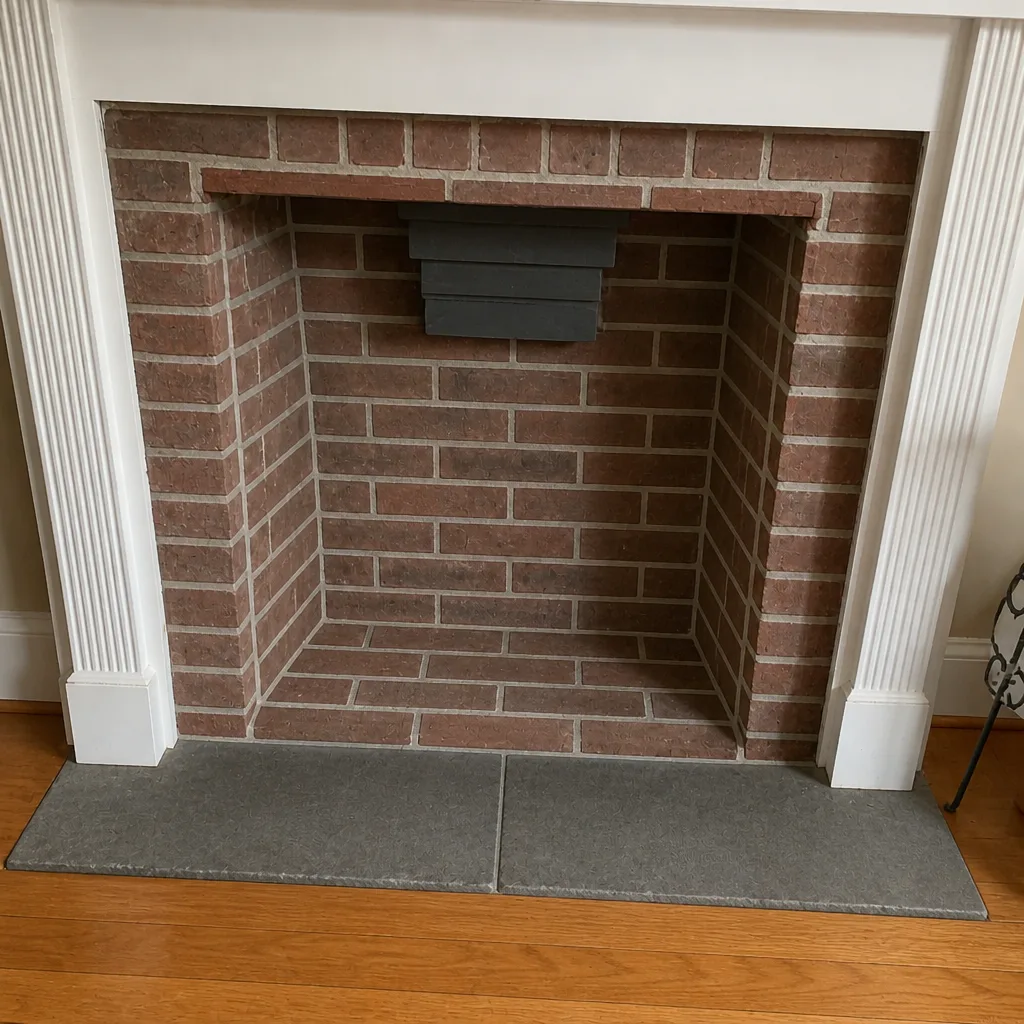
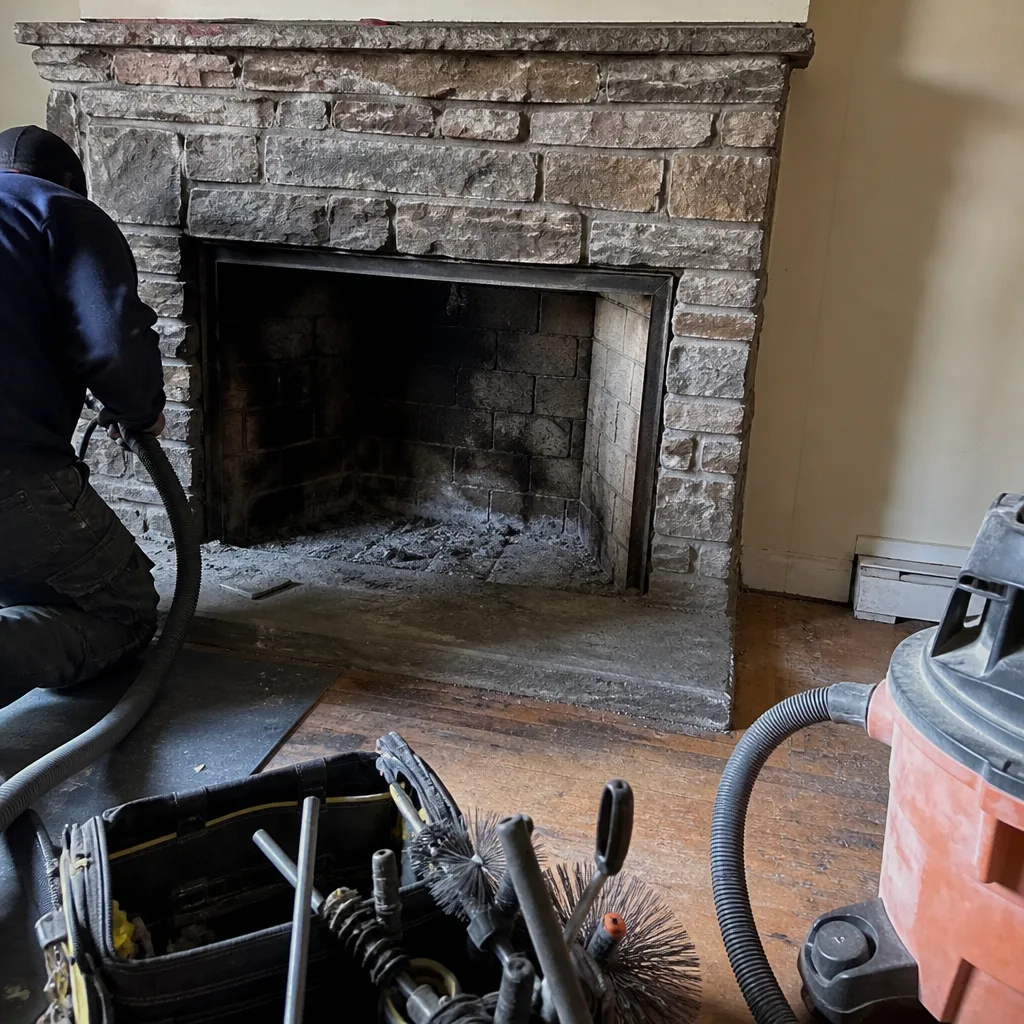
See the difference
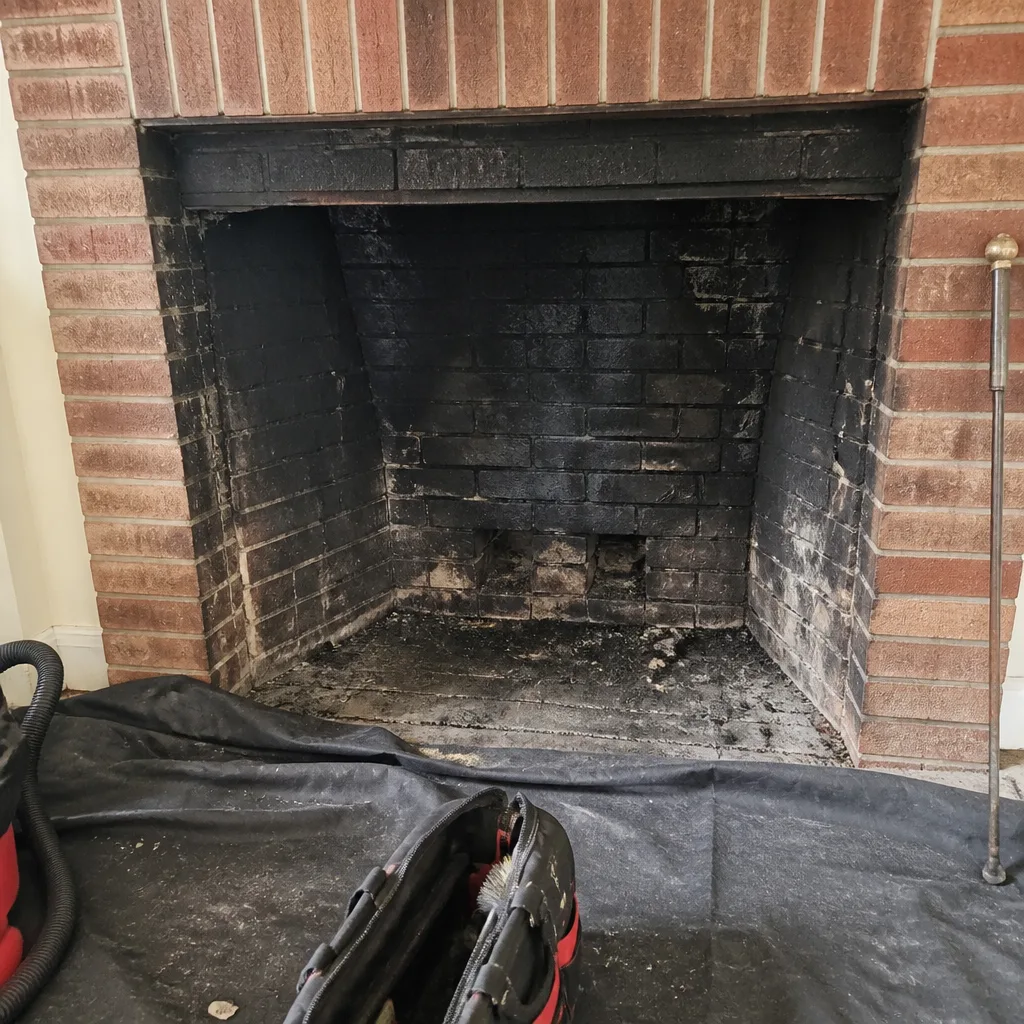 Before
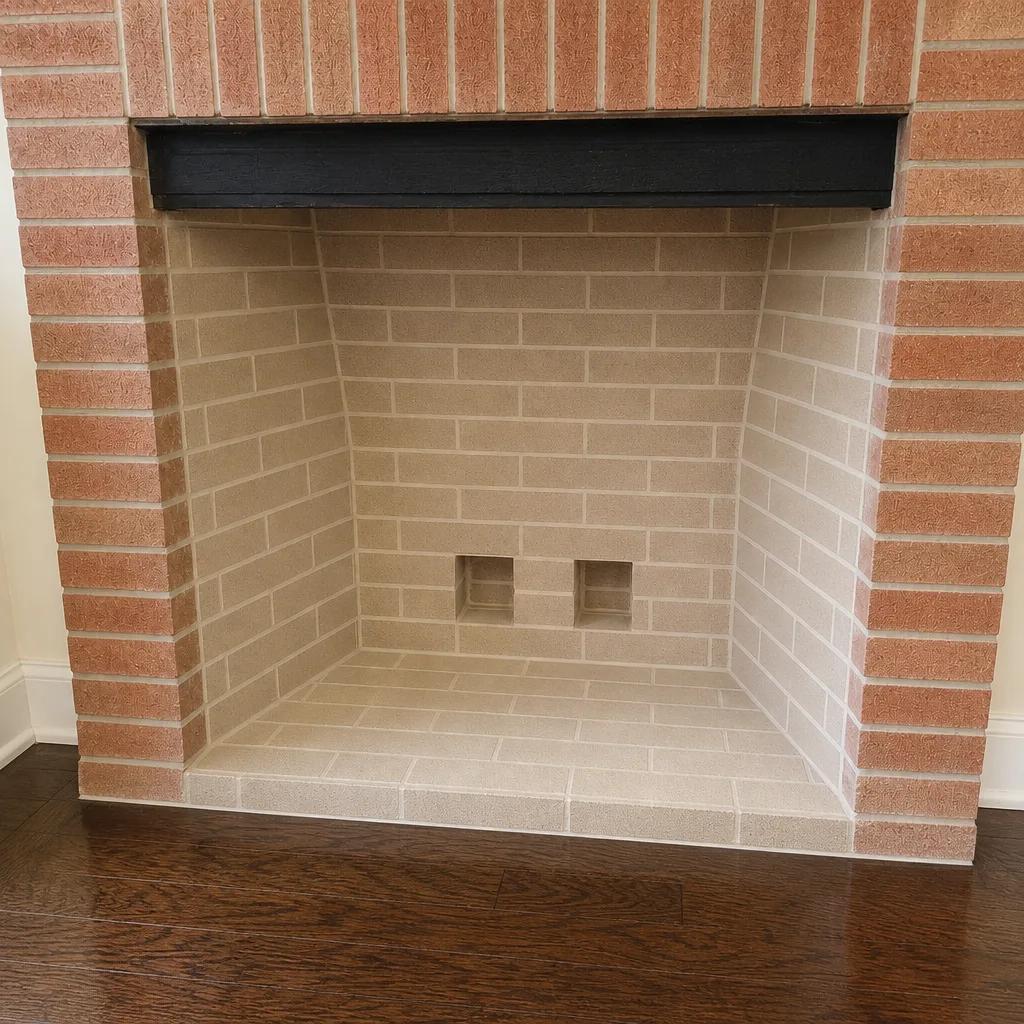 After
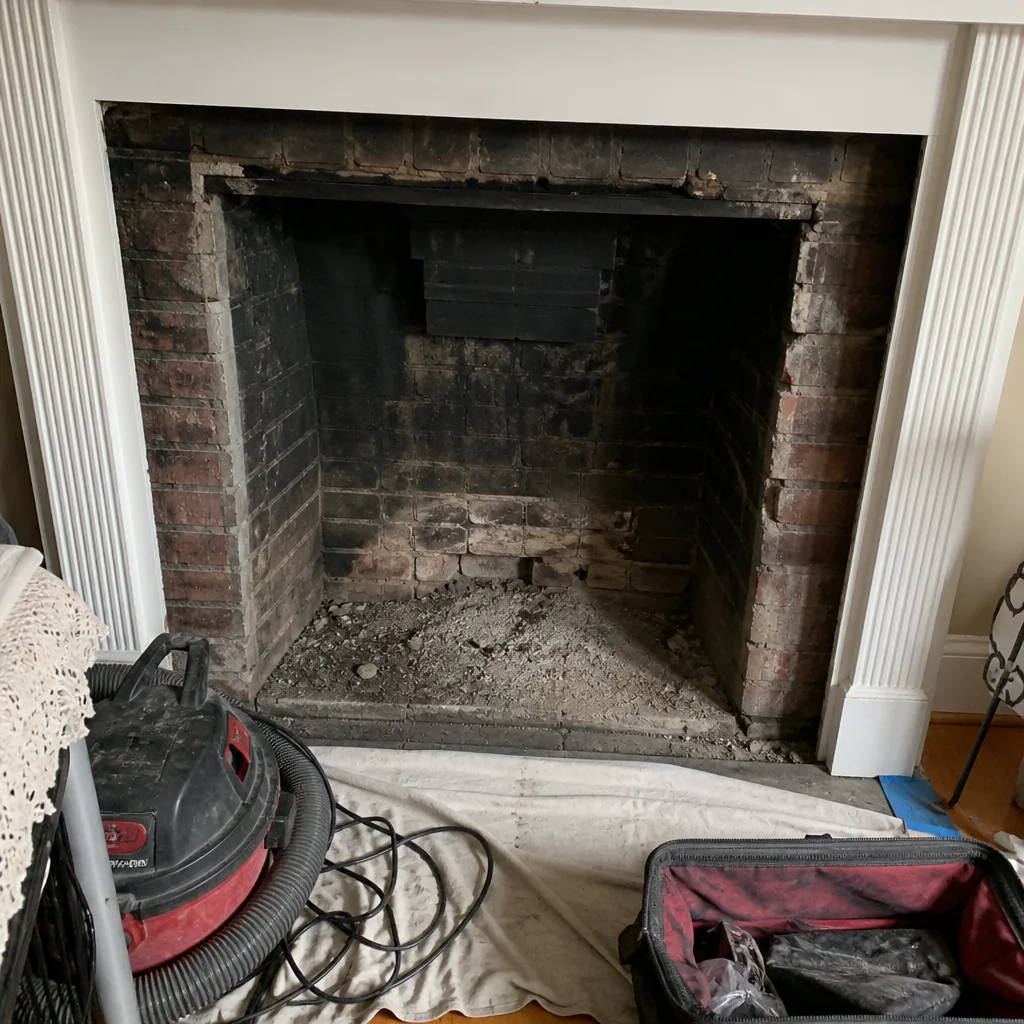 Before
 After
 Before
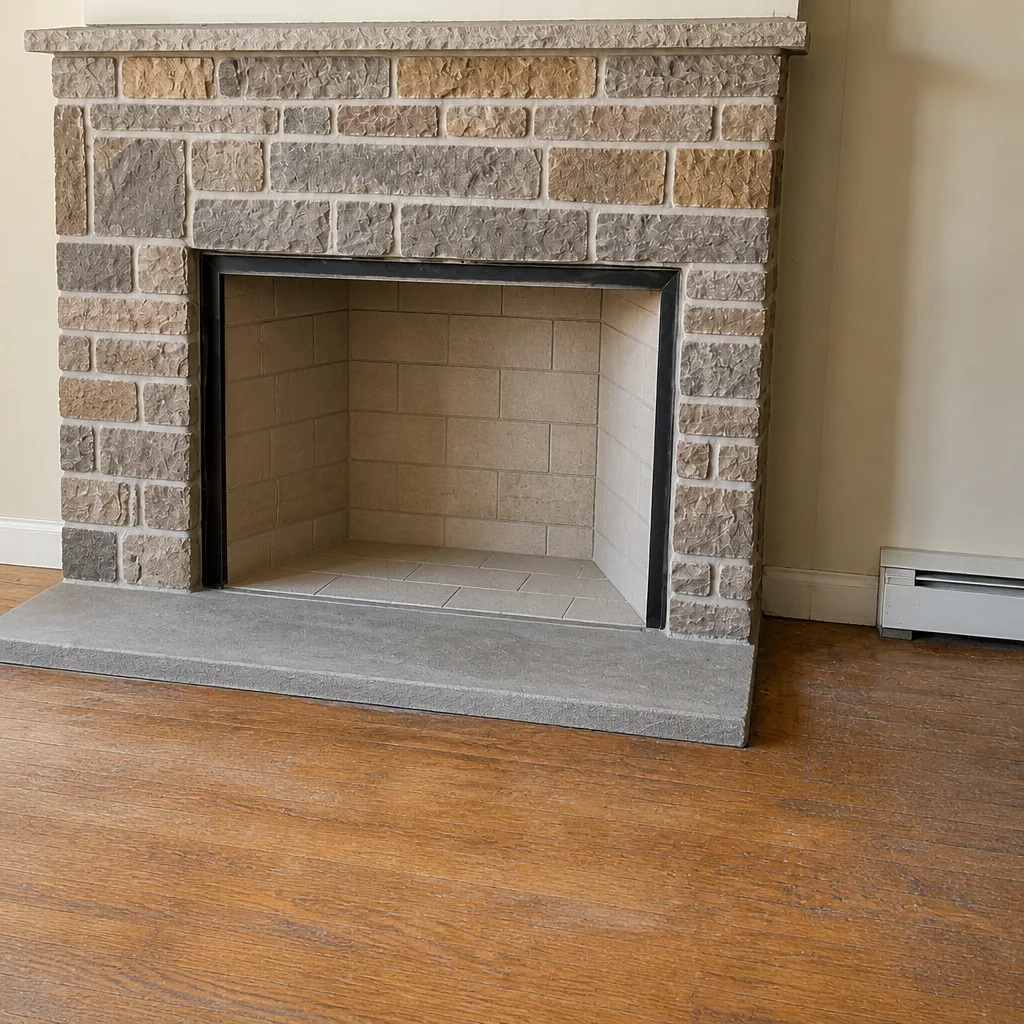 After