
Last updated November 25, 2026
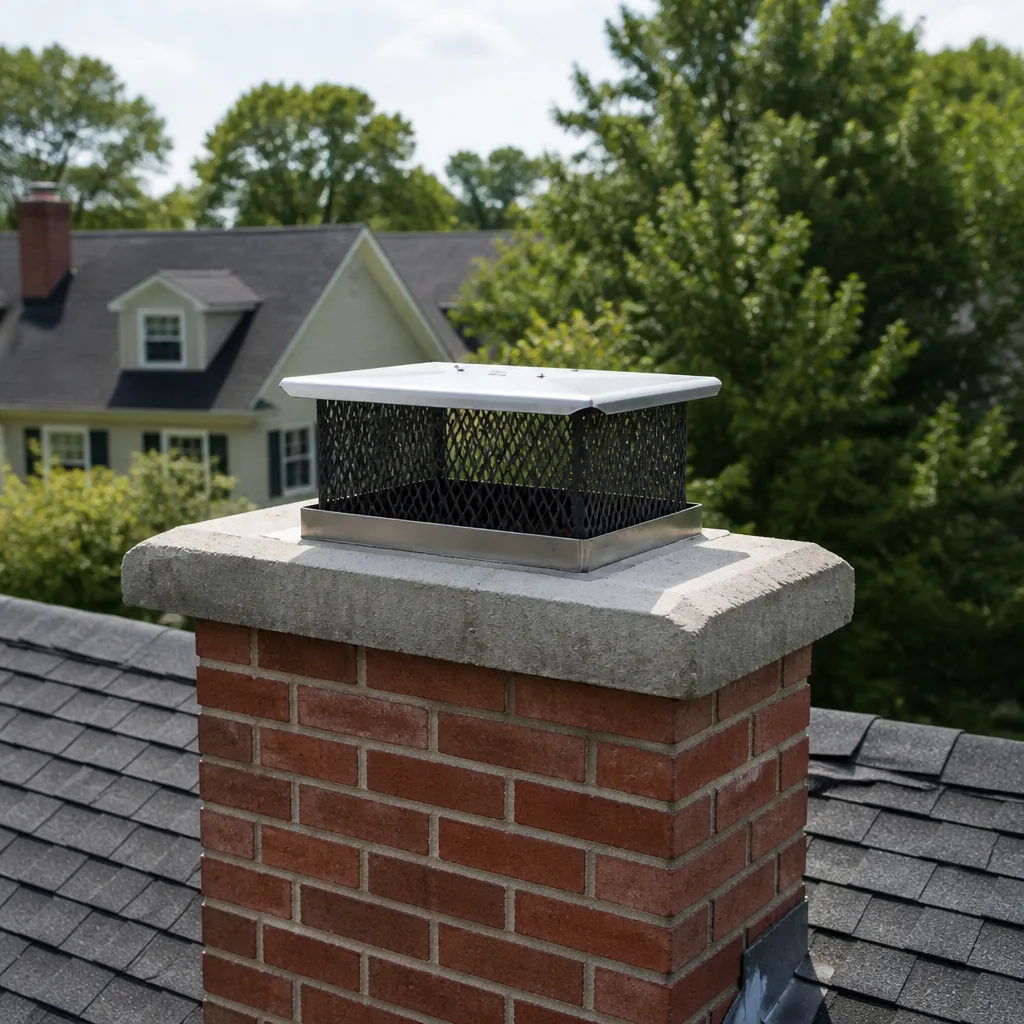 Sweep & inspection
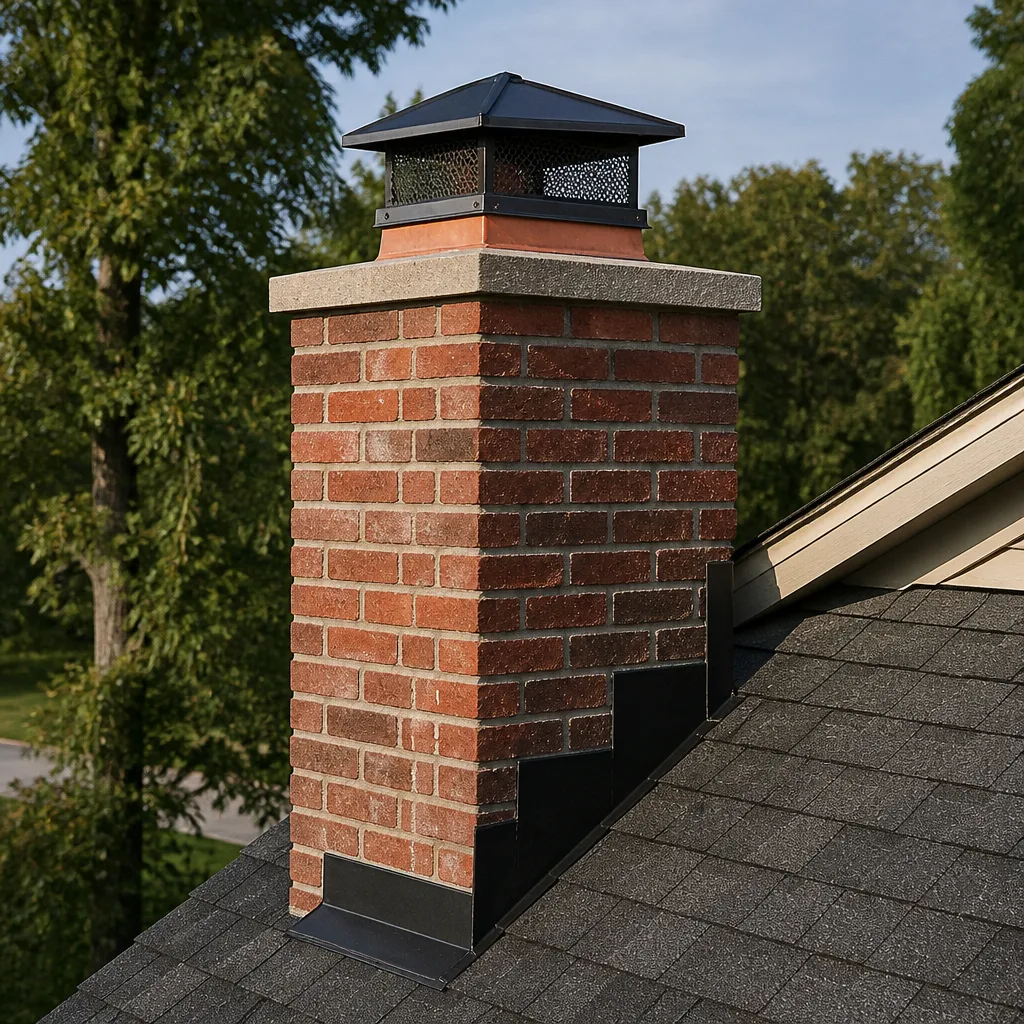 Caps & crowns
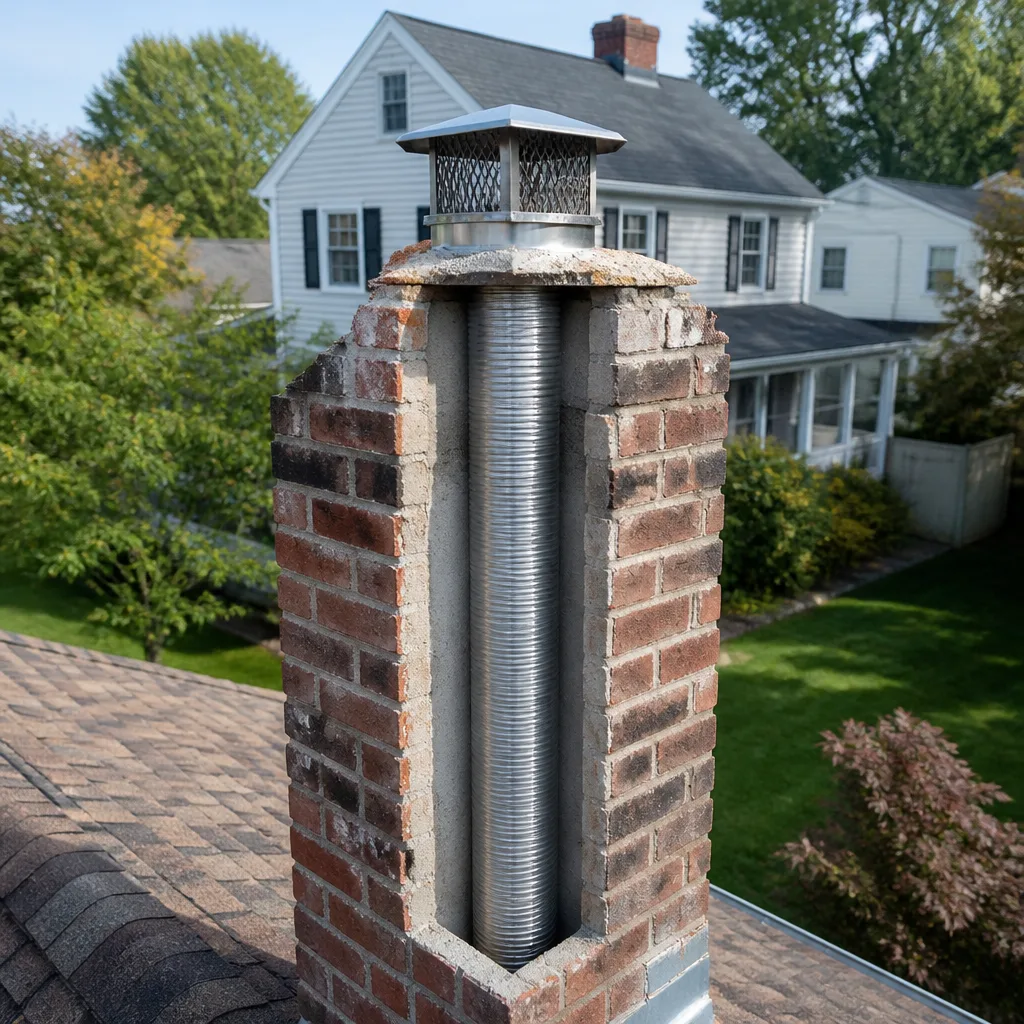 Flue relining
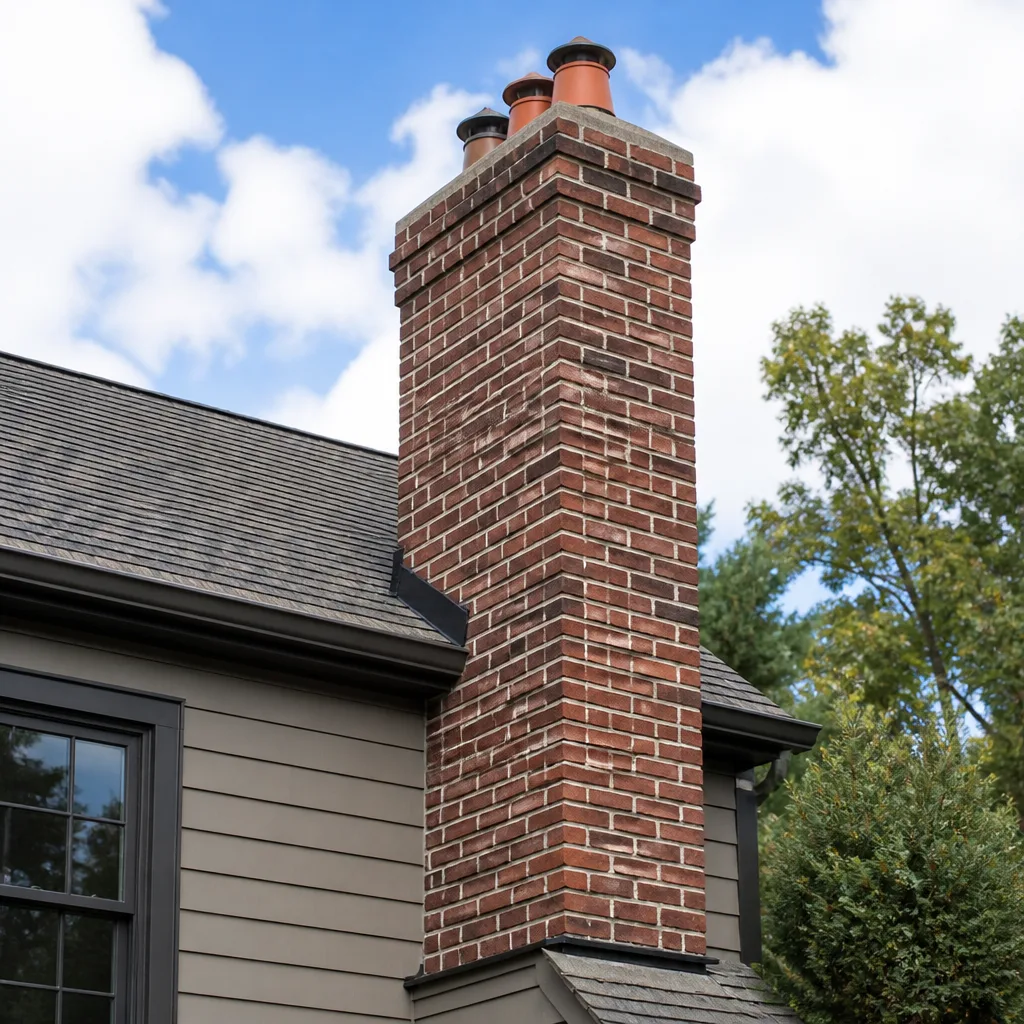 Masonry repair
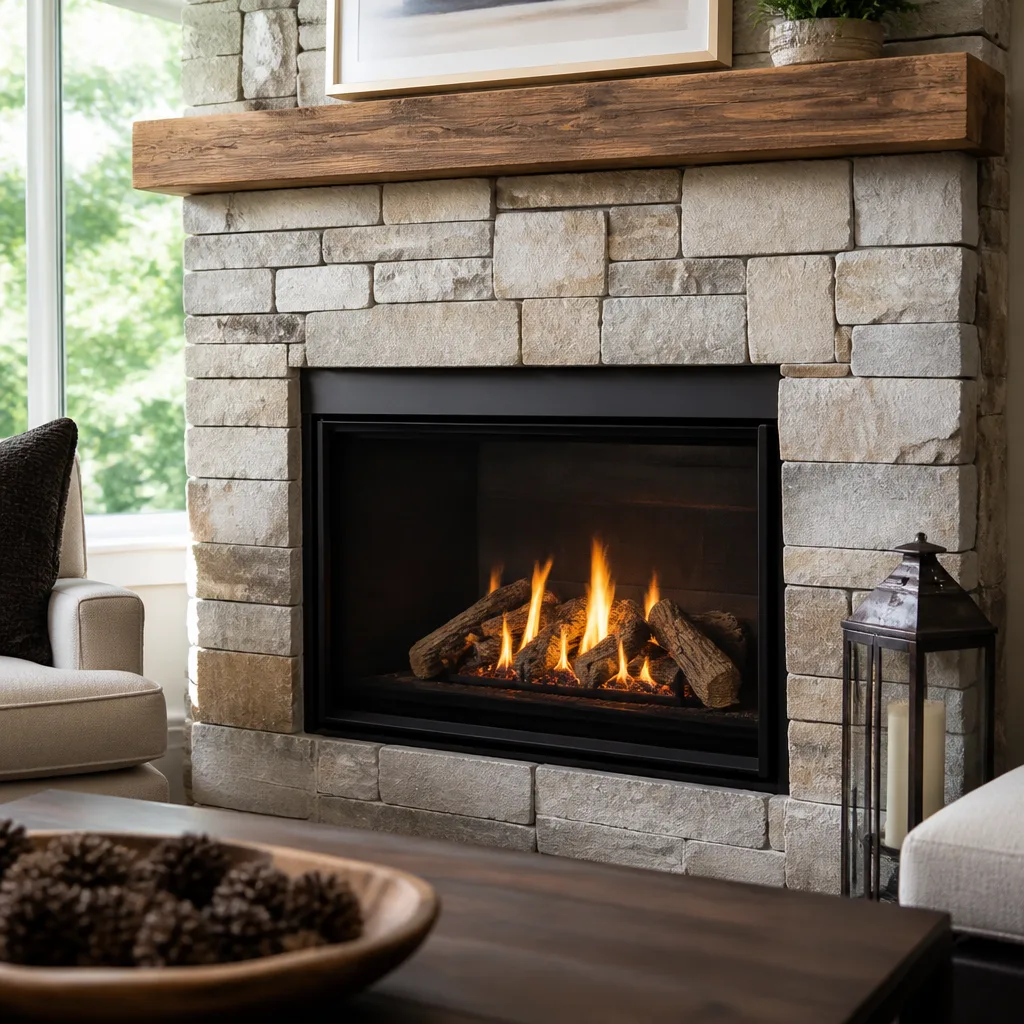 Gas fireplace service
Level 1 sweep and inspection to the NFPA 211 annual standard - flue, crown, cap, and flashing checked and photographed
Chimney sweep logs do not sweep chimneys. They loosen some creosote - which then falls where a brush and vacuum still have to collect it.
The Complete Guide to Chimney Cleaning in Roslindale
Most homeowners think of a chimney sweep as a once-a-year errand: someone comes out, runs a brush through the flue, leaves a receipt, and that’s that. But the flue your sweep cleaned last year isn’t the same flue they’ll find this year. Seasonal moisture cycling, nesting activity, and Boston’s freeze-thaw patterns change what’s inside every single season. In Roslindale, where aging triple-deckers, wood-frame colonials, and converted oil-to-gas systems all sit side by side, cleaning is really a diagnostic process. What the sweep finds tells you more about your chimney’s health than any checklist. This guide explains what a proper cleaning actually involves, how to read what your sweep reports back, and when a finding is urgent rather than routine.
Quick Answer
A chimney cleaning in Roslindale is a full inspection of the flue, firebox, damper, and venting system, not just a brush-down of soot. A qualified sweep should perform at least a Level 1 NFPA 211 inspection during every cleaning, checking for creosote buildup, cracked flue tiles, and draft problems that a visual pass from the firebox cannot reveal. If your chimney has never been camera-inspected or your home is older than a few decades, a Level 2 inspection with video is the standard of care before any repairs are recommended.
Styles & brands we work with
- Sweep & inspection
- Caps & crowns
- Flue relining
- Masonry repair
- Gas fireplace service
Table of Contents
- Why Roslindale’s Housing Stock Changes What a Sweep Finds
- Freeze-Thaw Damage and Mortar Joints Inside the Flue
- Level 1, 2, and 3 Inspections: What Each One Covers
- The Three Stages of Creosote and When to Stop Burning
- Converted Gas and Oil Systems: Why a Standard Sweep Isn’t Enough
- How to Read Your Sweep’s Written Report
- What Chimney Cleaning Costs in Roslindale
- How Often Should a Roslindale Chimney Be Cleaned?
Why Roslindale’s Housing Stock Changes What a Sweep Finds
The chimney in a Roslindale triple-decker and the chimney in a newer suburban colonial don’t age the same way. The triple-decker was typically built with a shared masonry stack serving multiple flues, and those flues have been through decades of heating-season expansion and contraction. In our experience, those shared stacks show mortar joint erosion faster than single-flue chimneys because each flue heats and cools on its own schedule, and the masonry between them moves independently. When the joints erode, flue gases can migrate sideways into adjacent flues or into the wall cavity itself.
Wood-frame colonials around Roslindale present a different set of concerns. The chimney is often an exterior masonry stack, exposed to full weather on all four sides. That exposure accelerates spalling on the brick face and cracking at the crown, the concrete cap at the top that sheds water away from the flue. A cracked crown is the leading cause of water damage inside a chimney, and in Roslindale’s climate that crack widens every winter. Converted oil-to-gas systems bring a third pattern: the original flue was sized for oil exhaust, and the replacement gas appliance may vent at different temperatures and volumes. Sizing mismatches cause condensation inside the flue, and condensation is what dissolves mortar.
All of this means a Roslindale cleaning is never a cookie-cutter job. A sweep who knows the local housing stock will look for shared-stack erosion, crown damage, and liner sizing problems as a matter of course. That’s why we treat every cleaning here as an inspection first and a brush-down second.
Freeze-Thaw Damage and Mortar Joints Inside the Flue
Boston’s freeze-thaw pattern is one of the most aggressive in the country for masonry, and Roslindale chimneys feel it directly. Water enters a flue through the crown, through a missing or damaged cap, or through cracks in the exterior brick. Once inside the masonry, that water freezes overnight, expands, and pushes the mortar joint apart by a fraction of an inch. It thaws during the day, the water travels deeper, and it refreezes that night. Repeat this cycle across a winter and a hairline joint becomes a real gap.
Inside the flue, that gap matters more than it would on an exterior wall. The flue liner’s job is to contain combustion gases and keep them away from the surrounding framing. A compromised mortar joint between flue tiles gives those gases a path out of the flue. The consequence isn’t always visible from the firebox, which is why a camera inspection is the only way to know what’s happening.
What a sweep looks for after a freeze-thaw winter:
- Spalling brick on the chimney’s exterior, where the face has flaked off and the brick underneath is soft or crumbly.
- Efflorescence, the white powdery staining that shows water has been moving through the masonry and evaporating.
- Gaps or offsets in flue tiles, visible only with a camera run down the flue.
- A crown with visible cracks or a crown that has pulled away from the flue tile at the top.
- Rust on the damper or the firebox, a sign that moisture is getting in from above.
A chimney cap and crown are the two most common points of water intrusion, and the two most cost-effective fixes. If your Roslindale chimney is missing a cap, or the crown has visible cracks, that’s the first thing to address before any interior repair is worth doing. We install caps and crowns as part of our chimney cap & crown work, and it’s often the difference between a chimney that lasts another few decades and one that needs a rebuild.
Level 1, 2, and 3 Inspections: What Each One Covers
NFPA 211 defines three inspection levels, and knowing which one applies to your chimney tells you more than the price ever will. Most homeowners get a Level 1 and assume it covered everything. It didn’t.
Level 1 Inspection
A Level 1 is the standard inspection performed during a routine cleaning. The sweep examines all readily accessible portions of the chimney and venting system: the firebox, damper, smoke chamber, visible flue from the firebox, the appliance connection, and the exterior top. No tools are required beyond a flashlight, and nothing is opened up. If your chimney has been cleaned and inspected regularly and nothing has changed, a Level 1 is appropriate.
Level 2 Inspection
A Level 2 is required when something has changed. That includes a change in fuel type, a new appliance, a change in the chimney’s use, a property sale or transfer, an event like a chimney fire or earthquake, or any evidence of a problem found during a Level 1. It includes everything in a Level 1 plus a video camera inspection of the flue interior, and access to attics, crawl spaces, and other areas that could hide a problem. For most Roslindale homes older than a few decades, a Level 2 is the honest starting point.
Level 3 Inspection
A Level 3 is a diagnostic inspection that requires opening up concealed areas of the chimney or building. It’s performed only when a Level 1 or Level 2 has identified a problem that can’t be diagnosed without access to hidden components. Level 3 work is rare, and when a sweep recommends it, they should be able to explain exactly what they suspect and why the problem can’t be resolved any other way.
Which inspection applies to your situation:
- Routine annual cleaning, no changes: Level 1.
- New home, new appliance, fuel conversion, or sale of the property: Level 2.
- Chimney fire, visible damage, or unexplained draft problems: Level 2 at minimum, Level 3 if concealed damage is suspected.
- A Level 1 or Level 2 finding that can’t be resolved without opening the structure: Level 3.
You can book a standalone inspection with us before committing to anything else. Our chimney sweep visits always include at least a Level 1, and we recommend a Level 2 whenever the home’s history suggests it.
The Three Stages of Creosote and When to Stop Burning
Creosote is the tar-like residue left behind by wood smoke, and it builds up in three distinct stages. The stage matters far more than the quantity, because third-degree creosote is what turns a clogged flue into a chimney fire.
First-Degree Creosote
First-degree creosote is the light, flaky soot that brushes off easily with a standard sweep. It looks like black dust or thin flakes on the flue walls. This is the normal residue after a season of burning, and routine cleaning removes it completely. Hearing a sweep describe first-degree buildup is good news.
Second-Degree Creosote
Second-degree creosote is a hard, shiny, crusty layer that doesn’t brush off. It requires a rotary cleaning tool, and depending on the thickness, a chemical treatment to soften it before removal. Second-degree buildup is common in Roslindale homes that burn green wood or burn with the damper partially closed. It’s still removable, but it takes a proper cleaning, not a quick brush pass.
Third-Degree Creosote
Third-degree creosote is a thick, glazed, tar-like coating, often the consistency of hardened varnish. It is highly combustible and it’s the stage that produces a chimney fire. If a sweep finds third-degree creosote, the correct recommendation is to stop using the fireplace until the flue is properly cleaned, and to have the flue evaluated for damage caused by any prior fire. A chimney fire can crack flue tiles and damage mortar joints even when the homeowner didn’t notice it happening.
Third-degree creosote is rare, but it’s why “we’ll get to it next year” isn’t a safe delay. Call (844) 420-1248 if you’ve noticed a thick, glazed coating inside the flue or heavy smoke coming back into the room. We answer 24/7, and fast dispatch from 7am to 7pm, Sunday through Friday, handles the assessment.
Converted Gas and Oil Systems: Why a Standard Sweep Isn’t Enough
A gas fireplace insert doesn’t produce creosote, but that doesn’t mean a gas insert chimney doesn’t need evaluation. When a fireplace was originally built for oil or wood and the system was later converted to gas, the flue was sized for the original appliance’s exhaust volume and temperature. A gas insert vents at a different volume and a much lower temperature. The result is often condensation inside the flue, and condensation attacks the liner in a way that flue gas alone doesn’t.
What a proper evaluation of a converted system looks like:
- Confirm the insert’s venting category and whether it’s designed for a masonry flue, a dedicated liner, or direct vent.
- Camera-inspect the existing flue for sizing, condition, and any prior damage from the oil or wood era.
- Check for a proper liner. An unlined or improperly sized flue serving a gas insert is a real hazard, not a theoretical one.
- Verify the insert’s clearances to combustible material around the firebox opening.
- Check the top termination and cap for proper venting and water protection.
This is where a general-purpose sweep falls short. A converted system needs someone who understands venting and liner capacity, not just a brush. We install DuraFlex flexible stainless liners for cases where the existing flue geometry, including an offset flue, makes a rigid liner impossible. For chimneys where the liner is sound but the interior surface has degraded, HeatShield resurfacing can restore the flue without a full reline. If you’ve got a converted gas or oil system in Roslindale, that evaluation is part of a Chimney Sweep Roslindale visit rather than an add-on.
How to Read Your Sweep’s Written Report
A written report is only useful if you can sort the findings by urgency. Most reports list everything from a hairline crack to a missing cap in the same flat format, which leaves the homeowner deciding what actually matters. Here’s how to read it.
Treat as urgent (do not use the fireplace until resolved):
- Third-degree creosote or any glazed buildup in the flue.
- Cracked, displaced, or missing flue tiles.
- Evidence of a prior chimney fire, including cracked tiles and puffy or “honeycombed” creosote that has been heated.
- A liner that has separated from the appliance connection.
- Any finding of carbon monoxide spillage during combustion testing.
Treat as scheduled maintenance (fix within the season, not tonight):
- Second-degree creosote in a flue that otherwise looks sound.
- A missing chimney cap or a cap that has rusted through.
- A hairline crack in the crown.
- Efflorescence on exterior masonry.
- Loose or missing mortar between exterior brick courses.
Treat as watch-list items (note the finding, re-check next visit):
- Minor soot accumulation or first-degree creosote.
- Slight staining at the damper.
- Small cracks in the firebox mortar that haven’t grown.
The report should include photo evidence for any urgent finding. Nothing should be recommended without visible proof you can see yourself, and a sweep who can’t show you the crack or the glazed creosote in a photo is asking you to take their word for a repair that may not be necessary. When work can safely wait, a good report should say so.
What Chimney Cleaning Costs in Roslindale
Chimney cleaning in Roslindale typically runs in the range of $200 to $350 for a standard sweep with a Level 1 inspection, and $300 to $500 for a Level 2 inspection with a video camera. These are estimates based on typical job scope; the written estimate sets the final price.
- Standard chimney sweep with Level 1 inspection: estimated $200-$350
- Sweep with Level 2 camera inspection: estimated $300-$500
- Creosote removal beyond standard first-degree: quoted per job after inspection
- Chimney cap installation: quoted per job after inspection
- Crown repair or rebuild: quoted per job after inspection
- HeatShield liner resurfacing: quoted per job after inspection
- DuraFlex stainless reline: quoted per job after inspection
The reason repair pricing isn’t firmed up until after inspection is that the cost depends entirely on what’s actually inside the flue. A cracked crown on a single-flue chimney is a different job than a shared triple-decker stack with three flues to address. The sweep should be able to estimate on the spot and commit to a written price before any work begins. Call (844) 420-1248 for a free estimate, and if the inspection turns up nothing urgent, we’ll tell you that plainly. Estimates are free and the price is set per job by the written estimate.
How Often Should a Roslindale Chimney Be Cleaned?
The standard guidance is once a year for any chimney you actively burn in, and that holds in Roslindale. What changes is what the yearly visit involves. A home that burns a cord or two of well-seasoned hardwood a year will typically need a cleaning each season. A home that burns occasionally may only need a cleaning every other year, but it still benefits from an annual inspection, because freeze-thaw damage in the flue often shows up on a timeline unrelated to how much you burn.
The signs a cleaning is overdue:
- A strong creosote smell in the room, especially when it’s humid.
- Smoke rolling back into the room instead of going up the flue.
- Soot on the fireplace surround or above the firebox opening.
- A damper that no longer opens or closes smoothly.
- Visible glaze on the flue walls when you look up with a flashlight.
If your home is a converted oil-to-gas system, the “once a year” rule applies to the inspection rather than the sweep. Gas systems don’t build creosote the way wood does, but they do develop venting and condensation problems, and those need the yearly look. For homes in Roslindale with an older masonry stack, a yearly inspection also catches freeze-thaw damage early, while it’s still a repair rather than a rebuild.
Common Mistakes to Avoid
- Assuming the cleaning came with an inspection. A quick brush-down with no report leaves you guessing about the flue. Ask for the written findings, and don’t book a sweep who doesn’t provide one.
- Treating a Level 1 as a full picture. A Level 1 only sees the accessible portions. On a Roslindale triple-decker with shared flues, a camera inspection is the only way to catch erosion between flues.
- Waiting for smoke to back up before booking. Backdraft is a late-stage symptom. By the time smoke rolls into the room, the flue is already restricted.
- Ignoring a missing cap. A cap is the cheapest repair on the whole system and the one that prevents the most damage. Without one, freeze-thaw water enters at the top all winter.
- Burning green or unseasoned wood to save on cost. Wet wood is the fastest way to build second-degree creosote. In Roslindale’s damp winters, wood that was “split last spring” often isn’t dry enough.
- Letting a handyman handle gas insert venting. Converted systems need someone who understands venting categories and liner sizing. That’s chimney work, not general repair.
- Authorizing repairs without a photo. Any liner or masonry work should come with camera evidence you can see. If a sweep can’t show you the problem, don’t authorize the fix.
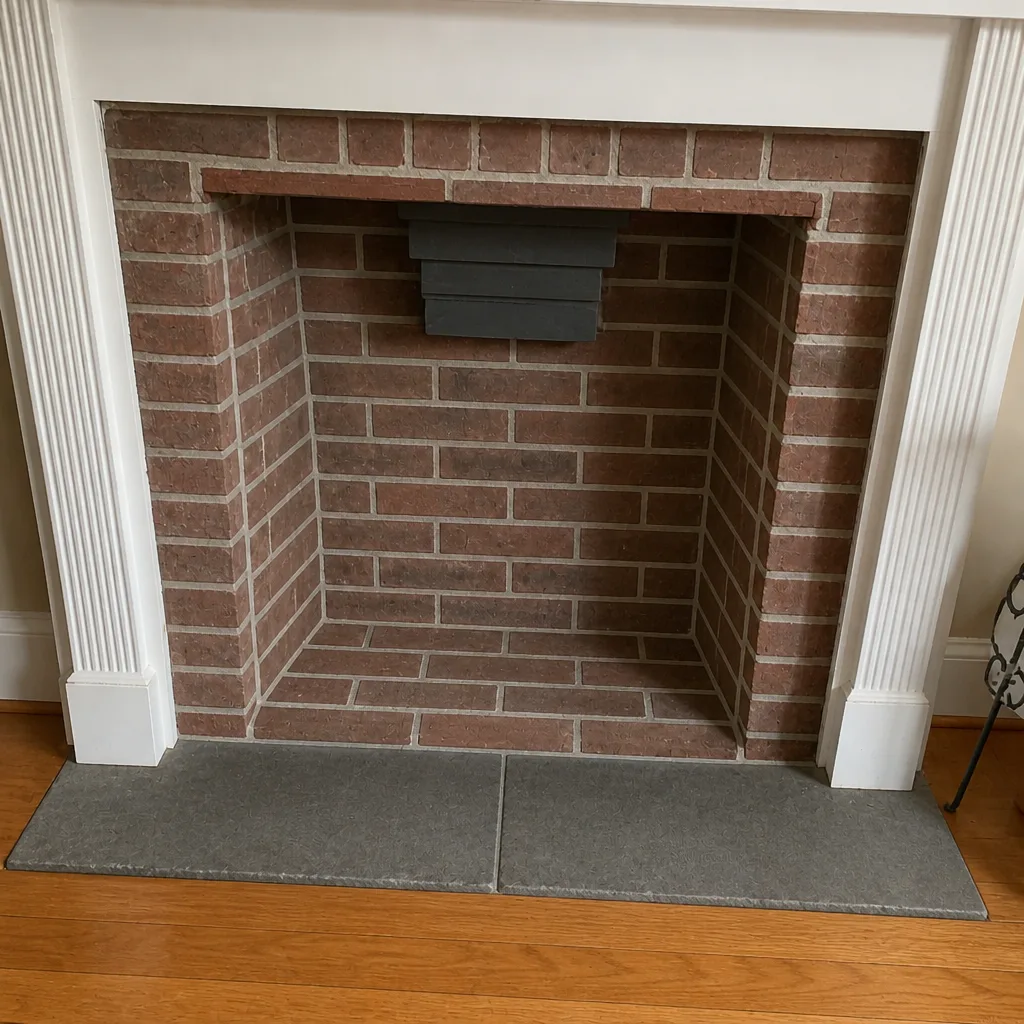
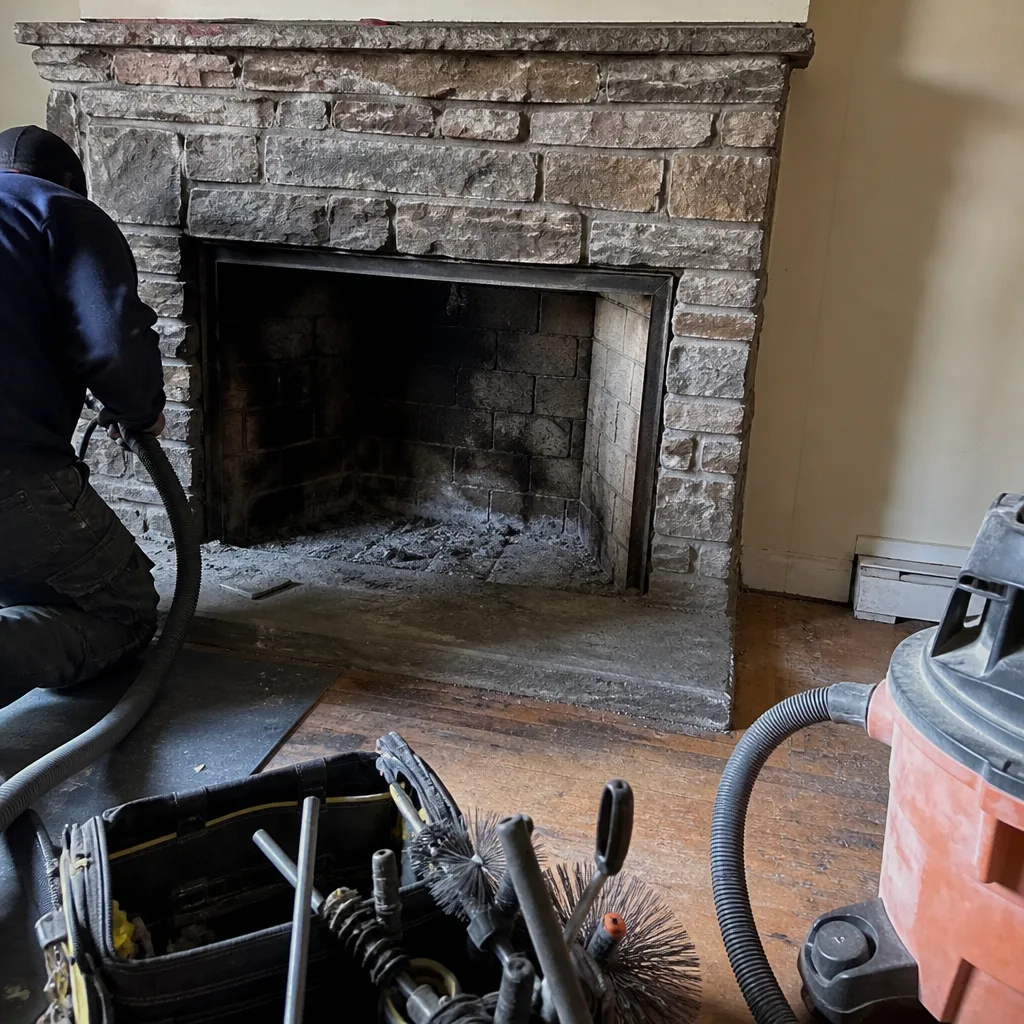
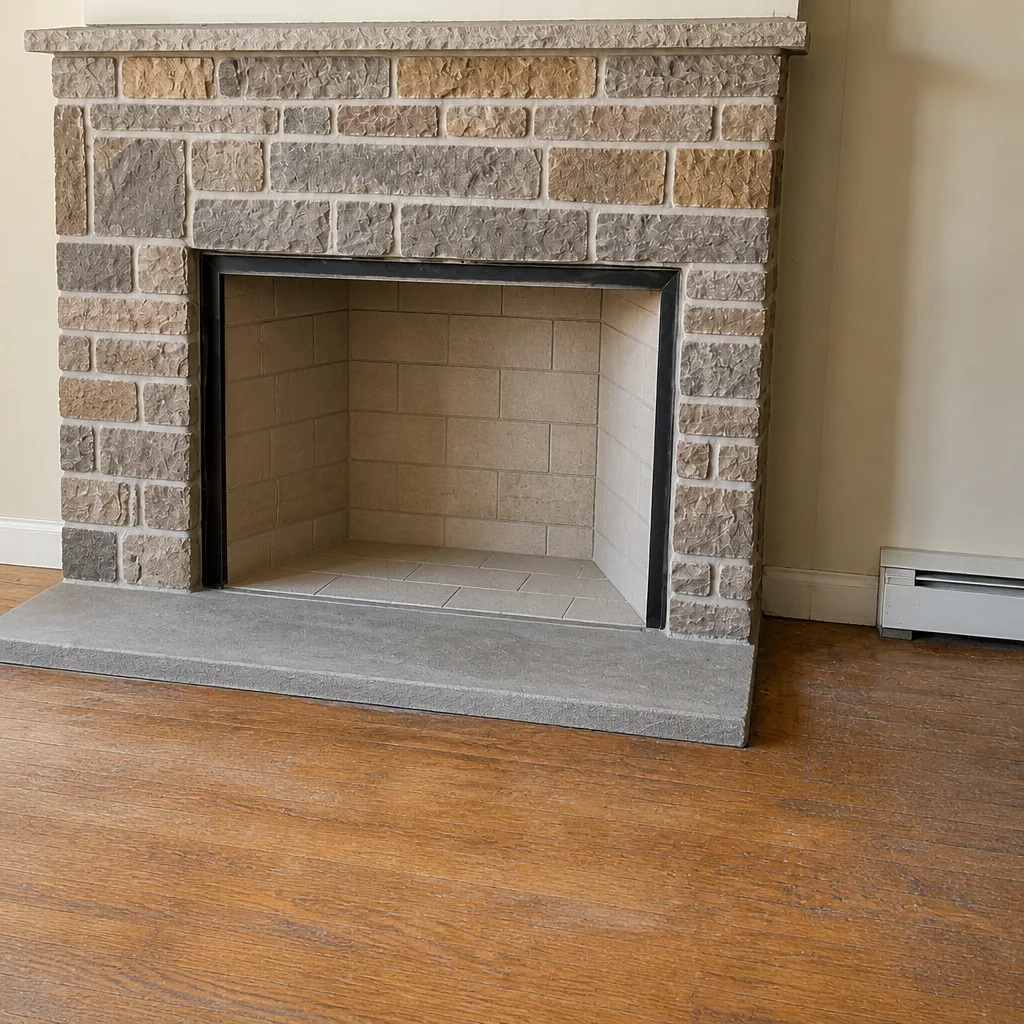
See the difference
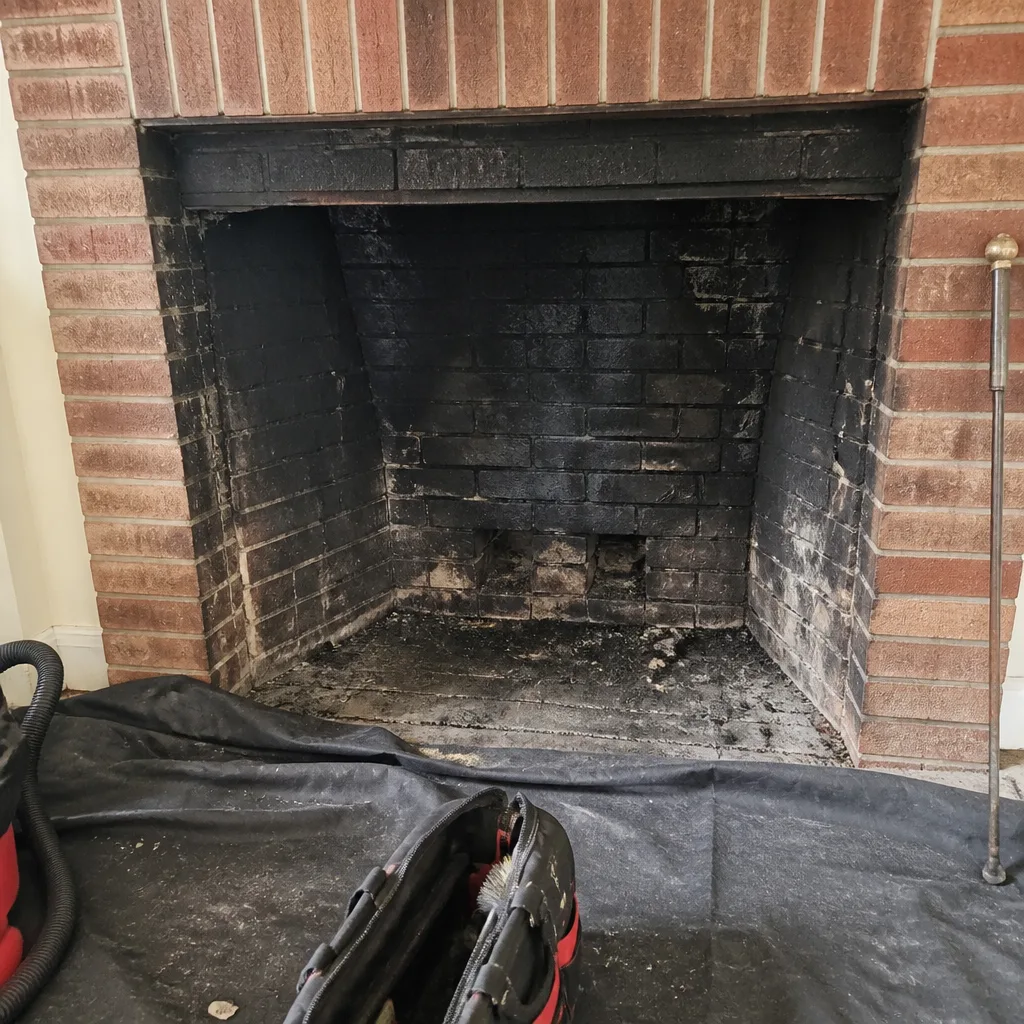 Before
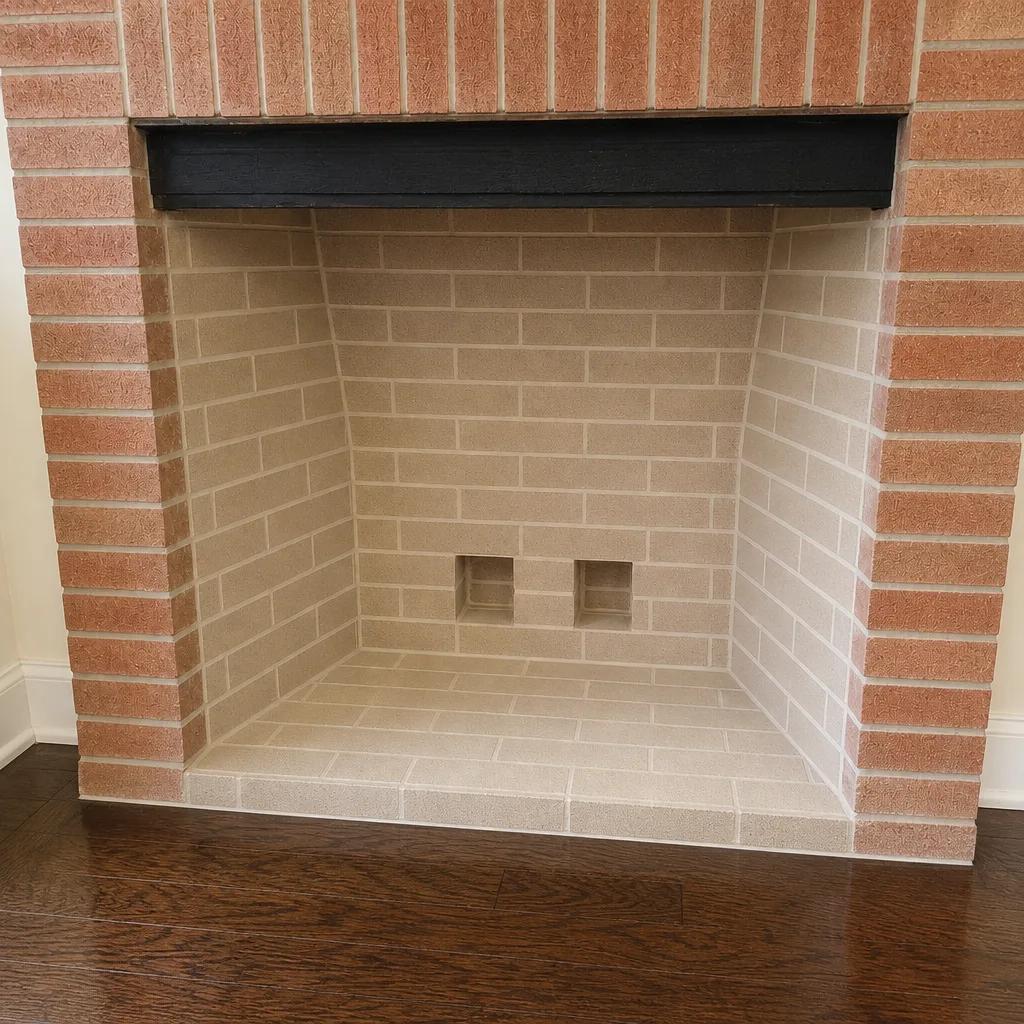 After
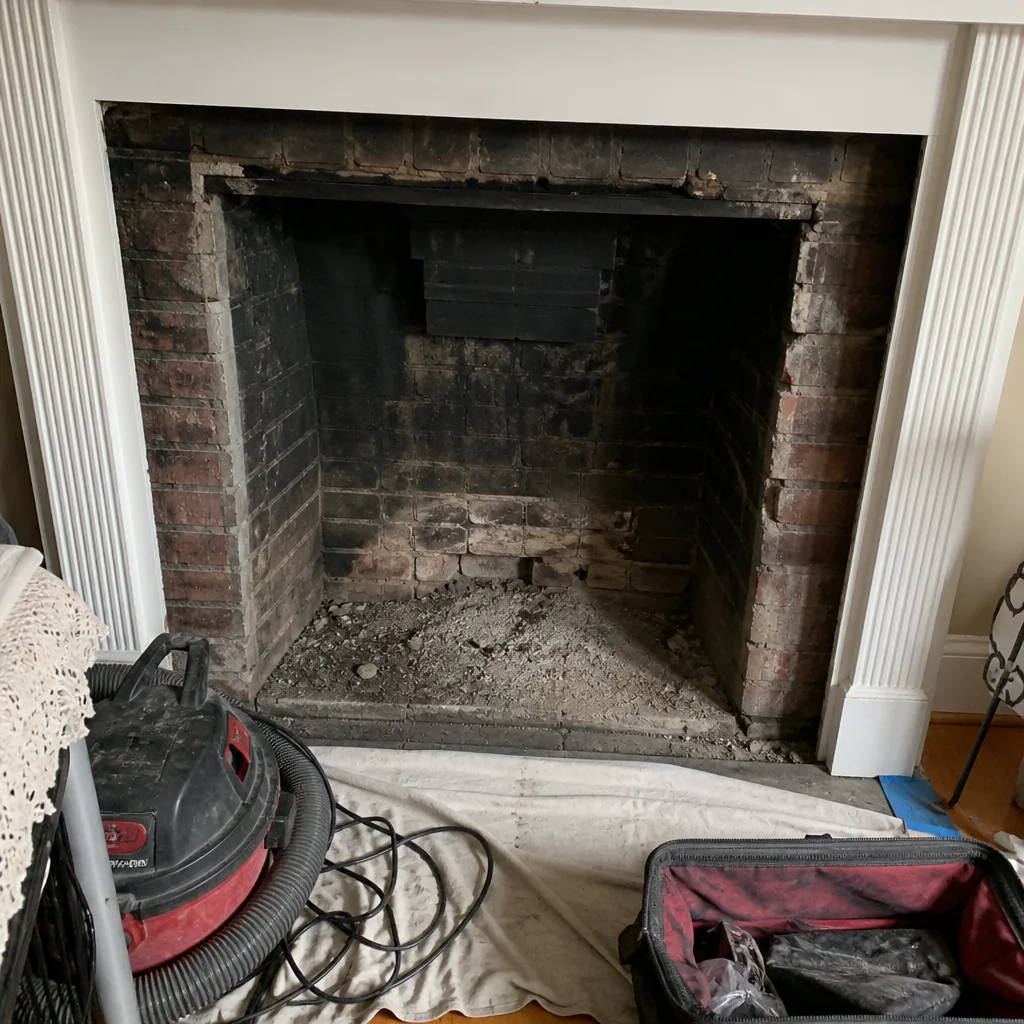 Before
 After
 Before
 After
When to Call a Professional
Call a professional if any of the following is true: you’ve never had the chimney inspected and don’t know its history; the flue has visible glaze or heavy soot; smoke backs into the room when you burn; you’ve had a chimney fire, even a small one you put out yourself; the chimney crown is cracked or the cap is missing; the fireplace was converted from oil or wood to gas; or a previous sweep recommended liner work and you want a second opinion before you commit. For fireplace repair or a full assessment, the right first step is a camera inspection so you can see the problem yourself. We work with DuraFlex and HeatShield systems for liner and resurfacing work, and with Copperfield and Famco components where they fit the flue. Chimney Sweep Roslindale offers free estimates in Roslindale – call (844) 420-1248. We answer 24/7, with fast dispatch from 7am to 7pm, Sunday through Friday.
Frequently Asked Questions
A standard cleaning with a Level 1 inspection in Roslindale typically runs an estimated $200-$350, and a Level 2 inspection with video camera is typically $300-$500. The written estimate sets the final price, and repair costs are quoted after the inspection. Call (844) 420-1248 for an exact quote – estimates are free.
You need a liner if the existing flue surface is compromised, if the flue is unlined, or if the appliance requires a liner the current flue doesn’t provide. In some cases HeatShield resurfacing can restore a degraded flue without a full reline, so a liner recommendation isn’t automatically the only option. Call (844) 420-1248 to have a camera inspection done before deciding – the evidence should be in front of you.
Once a year if you burn regularly, with an annual inspection even in years you don’t burn much. The freeze-thaw cycle here damages flues on its own timeline, so a yearly look catches mortar and crown problems before they become structural. Call (844) 420-1248 to book the annual inspection.
Creosote builds in stages, and second-degree creosote moves toward third-degree glazing, which is the combustible stage that fuels a chimney fire. Skipping also means missing freeze-thaw damage to the flue and crown that’s cheap to fix early and expensive later. Call (844) 420-1248 if it’s been more than a year.
Yes. Shared masonry stacks in triple-deckers and exterior stacks on older wood-frame colonials are the two most common setups we evaluate in Roslindale, and both benefit from a Level 2 camera inspection. Call (844) 420-1248 to discuss your setup.
It needs an evaluation, not necessarily a sweep. A converted gas insert should be checked for venting category, liner sizing, and condensation damage inside the original flue. Call (844) 420-1248 to schedule a proper evaluation of a converted system.
The Bottom Line
A chimney cleaning in Roslindale is a diagnostic visit first and a brush-down second. What’s inside the flue changes every season, driven by freeze-thaw cycling, combustion residue, and the specific construction of your home. The three things to carry away from this guide: know which NFPA 211 inspection level your chimney needs, understand what the creosote stage tells you about when to stop burning, and read the written report with urgency levels in mind rather than a flat list. Photo evidence should back up any repair recommendation, and when work can safely wait, you should hear that too. Call (844) 420-1248 for a free estimate. We answer 24/7, with fast dispatch from 7am to 7pm, Sunday through Friday.
Written by the team at Chimney Sweep Roslindale.