
Last updated November 25, 2026
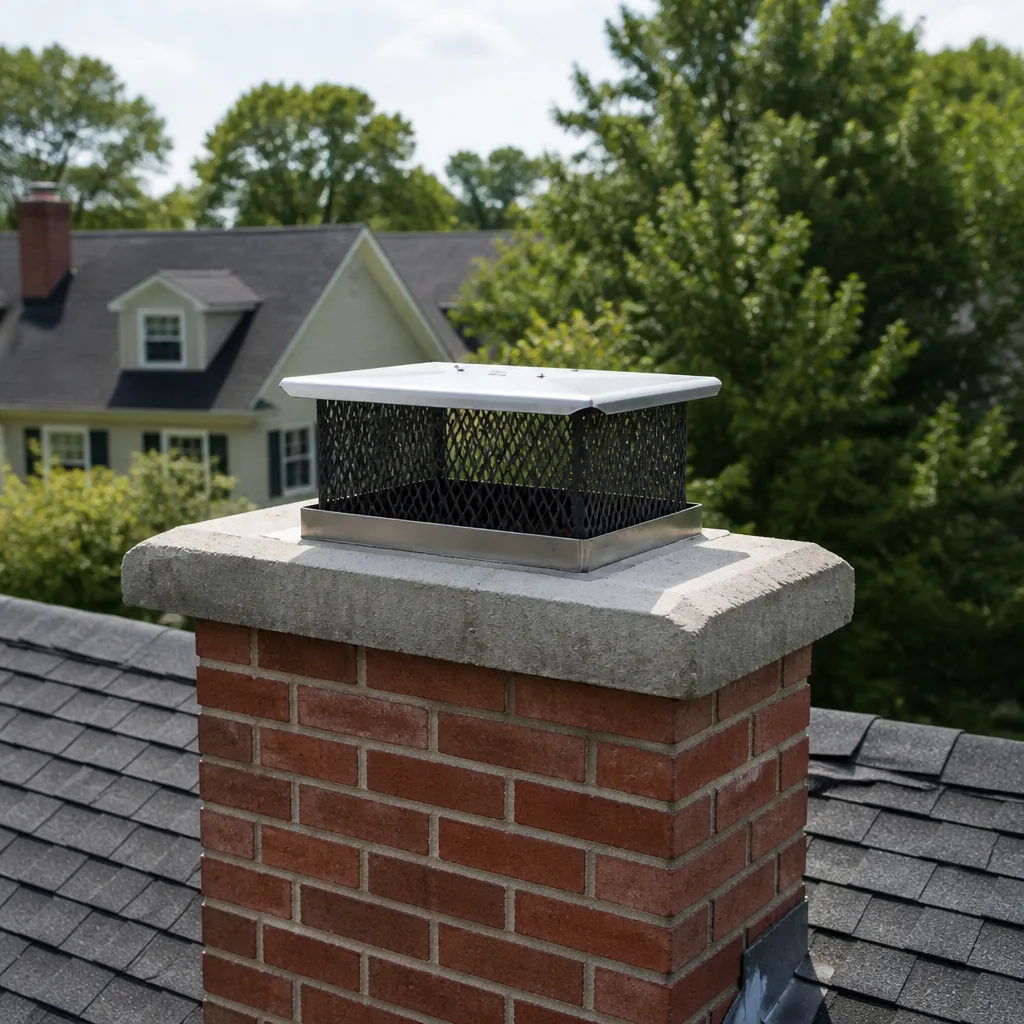 Sweep & inspection
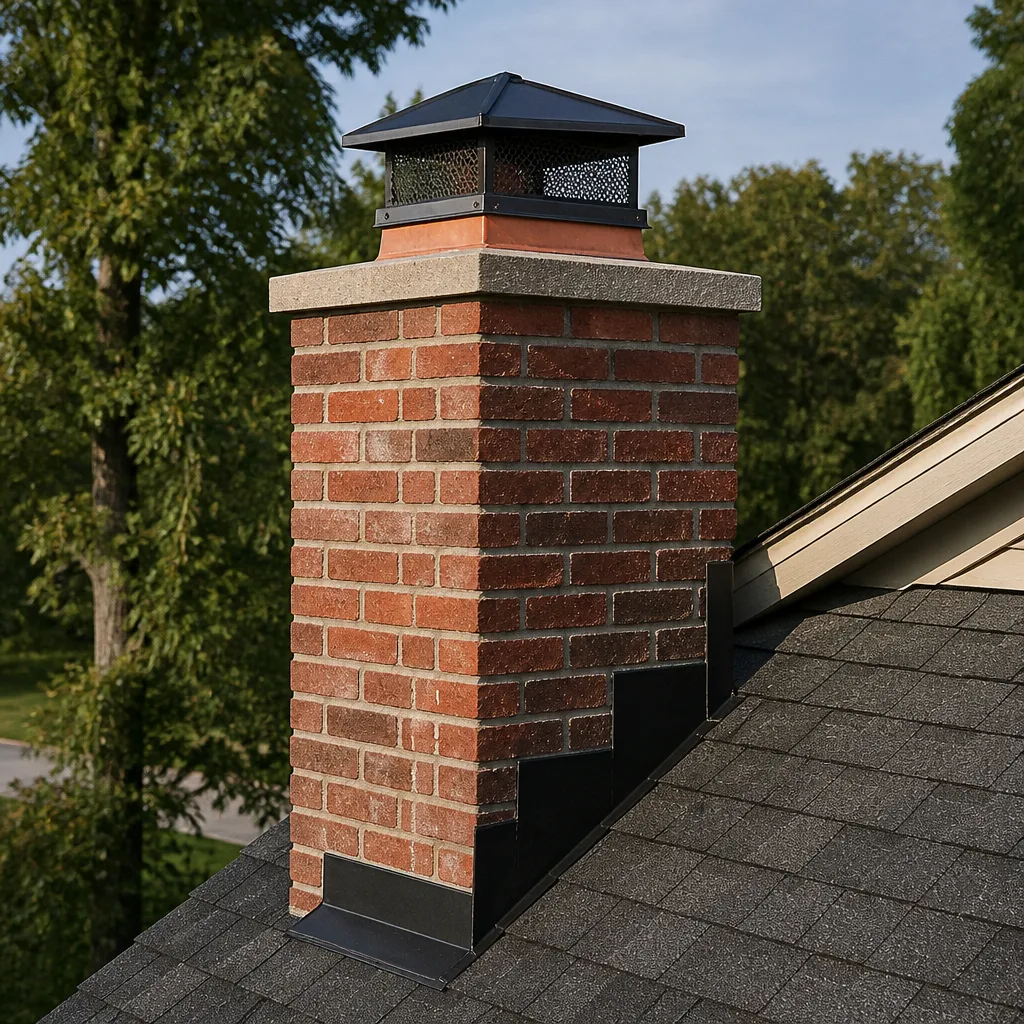 Caps & crowns
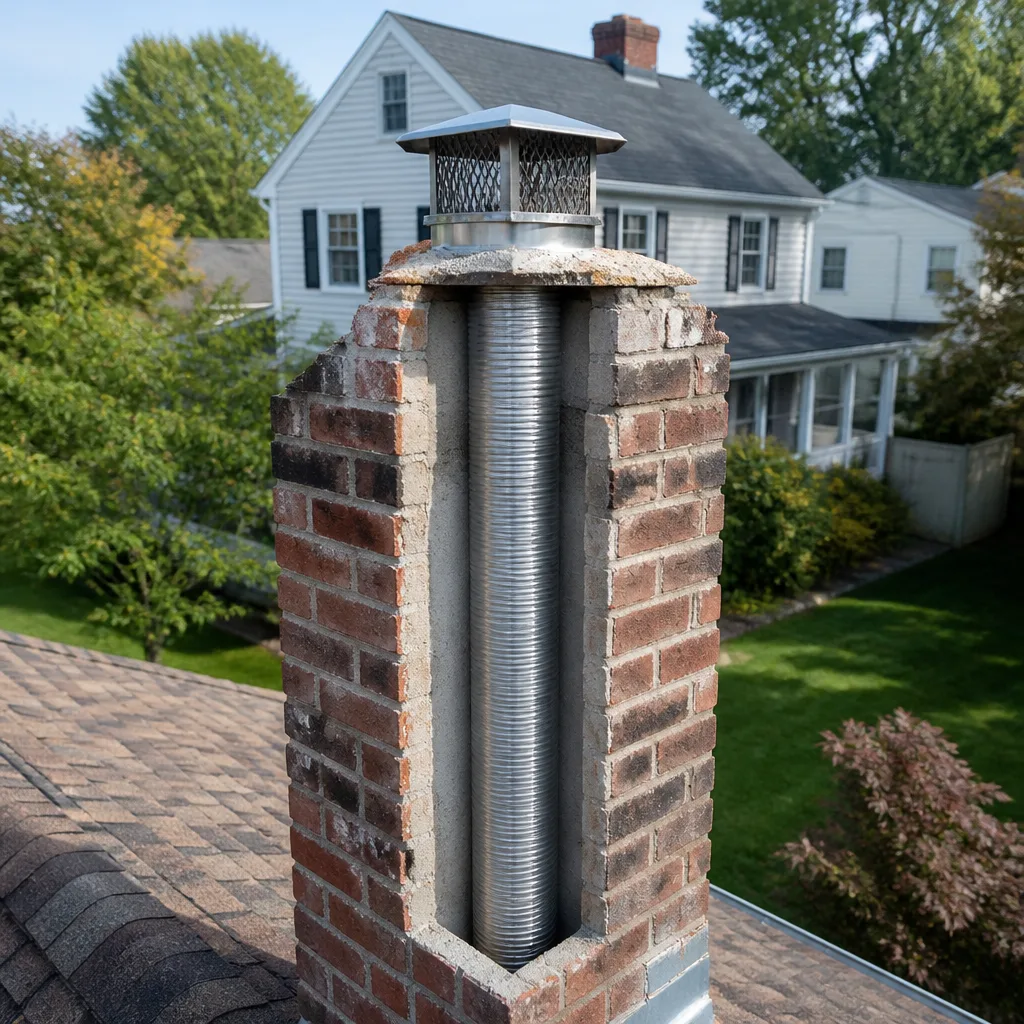 Flue relining
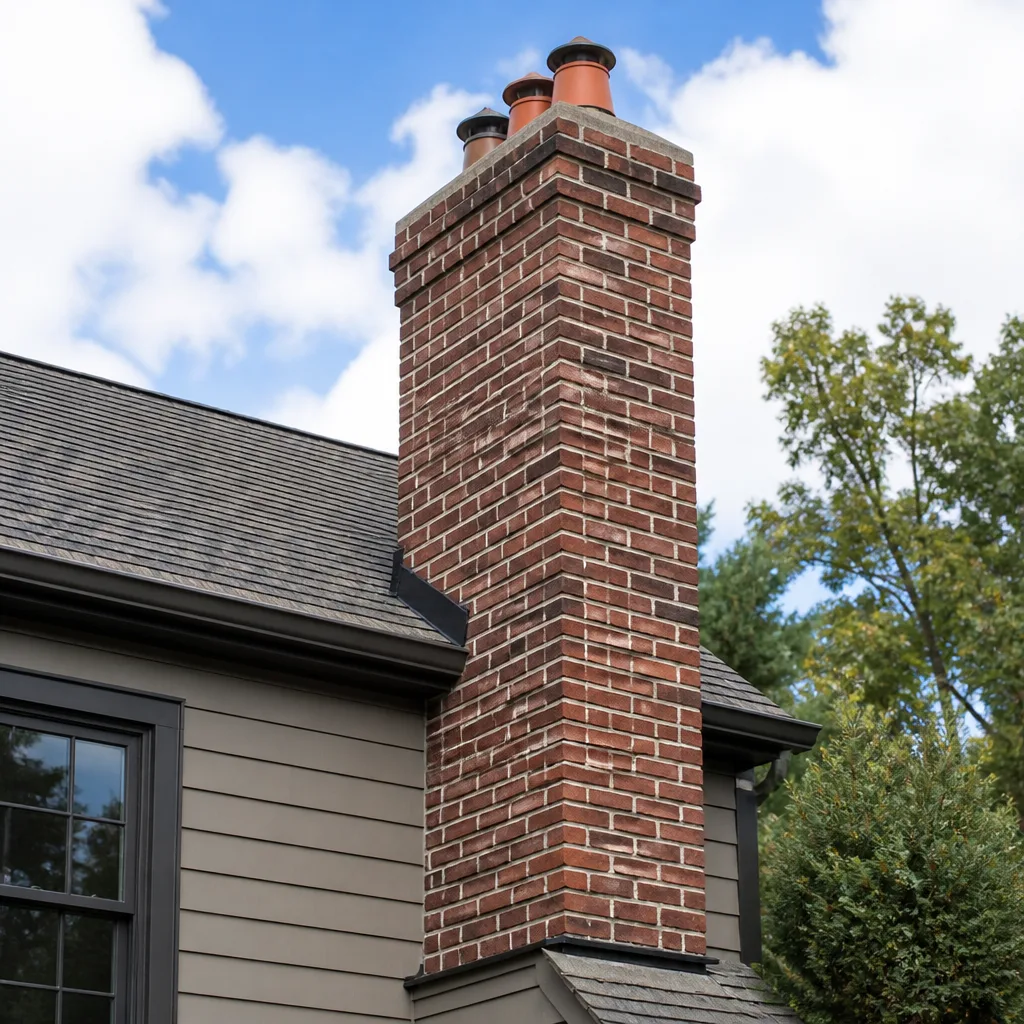 Masonry repair
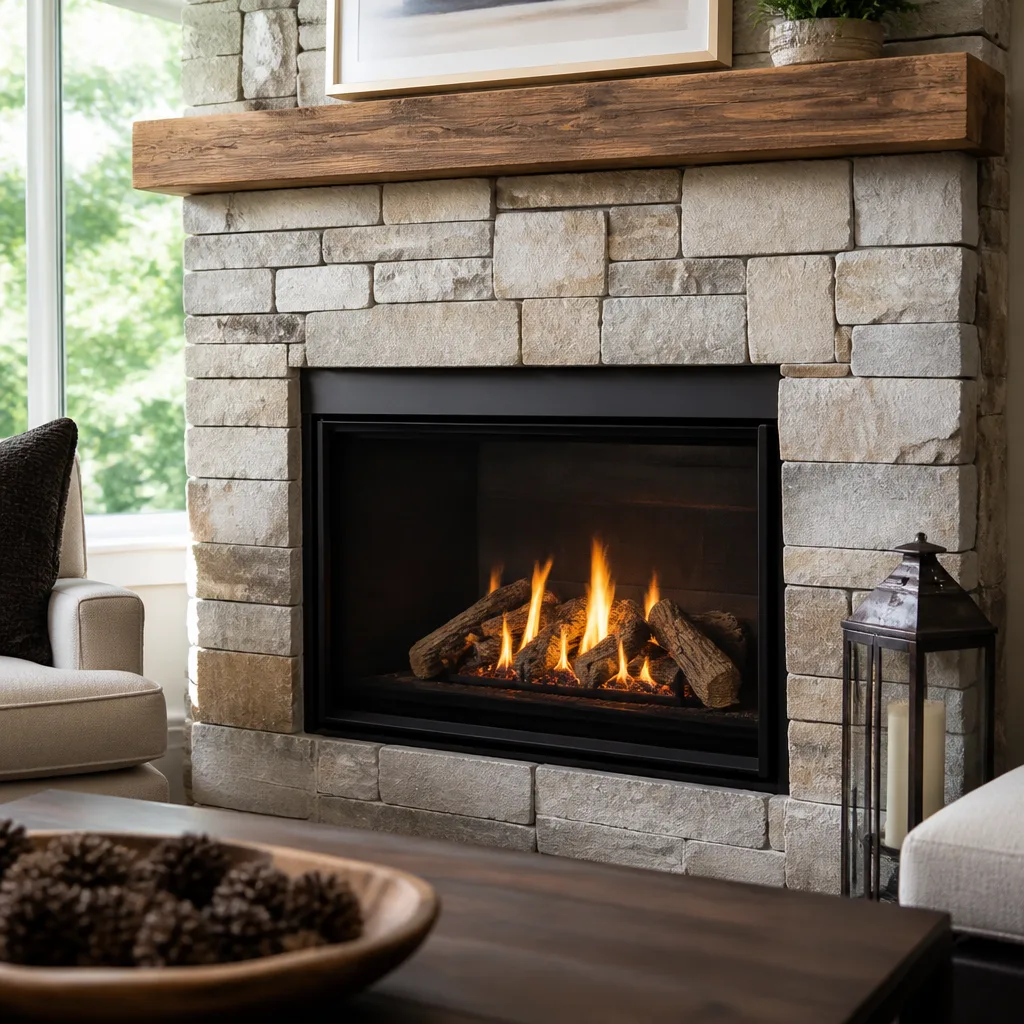 Gas fireplace service
Level 1 sweep and inspection to the NFPA 211 annual standard - flue, crown, cap, and flashing checked and photographed
Chimney sweep logs do not sweep chimneys. They loosen some creosote - which then falls where a brush and vacuum still have to collect it.
How to Hire a Chimney Cleaning Contractor in Roslindale: A Step-by-Step Guide
Most people hire a chimney sweep the way they hire a plumber: someone offers the service, the price sounds reasonable, and the appointment gets booked. That’s the wrong starting point in greater Boston, where HVAC companies, general handymen, and roofing outfits bolt chimney cleaning onto a menu of unrelated work. A crew that spends most of its week on furnaces or gutters sees a different set of problems than a chimney-only specialist does, and that gap shows up in what gets missed. This guide walks through the full vetting sequence experienced Roslindale homeowners run before anyone climbs onto their roof: what to ask about liner systems, how to read an inspection report, which insurance lines actually matter here, and how to compare bids without getting lost in vague line items.
Quick Answer
To hire a chimney cleaning contractor in Roslindale, verify three things before booking: that the company works on chimneys as its primary trade rather than an add-on, that it carries Massachusetts liability insurance and workers’ compensation, and that it provides a written inspection report with specific findings and recommended repair methods. Ask at least one technical question about liner systems and see whether you get specifics or a pivot to price. Anyone who starts on your roof without a documented assessment first is the wrong hire.
Styles & brands we work with
- Sweep & inspection
- Caps & crowns
- Flue relining
- Masonry repair
- Gas fireplace service
Table of Contents
- Why a Chimney Specialist Beats a Generalist Add-On in Roslindale
- Certification: The Floor, Not the Ceiling
- Insurance and Workers’ Comp: What a Roslindale Roofline Demands
- The Questions That Separate Specialists From Generalists
- Red Flags in a Chimney Cleaning Quote
- How to Read and Compare Written Inspection Reports
- Chimney Sweep vs. Chimney Restoration Contractor
- The Full Vetting Sequence, Step by Step
Why a Chimney Specialist Beats a Generalist Add-On in Roslindale
Roslindale’s housing stock is old, and much of it has had its chimney system handled piecemeal over decades. That’s the exact situation where a generalist’s blind spots cost you. A handyman who cleans gutters and hangs drywall while also advertising “chimney sweep” has a checklist built around removing creosote. A chimney-focused technician is watching the whole venting system at once: liner condition, crown integrity, draft performance, firebox masonry, and the connection points where heat and gases actually move.
The systems are interconnected. A crack in the crown lets water into the flue, water degrades the masonry, degraded masonry shifts the liner, and the liner is what keeps combustion gases inside the vent instead of inside your house. A sweep who only looks up the flue from the firebox misses the crown. A roofer who only looks at the crown misses the liner. Both leave you with half an answer.
Ask directly: what percentage of your work is chimney-specific? A specialist answers in trades. A generalist hedges. In our experience, the generalist will also have thinner material and product knowledge. When we specify a flexible stainless liner, we’re working with systems we already know by name: DuraFlex for offset and older flues, HeatShield for resurfacing a compromised liner that doesn’t qualify for full replacement. A general contractor may have heard of none of these and will substitute whatever a supply house pushed that month.
Roslindale homes also deal with a seasonal swing that shapes how a sweep should be reading your system. Wet, cold winters followed by humid summers put masonry through repeated freeze-thaw cycles and drive water into any weak point in the crown or flashing. A sweep who treats the roof surface as an afterthought isn’t reading the building you actually live in. A Chimney Sweep Roslindale technician spends that professional education entirely on flues, drafts, and masonry. It’s the only system we work on.
Certification: The Floor, Not the Ceiling
CSIA (Chimney Safety Institute of America) certification is the baseline credential you should confirm, and it tells you the technician passed a written and practical exam on venting, codes, and inspection standards. It’s the starting point of a vetting process, not the end of one. Plenty of unqualified operators can talk convincingly about their certification while skipping every other check that matters.
Here’s how to go further:
- Ask whether the certification is current for the specific technician who will arrive, not just the company owner. Certifications require renewal.
- Ask what inspection level they perform by default, and understand what Level I, Level II, and Level III mean in plain terms. A routine annual sweep is Level I. A Level II is triggered by a system change, a real estate transaction, a flue fire, or an appliance swap. A Level III is what happens when a camera or physical access is needed to reach concealed parts of the flue.
- Ask whether the inspection includes a written report with photographs. A verbal “you’re fine” isn’t a report and it doesn’t help you compare bids or track system condition over the years.
- Ask what happens if a technician finds a hazard. A specialist pauses the sweep and explains. A generalist may just note it and keep going.
We also recommend you ask who is physically on the roof and whether that person is the certified technician or an assistant. The distinction matters because certification training shapes what someone knows to look for. A certified technician walking the crown and flashing will spot conditions an uncertified helper walks right past. On a Roslindale roofline with a steep pitch and aging flashing, that’s not a formality, it’s the difference between a clean sweep and a missed water intrusion problem.
Insurance and Workers’ Comp: What a Roslindale Roofline Demands
Working on a chimney roof in greater Boston carries real liability, and it should be carried by the contractor, not by you. If a technician falls or drops equipment through a roof or onto a car below, you don’t want to discover mid-repair that the company had no coverage or that the coverage lapsed. This is the single easiest vetting shortcut homeowners skip.
Why workers’ comp matters here in particular: chimney work happens at height, often on pitched roofs, in weather that changes quickly. If a technician working at your home is injured and the company doesn’t carry workers’ comp, you can be exposed as a homeowner in ways general-trade insurance doesn’t cover. Massachusetts requires workers’ comp for most employers, and asking about it is normal professional practice. A specialist will hand you a certificate of insurance before the appointment.
What to request in writing before anyone books:
- A current certificate of general liability insurance naming the entity that will do the work, with limits that are current.
- A workers’ compensation certificate confirming coverage for the people who’ll be on your property.
- Confirmation of the certified technician’s name and status on the date of the visit.
- A written scope and estimate that states what will and won’t be done, including any inspection.
If a company can email these in an hour, that’s a green flag. If you hear excuses, that tells you a lot. We keep this documentation ready because we’d ask the same of anyone working on our own chimneys. The local pro we connect you with is licensed and insured as Massachusetts requires; the certificates are the proof.
The Questions That Separate Specialists From Generalists
The easiest way to spot a generalist running a chimney service as an add-on is to ask technical questions and listen for the pivot. A specialist gives specifics. A generalist steers toward price and scheduling. Here are the questions that do the separating:
- “What would you check in the liner to tell me it’s fit for continued use?” A specialist describes physical inspection of the flue interior, looking for cracks, gaps, offsets, corrosion of metal liners, and whether the liner is sized correctly for the appliance. A generalist says “we’ll let you know.”
- “What’s the difference between a pumice liner, a stainless liner, and HeatShield resurfacing?” A qualified sweep will explain that HeatShield is a resurfacing system used when the existing liner is structurally sound enough to restore rather than replace, that flexible stainless systems like DuraFlex suit older chimneys with offset flues, and that cast materials suit different conditions. No one expects you to become an expert. You’re listening for whether the person across from you is one.
- “When would you recommend a full reline versus a repair?” This is where rote answers stand out. A specialist describes specific conditions: full length failure, wrong size, no liner at all, evidence of a previous flue fire.
- “What’s the relationship between my crown and water intrusion?” A cracked crown is the leading cause of water damage inside a chimney. A specialist knows how water enters the flue through the crown or cap, and what to install to close it off. A generalist may not know a crown from a cap.
- “Can you do the work without referring me out?” This one is telling. A chimney-only specialist handles the whole system: sweep, cap, crown, fireplace repair, structural masonry, and Level I and II inspections. A generalist often cleans the flue and refers everything else to someone else, meaning no single person is accountable for the whole system. A general contractor who says “we can also do your roof and gutters” is telling you chimney work isn’t the center of their business.
Ask two or three of these in one conversation and the answer is clear within minutes. Generalist says “call us if you need anything,” specialist says “here’s what I check on the crown.” The tone is the tell.
Red Flags in a Chimney Cleaning Quote
Most chimney cleaning quotes look similar on the surface. The differences emerge in the detail. Here’s what to watch for:
- Vague line items. “Sweep chimney” tells you nothing. A serious quote says what’s included: brushing the flue, cleaning the firebox and smoke chamber, checking the cap, crown, and damper, and a written report with photographs.
- No written inspection report. The sweep is the cleaning; the inspection is the documentation. A company that quotes only a sweep without an inspection is leaving you without the one artifact you’ll actually need to compare bids or track your system over time.
- Same-day pressure to schedule repairs. A “while we’re here” upsell on a liner replacement or a crown rebuild before you’ve seen a report is a negotiation tactic, not an assessment. Diagnostics should precede recommendations every time. In our experience, the majority of questionable chimney repair estimates come from a sales process rather than an inspection.
- Quotes without specifying what’s being cleaned. The firebox, smoke chamber, flue, and damper all get attention in a proper sweep. A vague line item is where corners hide.
- No cap or crown inspection mentioned. These are the two most common points of water intrusion and structural deterioration. A quote that doesn’t mention looking at them isn’t checking the system, it’s checking one compartment.
- No photographs. Photos are standard for good reason: they let you see what the technician saw, and they make future comparisons possible. Anyone not taking them is leaving you with no evidence trail.
- Pricing wildly below market. A very low sweep price often means the repair quote will arrive with a markup. Use the written estimate as the only relevant number and check that it covers the full scope.
How to Read and Compare Written Inspection Reports
Two inspection reports can look identical at a glance and mean completely different things. The key distinction is between “needs attention” (a soft phrase) and a specific finding tied to a recommended method. “Liner needs attention” is not a report finding. “Sectional liner has a 4-inch offset with deteriorating mortar joints visible from the smoke chamber up; recommend HeatShield resurfacing for this section” is a finding. The second one tells you what’s wrong, where, and what the plan is.
Here’s what a useful report contains:
- A stated inspection level. Level I, II, or III, with a one-line description of why that level was chosen.
- Component-by-component findings. Firebox, damper, smoke chamber, flue, liner, crown, cap, flashing, exterior masonry. Each gets a note, even if the note is “found in serviceable condition.”
- Photographs. Before and after cleaning, plus close-ups of any concern.
- A recommendation with a repair method attached to each finding. “Liner cracked in two places” without a method (resurfacing, reline, spot repair) is incomplete.
- What can safely wait. A good report flags items that are cosmetic or low priority so you know what’s pressing and what isn’t.
- A scope and an estimate in the same document. Price attached to recommended work, written down.
The critical comparison test: hold two reports side by side and check whether each finding on report A is also a finding on report B. When one report lists an issue and the other doesn’t, ask why. Is it a different inspection level? Different access? A different assessment of the same condition? Sometimes reports legitimately differ because one technician did a Level II with a camera and the other did a Level I. Sometimes they differ because one wasn’t thorough. Asking the question clarifies which. If a company can’t explain the discrepancy in specific terms, that’s your answer.
We always include camera evidence and photos with our reports for exactly this reason. Nothing is recommended without evidence you can see for yourself, and when a problem can wait, we say so.
Chimney Sweep vs. Chimney Restoration Contractor
These aren’t the same role, and knowing the difference helps you hire correctly and avoid paying for scope you don’t need. A chimney sweep cleans the system, inspects it, and handles routine maintenance and small repairs. A chimney restoration contractor handles structural masonry, rebuilding, and major system replacements. Many homeowners need both over the life of a chimney. The question is whether the company you hire can do both or refers out.
Most of the work on a well-maintained chimney falls into the sweep category: cleaning, inspection, cap and crown installation, minor fireplace repair. Restoration enters the picture when masonry has structural issues, a rebuild is required, or the liner needs full replacement with a system like a DuraFlex flexible stainless liner. You don’t want to solve a “needs attention” note with a full rebuild, and you don’t want to solve a structural failure with a spot patch. Getting the scope right matters more than getting the price lower.
Here’s where full-scope coverage earns its keep. If your sweep identifies a crown problem, having a company that also handles crown installation means one visit, one estimate, one accountable party. A chimney-focused company covering the whole system (firebox, liner, crown, cap, exterior masonry, plus Level I and II inspections) removes the referral problem entirely. If you’re looking at both a sweep and any structural work, choosing a company that fields both under one roof is simpler and often cheaper than hiring two trades. Single-company scope also means the person who inspected the crown is the person who later repairs it.
Where general contracting gets chosen by mistake: a homeowner needs a sweep, the generalist says “we can also do your fireplace repair,” and the job goes out as an add-on package. If the same company fields seven trades, the technician on your chimney is less trained than one who does nothing else. It’s not a criticism of generalists; it’s a statement about where specialization concentrates expertise.
The Full Vetting Sequence, Step by Step
Here’s the sequence we recommend, in order:
- Confirm the trade focus. Ask what percentage of the company’s work is chimney-specific. A specialist will tell you it’s the only service they offer. Listen for “we also do” and count the trades.
- Verify certification for the technician who will arrive. Confirm current CSIA certification for the specific person on the appointment, not just the company logo.
- Request the certificate of insurance and workers’ comp. Do this before booking, in writing. Review the entity name matches the company doing the work.
- Ask one technical question about liners. Any question from the list above works. Note whether the answer is specific. This one conversation is the whole vetting test.
- Ask what inspection level and report format you’ll receive. Written report with photos, confirming what was found on the crown, cap, liner, and firebox.
- Get the written estimate with scope. Confirm it covers the sweep, the inspection, and any small repair line items. Use the estimate as the final price reference; an inspection should precede any larger repair recommendation.
- Book the visit. The chimney sweep and inspection should happen together in one appointment. Have the report in hand before discussing repairs.
- Review the report and compare if needed. If you compare reports across bids, ask about any discrepancy in specific terms before deciding.
- Decide on repair scope separately. Don’t combine the sweep decision with the repair decision. Sweep first, report second, repair decision third.
- Schedule maintenance. Annual inspection and sweep keeps the system in front of a trained eye. Ask when to book the next one relative to your heating season.
Two adjustments are specific to Roslindale. First, if your chimney has not been inspected since you bought the house, a Level II inspection is usually the right starting point, not a Level I sweep. Second, if your home has an older chimney with visible masonry issues, ask whether the company handles chimney cap & crown work in-house or refers it out. A company that performs both means no handoff between inspection and repair.
Common Mistakes to Avoid
- Hiring based on the sweep price alone. The sweep rate is often a loss leader. The real cost is in the repair recommendations, which is why the estimate and report matter more than the headline price. Compare what’s included, not what’s charged for the visit.
- Skipping the insurance check. Homeowners assume every professional is insured. Confirm it in writing before the visit. If a workers’ comp certificate is missing, walk away. The exposure is yours, not theirs.
- Accepting a repair recommendation without a written report. If the conversation is verbal, bad decisions are easy. Ask for the report with photographs and a specific repair method listed for every finding before you agree to anything.
- Confusing “needs attention” with a finding. Vague phrases are the easiest kind of soft language to hide behind. Specific findings name the issue, the location, and the recommended method. Push for that before you pay for work.
- Booking a generalist for a full-system inspection. A generalist who also runs HVAC or roofing will sweep the flue and may miss the crown, cap, and liner issues. For a full-system assessment in Roslindale’s older housing stock, hire a chimney-only contractor.
- Assuming the report from your last sweep is still good. Inspections reflect system condition at a moment in time. If the chimney hasn’t been looked at since a change to your stove, liner, or masonry, new inspection is warranted. Roslindale’s freeze-thaw winters do not leave masonry alone between visits.
- Letting a “same-day” urgency pitch bypass the report. A same-day repair price with no written assessment is a sales pattern. Nothing should be recommended without evidence you’ve seen.
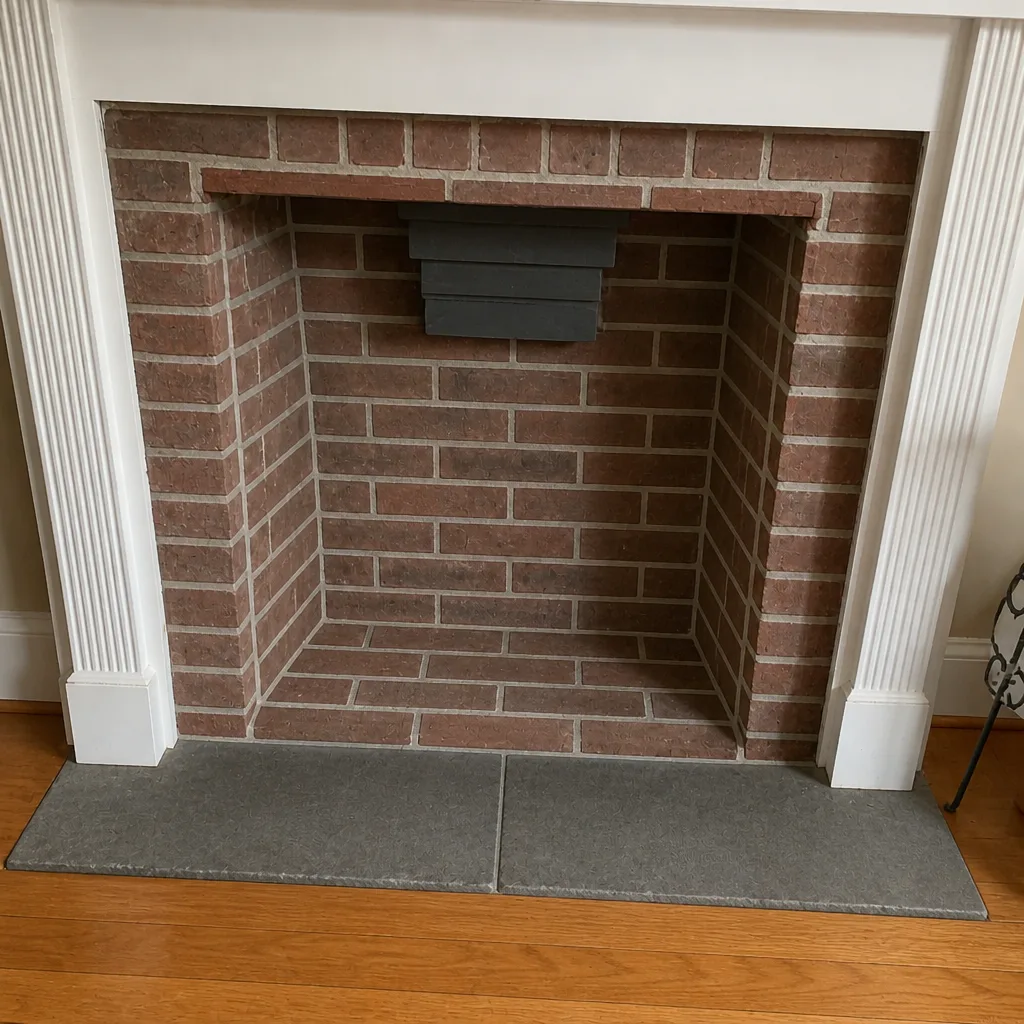
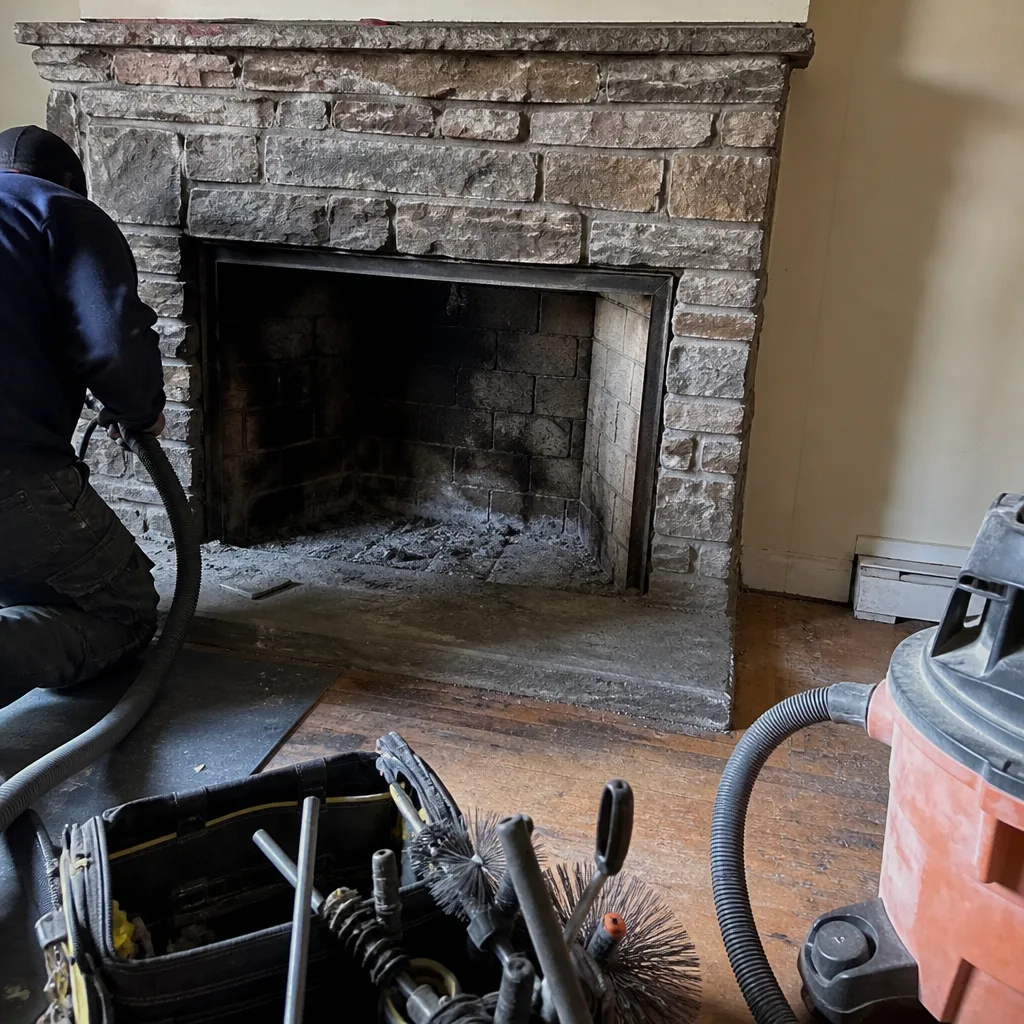
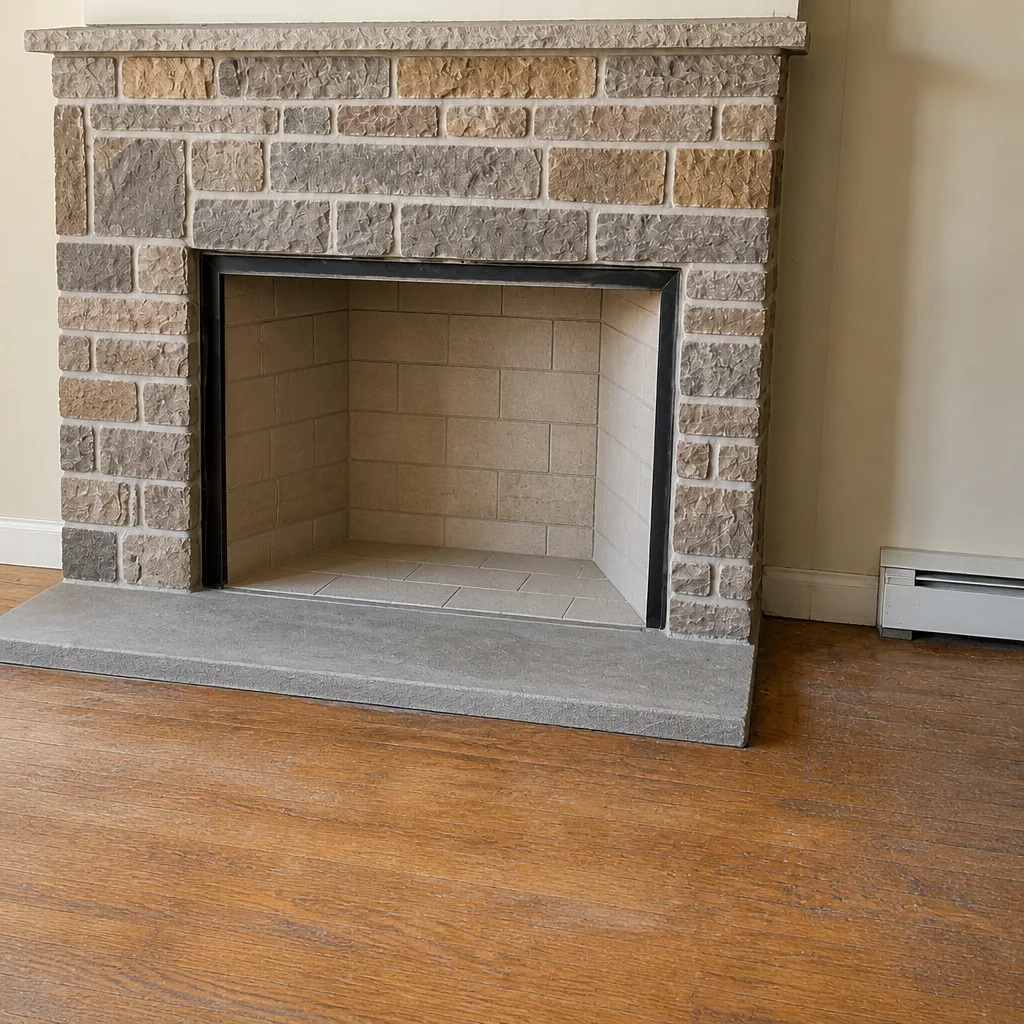
See the difference
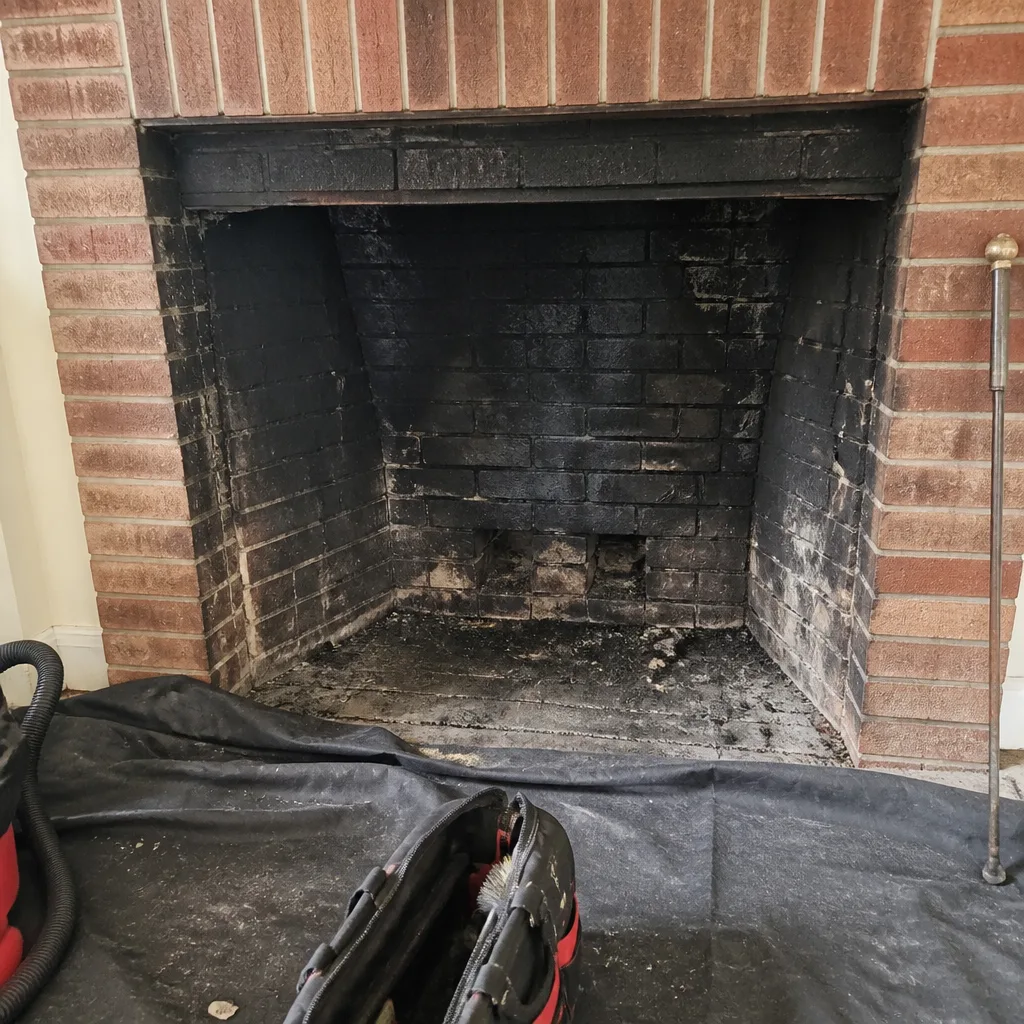 Before
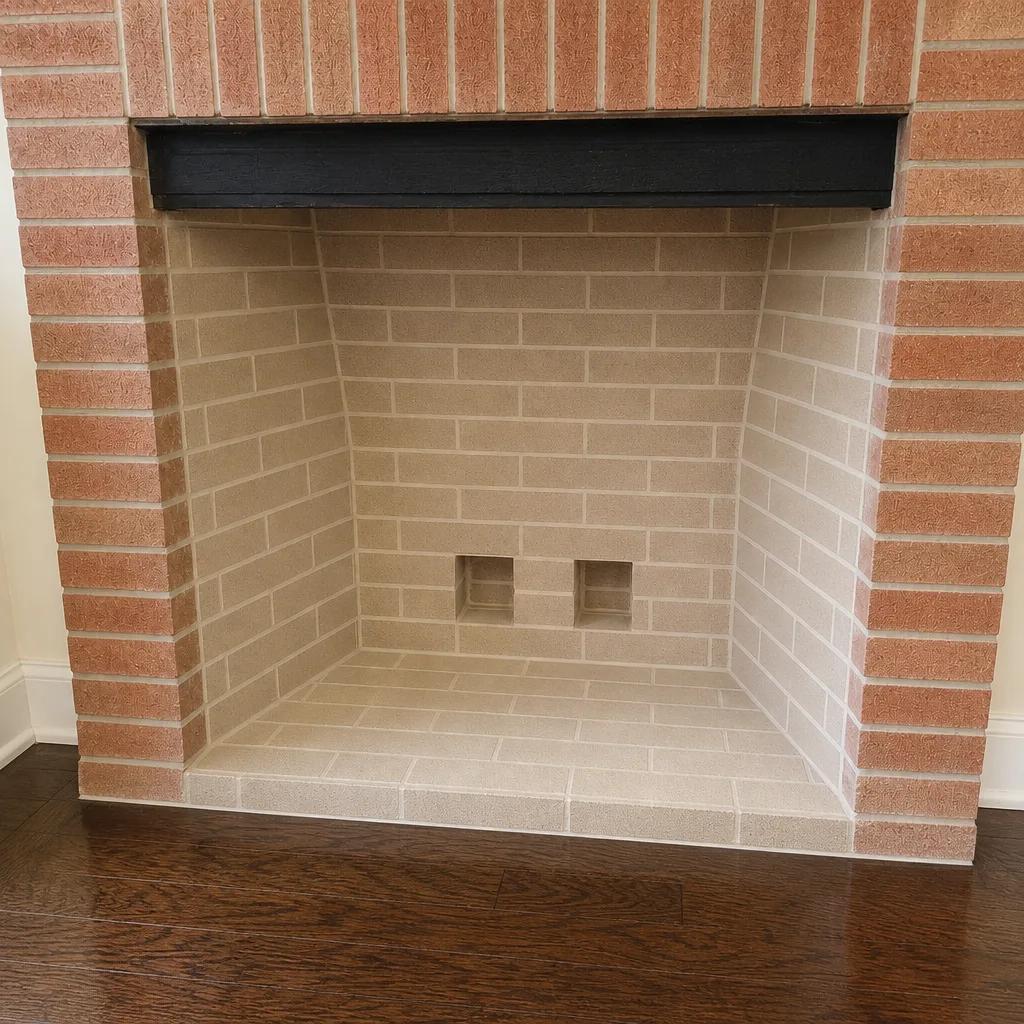 After
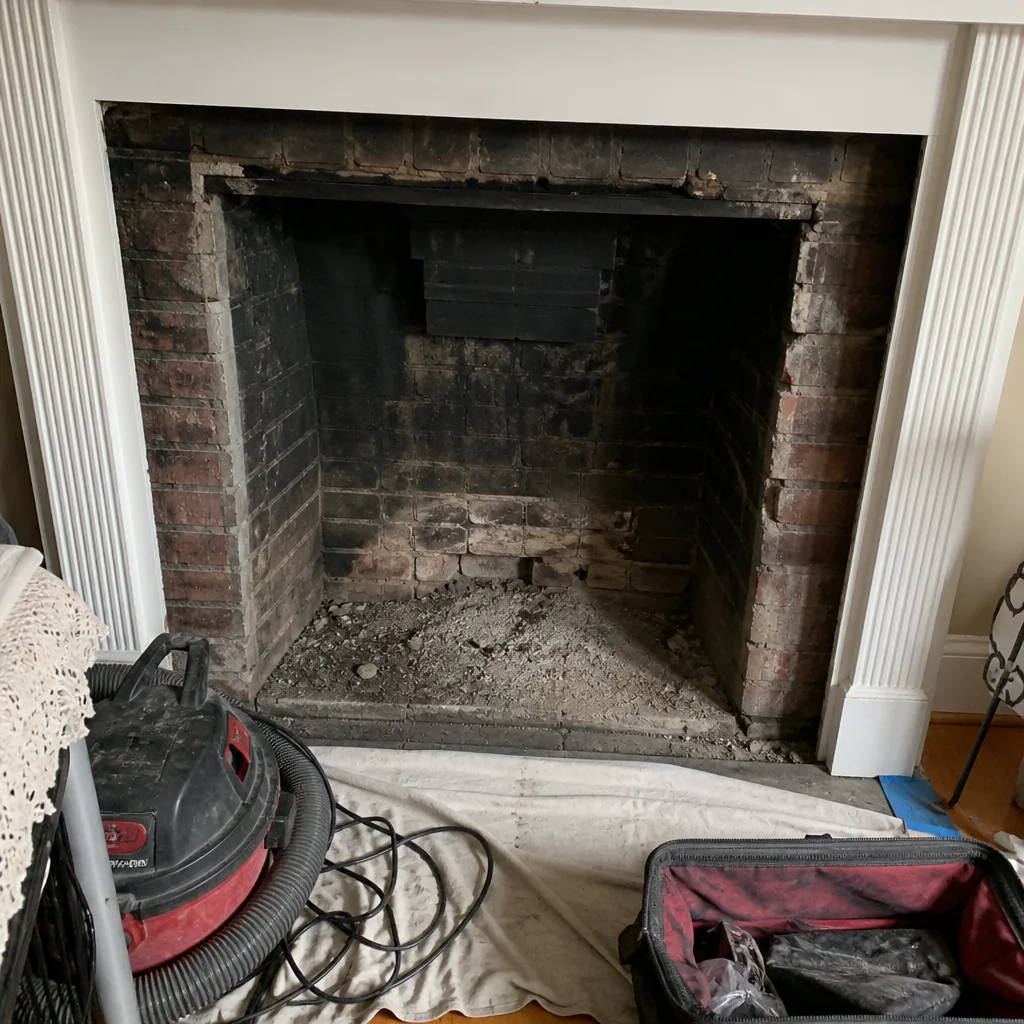 Before
 After
 Before
 After
When to Call a Professional
Some conditions warrant scheduling a sweep and inspection without waiting for your annual reminder. A new home purchase is one: you don’t know the history of a chimney in a Roslindale house you’ve just bought, and a Level II inspection closes that gap. An appliance swap or a flue fire is another. Smoke backing into the room, a strong creosote smell between uses, visible cracks in the firebox or crown, water stains on masonry, and any visible masonry spalling all warrant a professional assessment. Draft problems, a fire that’s hard to light, or a stove that smokes should also prompt a call. And any time you’re considering repair work based on a generalist’s recommendation, get a second inspection from a chimney-focused company first.
Chimney Sweep Roslindale offers free estimates in Roslindale. Call (844) 420-1248. We answer 24/7, with fast dispatch from 7am to 7pm, Sunday through Friday.
Frequently Asked Questions
Typical chimney sweep pricing in Roslindale falls in a range influenced by the flue length, the level of inspection included, and whether any additional component cleaning is required. We don’t quote one number that applies to every home, and we don’t publish pricing that hides line items. The written estimate sets the final price, and it’s provided before any work is scheduled. Call (844) 420-1248 for an exact estimate; estimates are free.
Annual inspection is the standard recommendation for most homes with a wood-burning fireplace. Sweeping frequency depends on how much the chimney is used and what kind of fuel you burn: a home heating with wood may need sweeping more frequently than a home with occasional fires. A chimney-only specialist can tell you based on what they find. Call (844) 420-1248 to schedule an assessment.
Not always. Full relining is the right answer in some cases, particularly when the existing liner is fully failed, has the wrong size, or the chimney has had a fire. But HeatShield resurfacing restores a compromised liner without a full replacement in eligible situations, and DuraFlex flexible stainless systems are used where a full reline is warranted. The recommendation depends on what the inspection actually finds, not what a technician guessed on the way up the ladder. Call (844) 420-1248 for an assessment you can trust.
Creosote builds up on flue surfaces with use, and at sufficient thickness it can catch fire. The crown and cap are also in constant exposure to weather, and their failure allows water into the masonry, which degrades the flue. Skipping a sweep means skipping the inspection stage that catches both conditions. A cheap sweep today doesn’t prevent an expensive repair later. Call (844) 420-1248 for a sweep and inspection before your next heating season.
Hire a chimney specialist if you want an assessment that reads the whole system, including the crown, cap, liner, and firebox. A generalist who treats a chimney as an add-on may only clean the flue and miss the adjacent issues. The one question that separates them: ask a specific technical question and note whether the answer is specific or vague. Call (844) 420-1248 to book a specialist.
Yes. We provide standalone chimney inspections, which give you an honest assessment before committing to any repairs. If you want a second opinion on a repair recommendation from another company, a standalone inspection is the cleanest way to get it. Call (844) 420-1248 to schedule.
The Bottom Line
The right chimney contractor in Roslindale is not the cheapest sweep on the block; it’s the one whose vetting sequence you can complete in writing before anyone touches your roof. Confirm the trade focus, verify insurance and workers’ comp, ask a technical question about liner systems and listen for the answer, and require a written inspection report with specific findings and a recommended repair method before any repair decision is made. Those four checks filter out most of the risk. Reach out today and put the sequence to work on the chimney you live with.
Call (844) 420-1248 for a free estimate. We answer 24/7. Fast dispatch from 7am to 7pm, Sunday through Friday.
Written by the team at Chimney Sweep Roslindale.