
Last updated November 25, 2026
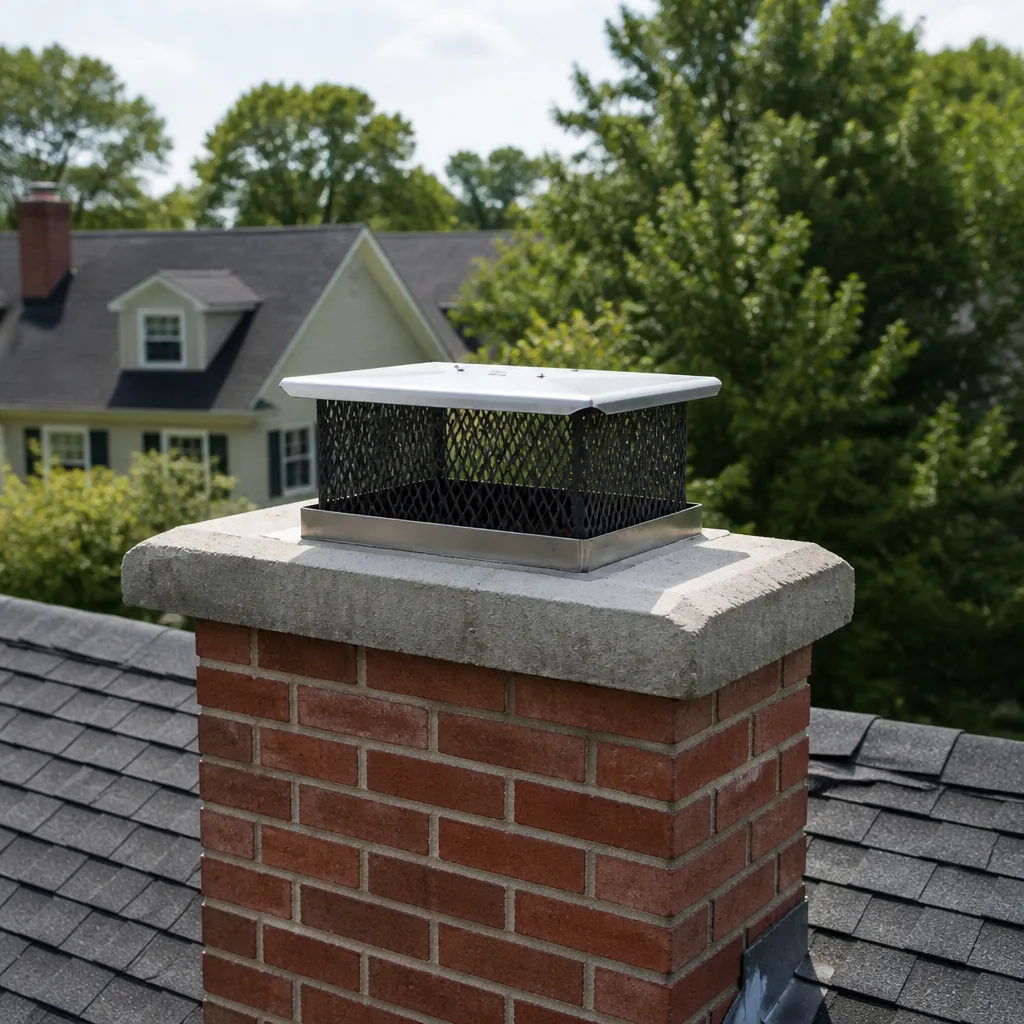 Sweep & inspection
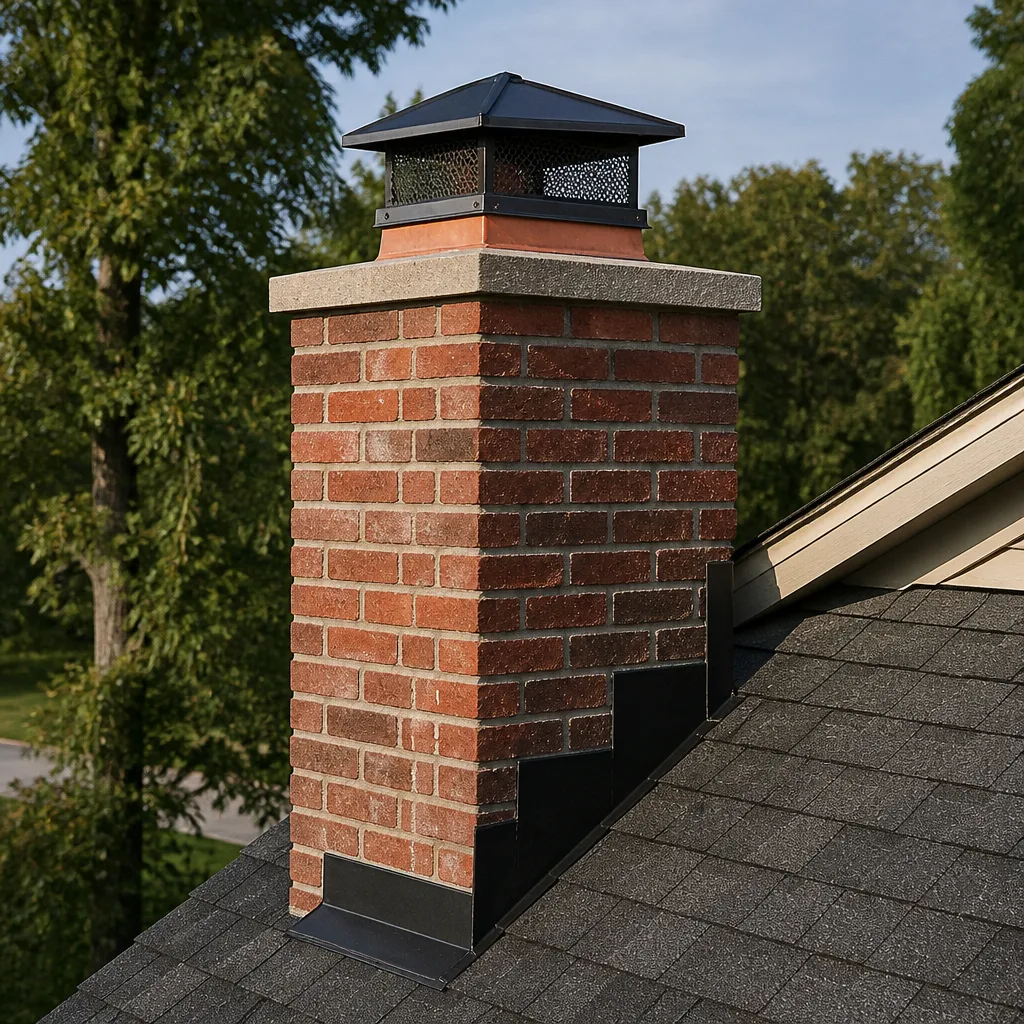 Caps & crowns
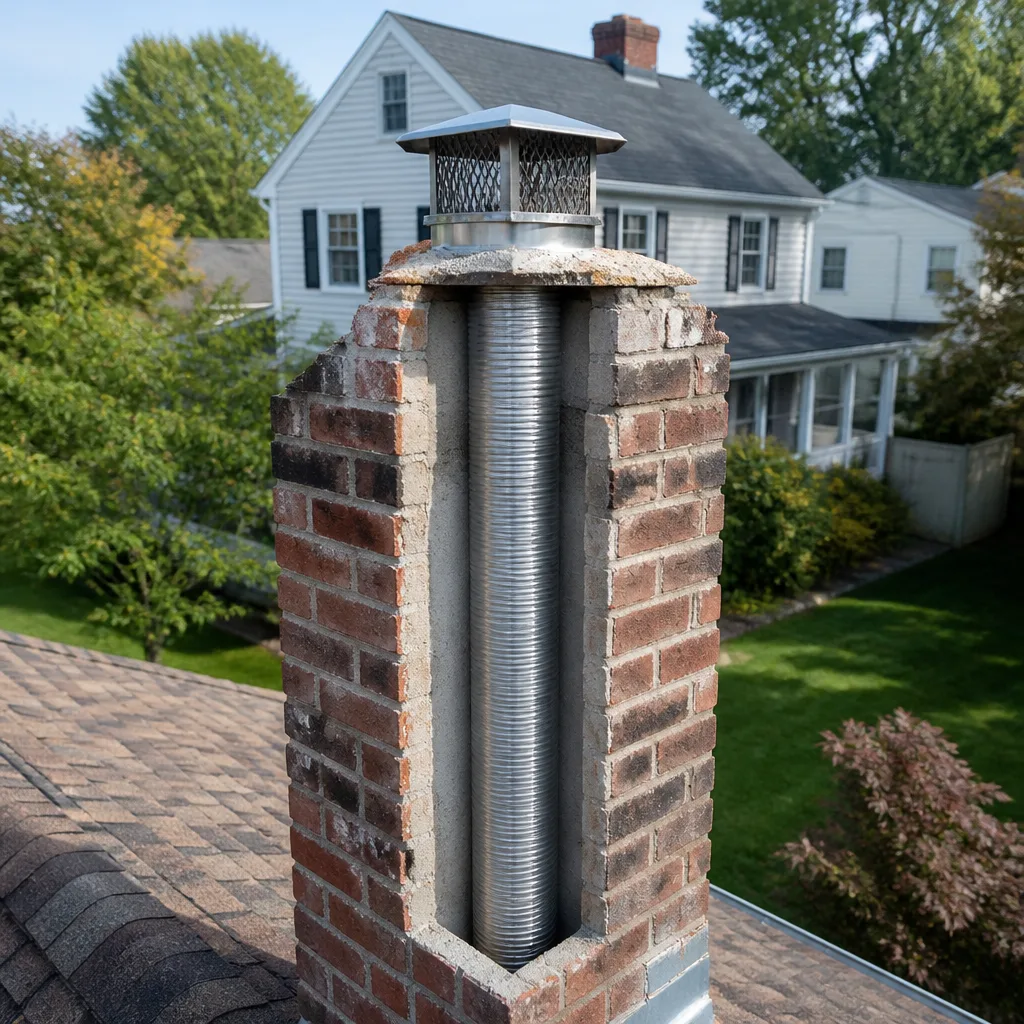 Flue relining
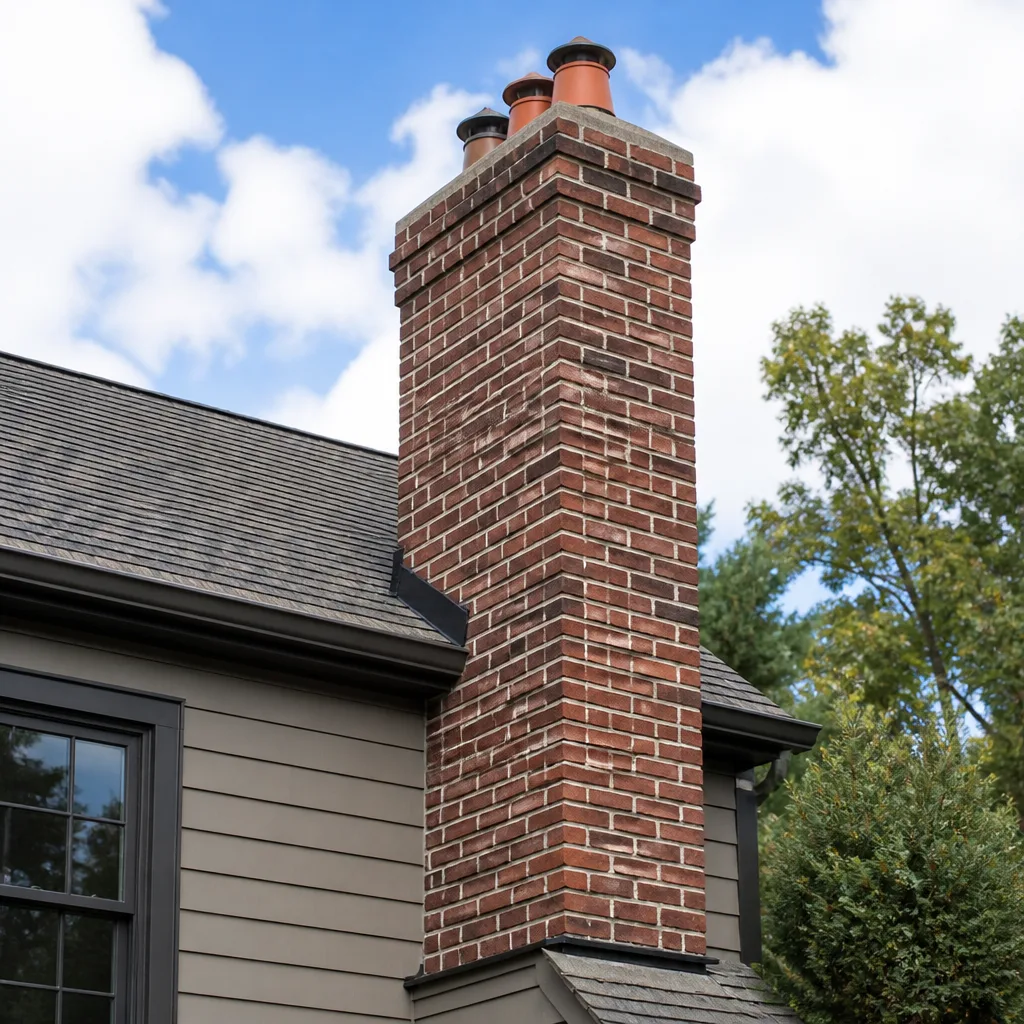 Masonry repair
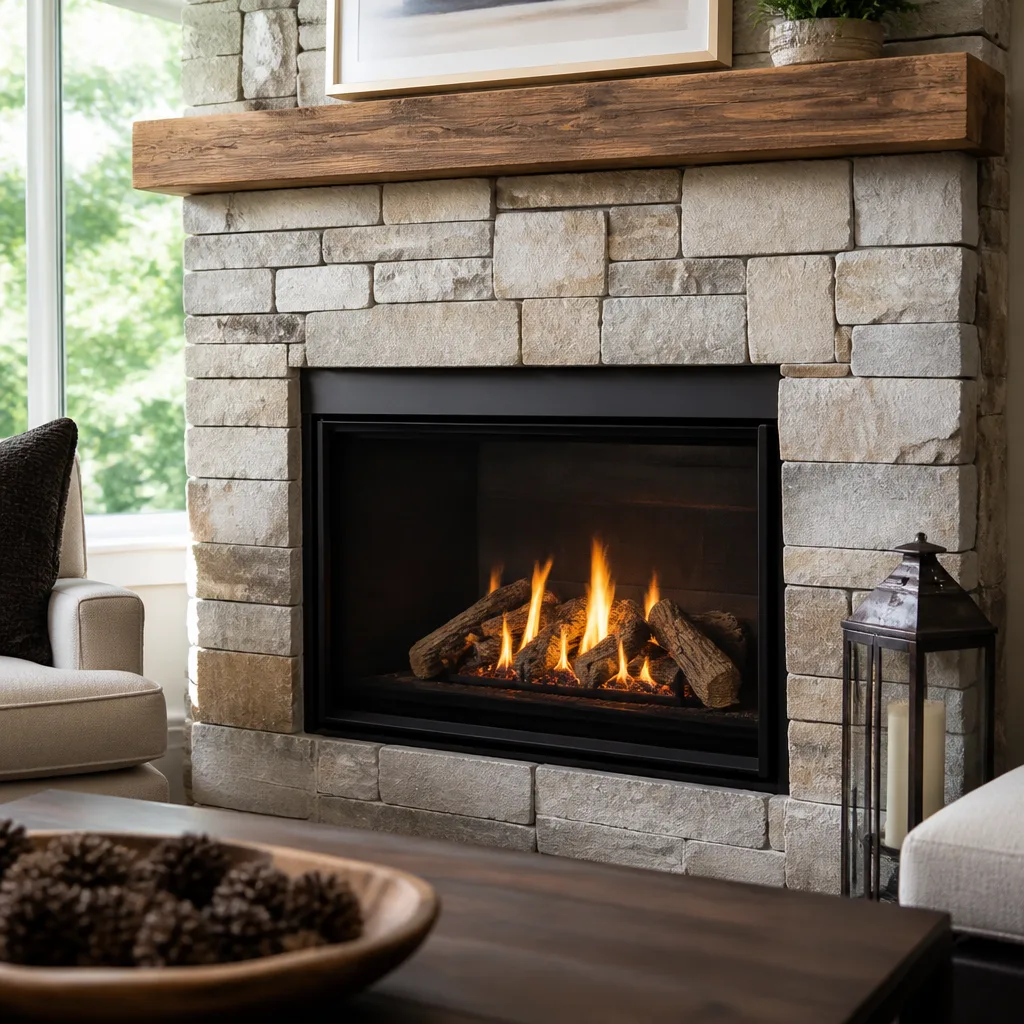 Gas fireplace service
Level 1 sweep and inspection to the NFPA 211 annual standard - flue, crown, cap, and flashing checked and photographed
Chimney sweep logs do not sweep chimneys. They loosen some creosote - which then falls where a brush and vacuum still have to collect it.
Chimney Cleaning Warning Signs: A Roslindale Homeowner’s Reference Guide
Most chimney warning signs are described in alarmist terms that leave homeowners unsure whether to call a sweep or call 911. That gap between “monitor this” and “stop using the fireplace tonight” is where people get lost, and it’s the reason some Roslindale homeowners ignore real problems while others panic over a harmless white stain. We work on chimneys exclusively, so we’ve spent a lot of time learning to sort one kind of sign from the other. This guide grades the warning signs you can actually see and smell by how urgent they are, explains what each one tells you about the flue system above the firebox, and gives you a plain test for when to call now, when to schedule a sweep, and when to take a photo and bring it up at your next inspection.
Quick Answer
A white mineral stain on the chimney exterior is a monitor-and-watch sign, while smoke entering the room with the damper closed is a stop-using-it sign. Most chimney warning signs fall into three categories: exterior masonry signals (efflorescence, spalling brick, an open crown crack), interior firebox signals (debris, rust patterns, smoke staining), and draft signals during a fire (lazy flame, smoke rollout, a persistent odor after the fire is out). The severity depends on which category you’re seeing and how far it has progressed, not on how dramatic it looks from the ground.
Styles & brands we work with
- Sweep & inspection
- Caps & crowns
- Flue relining
- Masonry repair
- Gas fireplace service
Table of Contents
- What exterior warning signs tell you, graded by urgency
- What the inside of your firebox reveals about the flue above
- Draft and combustion signals during an active fire
- Reading the smell: creosote, wood smoke, and moisture
- How chimney inspections are graded and why it matters
- Why Roslindale roofs and older masonry weather the way they do
- Call now, schedule a sweep, or mention it next time
What exterior warning signs tell you, graded by urgency
The exterior of your chimney is the part you can inspect from the ground without touching anything, and it’s where the first honest signals show up. Grade what you see into three tiers. Efflorescence – a white, powdery mineral stain – means water is moving through the masonry and leaving salts behind. It’s a monitor sign, not a panic sign, but it means moisture is finding a path in. Spalling brick faces, where the surface of the brick flakes or pops off, means water has been freezing and thawing inside the brick itself and it has moved into the schedule-soon tier. An open crack in the crown with a visible gap, or a crown that has separated from the flue, is in the address-before-next-use tier.
The crown is the concrete slab at the top of the chimney that sheds water away from the flue. When it cracks and separates, water flows straight down into the structure instead of running off. That’s why we specify chimney cap & crown work whenever we find water damage inside a flue: the cap and crown are the two most common points of water intrusion, and fixing the flue without fixing the top just repeats the problem next season.
Here’s how we grade the most common exterior signs:
- White powdery stain (efflorescence): Monitor. Water is passing through; watch for progression and mention it at your annual inspection.
- Flaking or popped brick faces (spalling): Schedule. Freeze-thaw damage is active and will keep getting worse.
- Open crack in the crown, or crown pulling away from the flue: Address before next use. Water is getting directly into the system.
- Rust stains on the exterior or the cap: Investigate. Something metal is corroding, usually from moisture that shouldn’t be there.
- Missing or loose cap: Schedule. Without a cap, rain, animals, and debris go straight into the flue.
Every one of these signs is easier and cheaper to fix early, before the damage spreads from the crown into the flue lining and the surrounding masonry.
What the inside of your firebox reveals about the flue above
The firebox is the first thing you see when you open the damper, and the condition of it tells you a surprising amount about what’s happening in the flue system above it. Firebox signals are read in context: a little ash is normal, but debris that falls back down into the firebox – flakes of creosote, chunks of masonry, pieces of the liner – means the flue is shedding material and needs inspection before the next fire. Rust patterns inside the firebox or around the damper frame point to moisture, and moisture in a firebox almost always comes from above: a failed crown, a missing cap, or a liner that’s letting water past.
Smoke staining is another one worth knowing. Where the staining shows up tells you where the system is failing:
- Staining inside the firebox only: This is often ordinary use, especially on a firebox that’s been there a while. Mention it, but it’s low on the list.
- Staining spilling out over the firebox face or the fireplace surround: Smoke is escaping the firebox during fires, which means draft is being lost. This is a combustion signal, not just a cosmetic one.
- Staining up the face of the chimney breast and toward the ceiling: Smoke is getting past the damper or the smoke chamber and into the room. Stop using the fireplace and get an inspection.
- A dark, uneven band right at the damper frame: Smoke is backing up at the damper. Sometimes a damper that won’t open fully, sometimes a flue that’s partially blocked.
Debris in the firebox is the one interior sign we treat most seriously, because it usually means the flue is losing material above the smoke chamber. That’s an inspection-grade finding, not a “clean it up and carry on” finding. The whole point of an inspection is to see what’s happening above the firebox with a camera before anyone commits to a repair. When you book a chimney sweep with us, the camera inspection and photo report come with it.
Draft and combustion signals during an active fire
Draft signals show up while the fire is burning, which makes them easy to observe and easy to dismiss. A lazy flame that won’t build, smoke rolling out of the firebox opening, or a fire that won’t stay lit are all signs the flue isn’t pulling the way it should. The mechanical causes are usually one of four things: a flue that’s blocked or narrowed by creosote, a flue that’s too short or the wrong size for the firebox, a house that’s running negative pressure because exhaust fans are pulling air out faster than the chimney can pull it in, or a damper that isn’t opening fully.
Smoke rollout with the damper closed is the single clearest stop-using-it signal we know. If you open the damper and the rollout continues, there’s a draft problem serious enough that the fire needs to go out. Here’s what we check for, in order, when a fireplace won’t draft:
- Confirm the damper is open and operating freely.
- Check the firebox for fallen debris that could be blocking the smoke path.
- Look at the flue from the top, with a camera, for creosote buildup, a nest, or a collapse.
- Confirm the flue is the right size for the firebox opening.
- Check for pressure problems – bathroom fans, range hoods, a tightly sealed house.
A lazy flame with the damper open is almost always a flue problem, so a damper that’s stuck half-closed can imitate a blocked flue. Those two causes look identical from the couch, and they have completely different remedies. That’s why we camera-inspect before recommending anything: it’s how you tell the difference without guessing.
Reading the smell: creosote, wood smoke, and moisture
Chimney smell is one of the most useful warning signs and one of the most misread. Three different smells get lumped together, and telling them apart tells you a lot about what’s going on:
- Creosote smell: Sharp, tar-like, and acrid. It’s strongest on a warm, humid day when the fire is out and the flue is warm and the air is still. A creosote smell that gets worse in warm weather usually points to a buildup on the flue walls.
- Normal wood smoke: The smell of a working fire while it’s burning. It shouldn’t linger long after the fire is out and the flue has cooled. If it lingers for hours after the fire is out, that’s not a working-fire smell; it’s smoke backing into the house.
- Moisture smell: Damp, musty, earthy. This usually comes from water getting into the masonry through a failed crown or a missing cap, and it often shows up together with the exterior white staining described above.
A persistent creosote smell after the fire is out, especially when the fire hasn’t been lit for a while, is a schedule-a-sweep signal. A persistent smoke smell after the fire is out is a draft or blockage signal, more urgent. A damp smell means moisture, and moisture needs the top of the chimney inspected before the masonry deteriorates further. Fires that burn slowly and smokily – damp wood, a closed-down air supply – deposit more creosote than hot fires do, so a chimney that’s only ever seen slow smoldering fires builds up faster than one that sees hot burns. That’s worth knowing when you’re trying to decide how urgent the smell is.
Carbon monoxide is the smell you’ll never notice, because it has no odor. A blocked or cracked flue can let it into the home, and a working carbon monoxide alarm is the only reliable way to know. If your alarm sounds, get everyone out and call emergency services before calling us.
How chimney inspections are graded and why it matters
Chimney inspections come in levels, and knowing the levels helps you understand what a sweep is actually doing up there. A Level I inspection covers the readily accessible parts of the chimney and firebox without special tools, and it’s what you get with a routine annual sweep. A Level II inspection adds a camera run through the flue and covers the accessible parts of the attic, crawl space, and chimney exterior. A Level II is the right call when you’ve seen a warning sign, when the home has changed hands, or after any chimney fire or event that might have damaged the liner. A Level III opens up concealed parts of the chimney and is only for situations a camera can’t resolve.
In practice, most of the warning signs in this guide point to a Level II inspection, because they’re signs of a problem the outside surface won’t show. We offer standalone inspections so you can get an honest assessment before committing to any repair. Nothing gets recommended without camera evidence you can see for yourself in the photo report, and that report also tells you plainly when something can safely wait. If your chimney qualifies, we can resurface a compromised liner with HeatShield rather than replace the whole liner; the inspection tells you whether that path applies.
One caveat worth stating clearly: a chimney crown, flue liner, and firebox carry real risk if they’re worked on by someone without the training. Liner work and masonry repair aren’t homeowner-level projects, and a wrong repair can make a flue more dangerous than leaving it alone. When something is recommended, it should be done by a trained chimney professional, and you should see the evidence before agreeing to it.
Why Roslindale roofs and older masonry weather the way they do
Roslindale’s housing stock is a big part of why these warning signs show up the way they do here. A lot of the neighborhood’s homes were built with brick chimneys and clay tile liners, and many of those liners have had decades of deferred maintenance by the time someone notices a symptom. That combination – older clay liners, original masonry, and a crown that may never have been repointed – means the “monitor” signs in this guide tend to appear sooner here than they would on a newer house. The freeze-thaw cycle is the other factor: when water gets into masonry and then freezes, the brick face spalls and the crown cracks widen. Roslindale sees that cycle every winter.
The flues themselves are often offset or corkscrewed rather than straight, which makes the inside harder to inspect without a camera. That’s the practical reason we rely on DuraFlex flexible liner systems for relining older flues: a flexible stainless-steel liner can follow an offset flue where a rigid one can’t. Whether a flue needs a full reline or can be resurfaced depends entirely on what the camera finds, and that’s why the inspection comes before any pricing conversation. Roslindale is full of chimneys where the right answer was a much smaller repair than the homeowner expected.
Call now, schedule a sweep, or mention it next time
Here’s the sorting test we use. It comes down to three questions: is there an active fire in the equation, is water getting in, and is the flue shedding material?
Call now (stop using the fireplace) if:
- Smoke enters the room with the damper open or closed.
- Your carbon monoxide alarm sounds.
- You smell burning or a chemical smell coming from the chimney area, or you’ve had a chimney fire.
- There’s visible fire or glowing material anywhere other than the firebox.
Schedule a sweep or inspection soon if:
- Debris falls into the firebox.
- The crown has an open crack or has separated from the flue.
- You see spalling brick or the white efflorescence stain has spread.
- A creosote smell persists after the fire is out.
- You haven’t had the chimney inspected since before you moved in, or you can’t remember the last sweep.
Take a photo and bring it to your next inspection if:
- There’s a light, powdery stain with no other symptoms.
- A single brick face is flaking with no other damage around it.
- You notice staining inside the firebox only, with no smoke spill.
When in doubt, the safe move is to stop using the fireplace and get an inspection. The cost of an inspection is nothing compared to the risk of running a flue with an open crown crack or a damaged liner.
Common Mistakes to Avoid
- Painting over a water stain or a spalling brick. Paint traps moisture inside the masonry, and the freeze-thaw cycle next winter will make the damage worse. Find the source before you cover the sign.
- Treating a lazy flame as a wood problem. A lazy flame with the damper open is usually a flue or draft problem. Moving to drier wood won’t fix a blocked or undersized flue.
- Assuming a lack of smell means a clean flue. Creosote buildup doesn’t always produce a smell, and by the time it does, it’s often significant. A sweep is on a schedule for a reason.
- Burning soft, damp, or unseasoned wood to “use up” the stack. Slow, cool, smoky fires deposit more creosote than hot fires. A wet stack in a Roslindale winter is a fast way to build up a problem.
- Skipping the inspection because the fire burns fine. A chimney can look and draft fine while its crown has a hidden crack or its liner has a crack the camera would catch. The signs don’t always announce themselves.
- Hiring a general handyman for liner or crown work. A chimney is its own system. Liner and crown work needs to be done by someone whose whole trade is chimneys, not a job squeezed in between other work.
- Waiting until spring to look at a crack you found in fall. Winter freeze-thaw is when a small crown crack becomes a big one. If you found it, address it before the season that makes it worse.
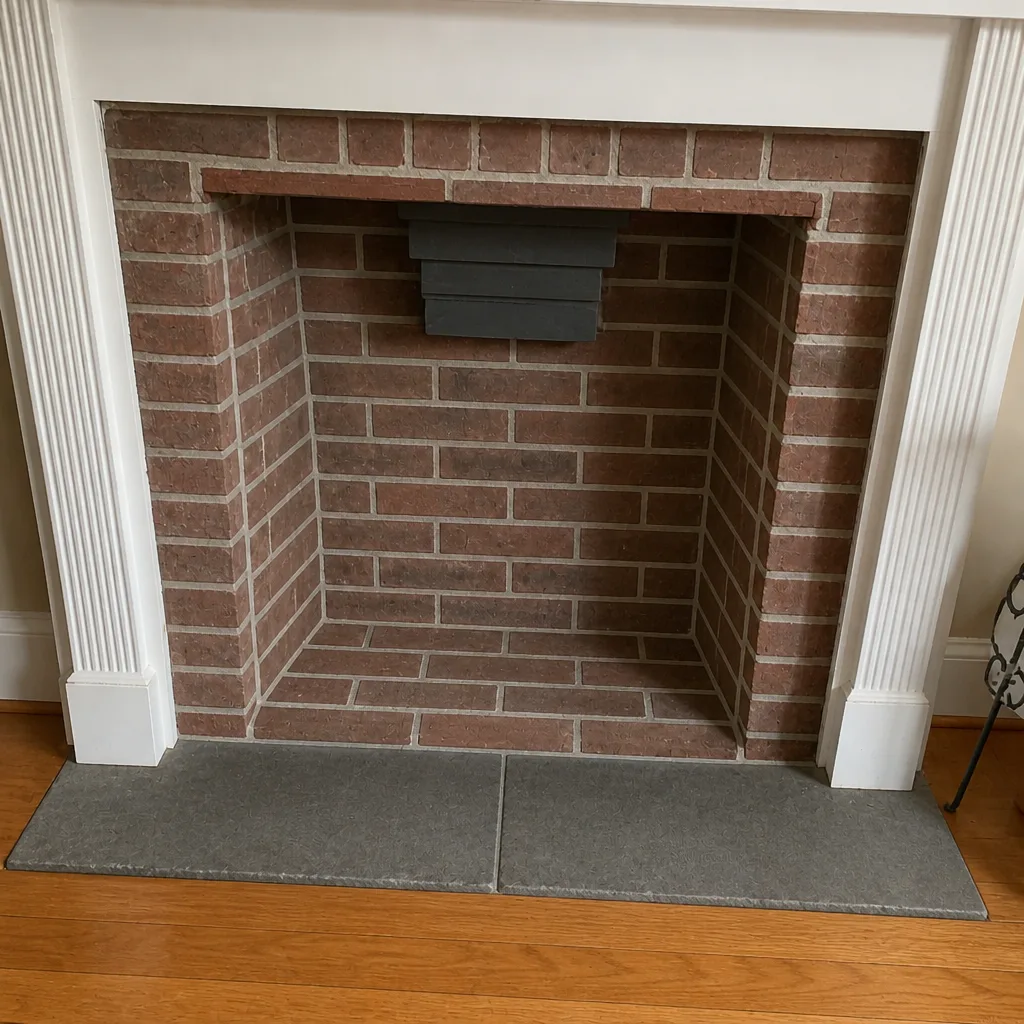
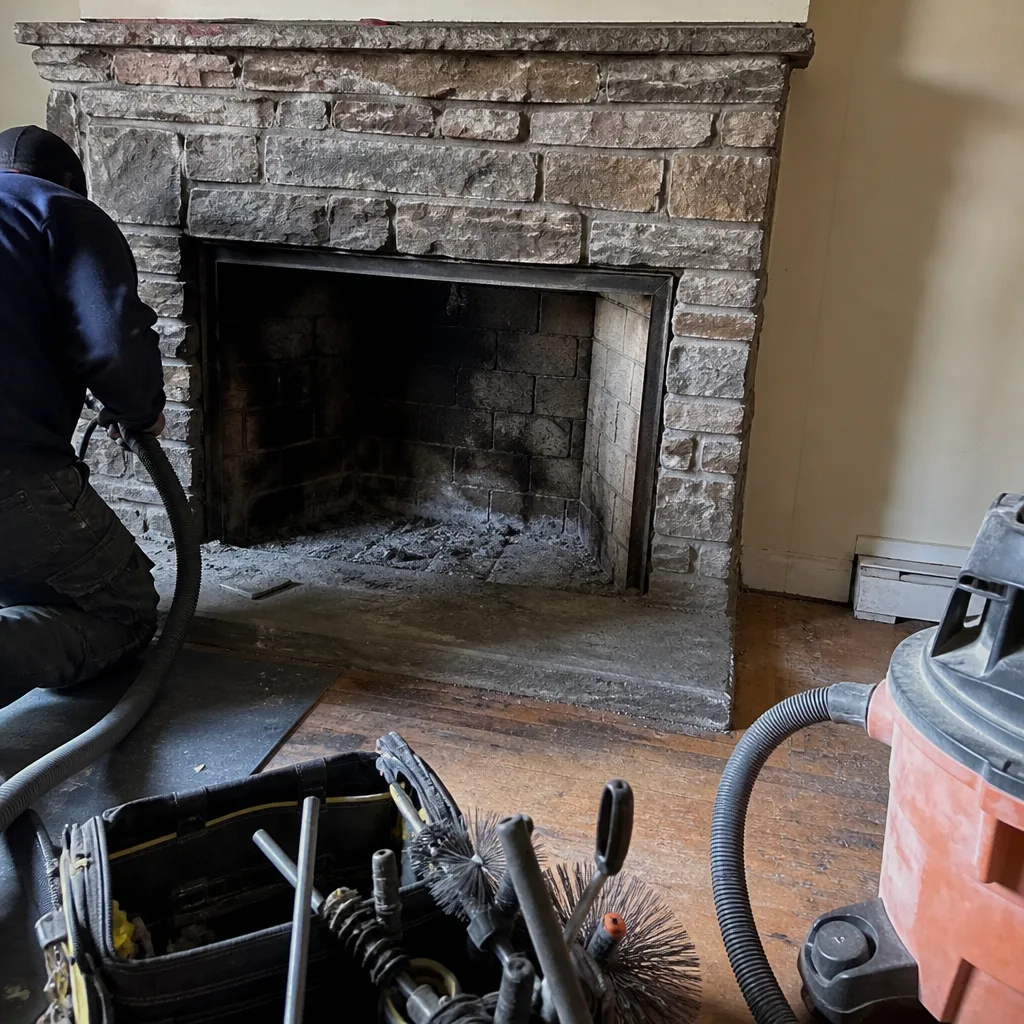
See the difference
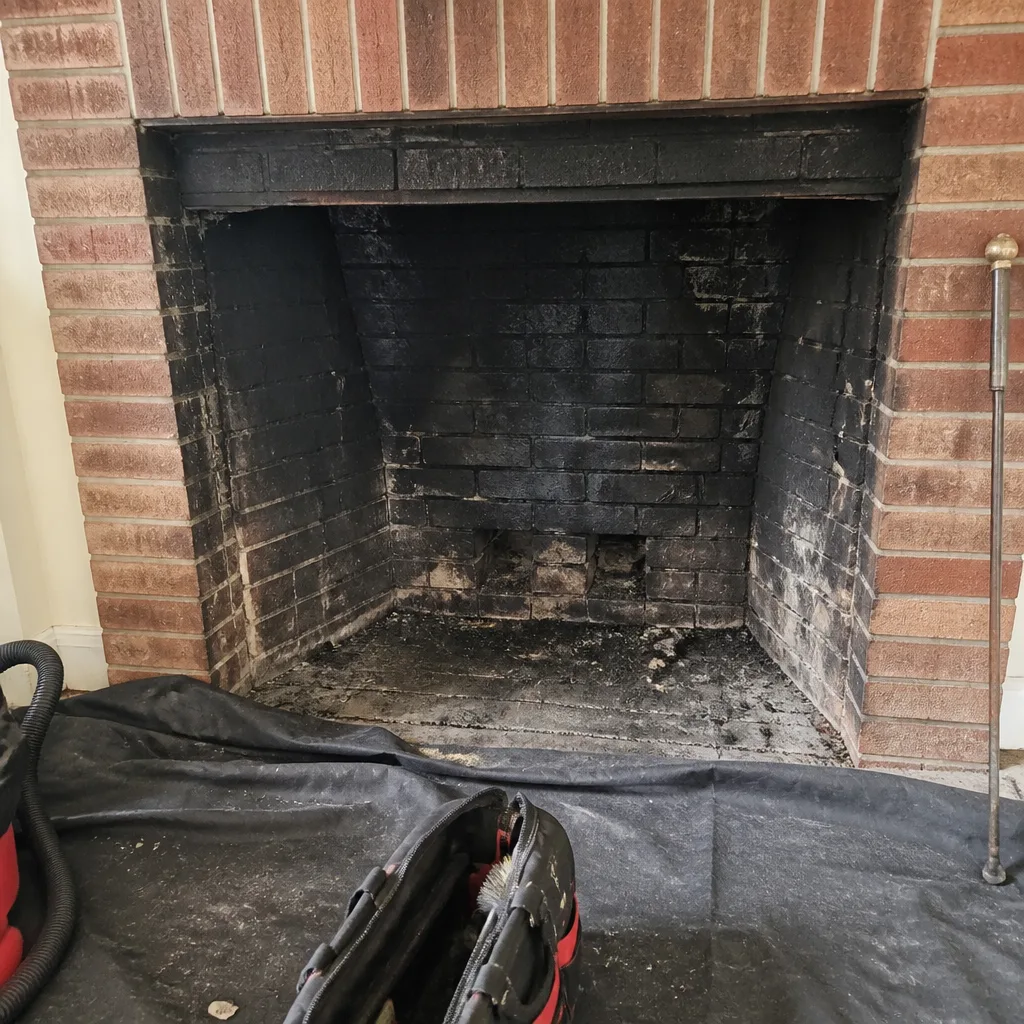 Before
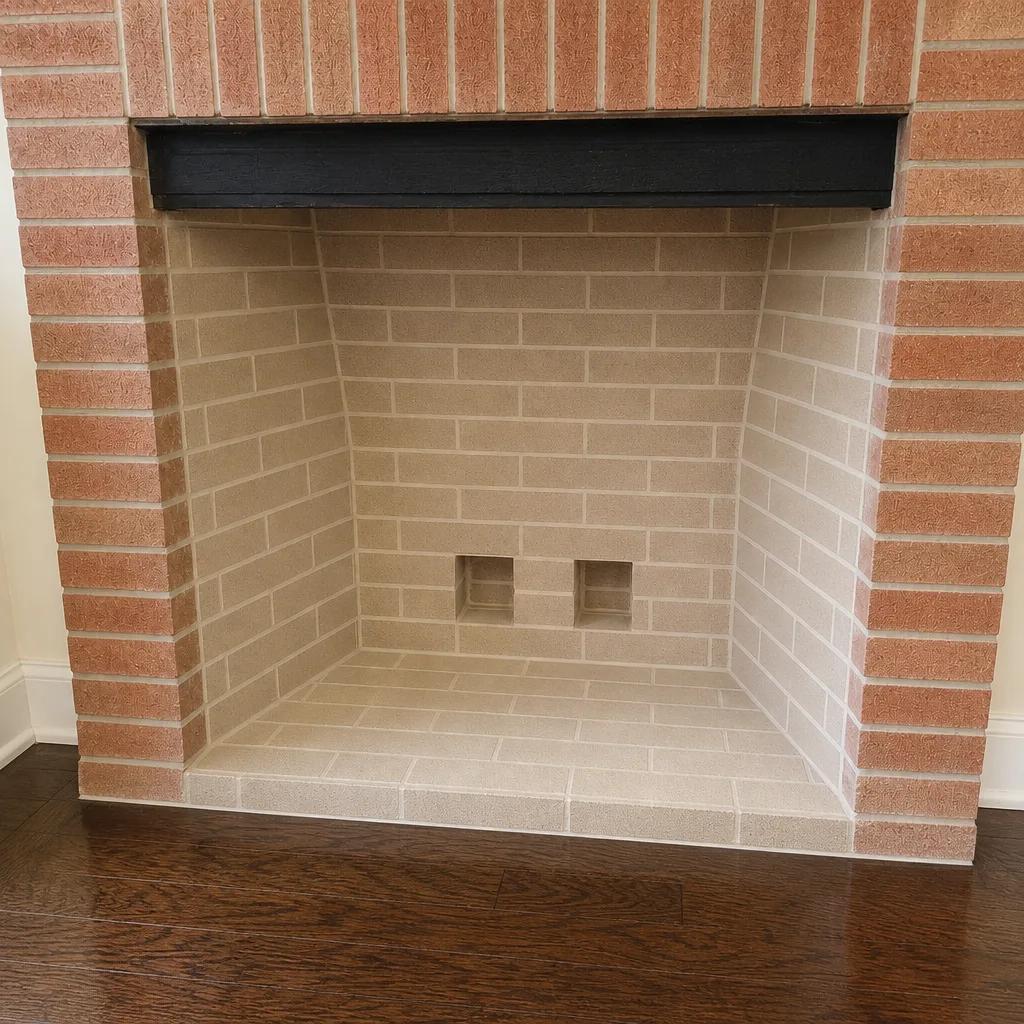 After
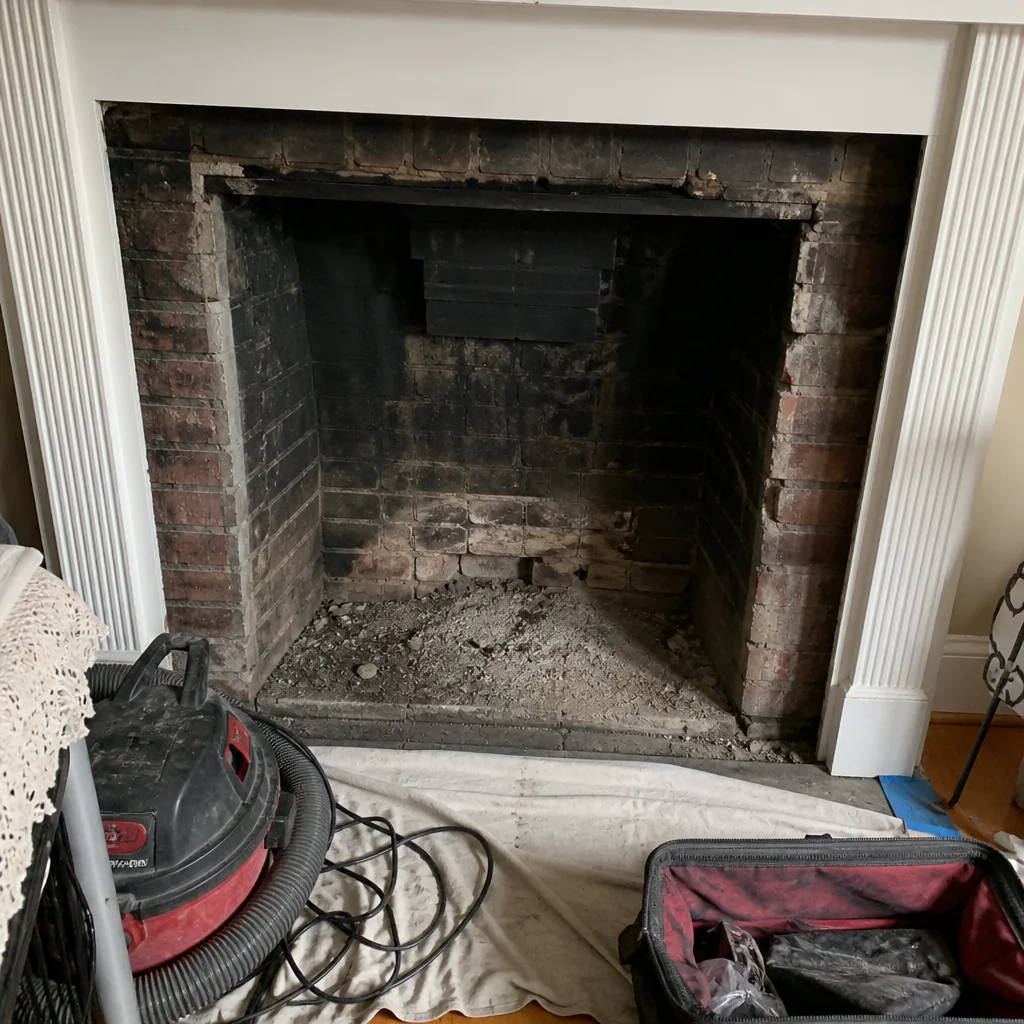 Before
 After
 Before
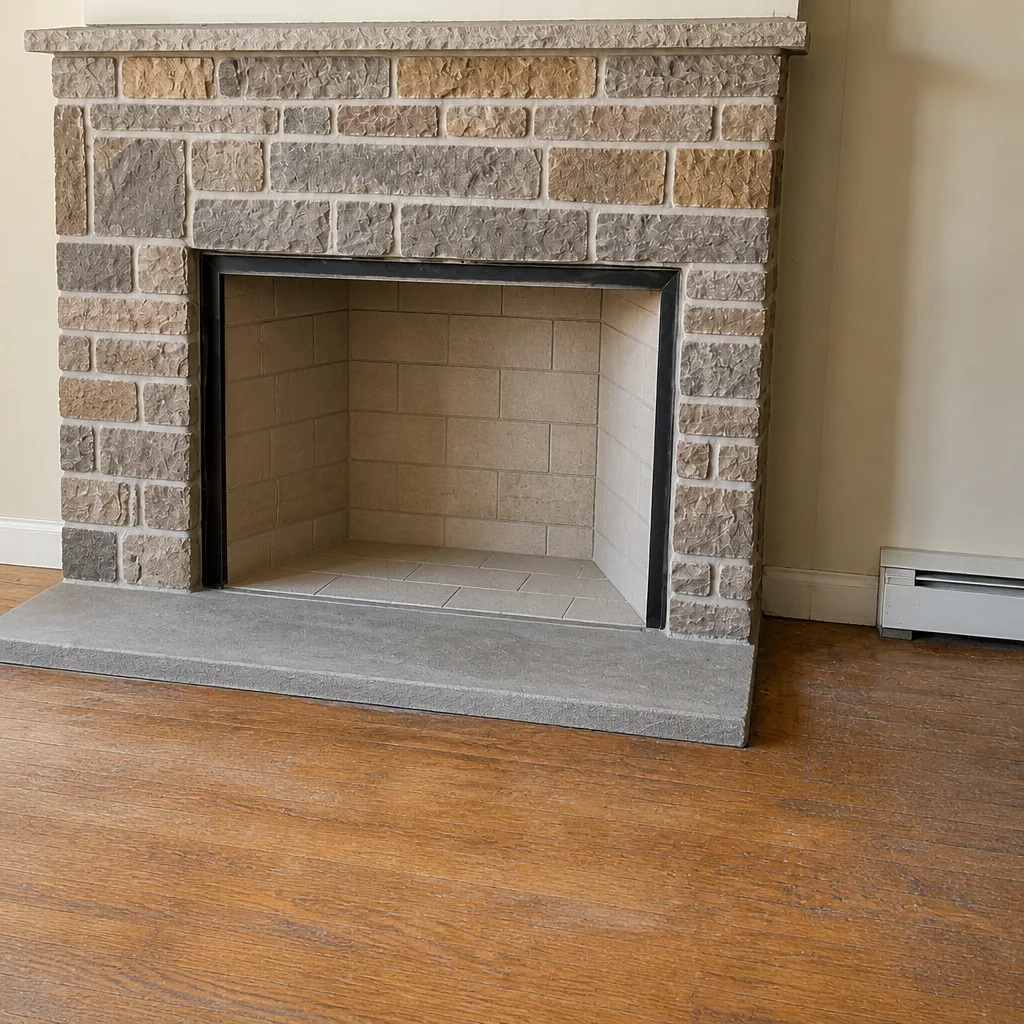 After
When to Call a Professional
Call a professional if smoke enters the room, if your carbon monoxide alarm sounds, if the crown has an open gap, if debris is falling into the firebox, or if you’ve had a chimney fire. Schedule an inspection or sweep if you see spalling brick that’s spreading, a crack in the crown, a persistent creosote smell, or a lazy draft you can’t explain. The chimney is one of the most liability-sensitive systems in the house, and a camera inspection is the only reliable way to know what’s happening above the firebox. Chimney Sweep Roslindale offers free estimates in Roslindale – call (844) 420-1248. We answer 24/7, and fast dispatch runs from 7am to 7pm, Sunday through Friday.
Frequently Asked Questions
A chimney should be swept at least once a year if you burn wood regularly, and inspected even if you burn only occasionally. The sweep is to remove creosote buildup, and the inspection is to catch structural issues the sweep can’t. A homeowner who burns every winter in Roslindale should be on an annual schedule. Call (844) 420-1248 for an exact quote – estimates are free.
Only if the inspection shows the liner is cracked, shedding, or unsafe, and the camera report should show you exactly why. A liner that’s intact doesn’t need replacing, and if it’s compromised but still eligible, resurfacing with HeatShield can avoid the cost of a full reline. Nothing gets recommended without camera evidence you can see. Call (844) 420-1248 for an exact quote – estimates are free.
Nothing dramatic, until it is. Creosote keeps building, the crown crack keeps widening with each freeze-thaw, and a blocked or damaged flue can eventually let smoke or carbon monoxide into the house. There’s no reliable way to know how close you are to a problem without an inspection. Call (844) 420-1248 for an exact quote – estimates are free.
No. A white mineral stain (efflorescence) means water is moving through the masonry, and it’s a monitor sign rather than an emergency. What you want to watch for is progression: if the stain is spreading or you also see brick faces flaking, that moves up the list. Call (844) 420-1248 for an exact quote – estimates are free.
A crown with an open gap shouldn’t wait, because water gets straight into the chimney structure and into the flue. A hairline surface crack with no gap is lower on the list and can usually be monitored. The inspection tells you which one you’re looking at. Call (844) 420-1248 for an exact quote – estimates are free.
Yes, though the signs look a little different. A gas fireplace can show smoke staining at the venting, a smell that persists after the fire is off, or signs of water getting in through the cap and crown. It still needs an annual inspection. We work on both wood-burning and gas fireplace systems. Call (844) 420-1248 for an exact quote – estimates are free.
The Bottom Line
Chimney warning signs fall into three readable categories – exterior masonry, interior firebox, and active-fire draft signals – and each one has a clear place on the urgency scale. Efflorescence and a single flaking brick are monitor signs. Spalling brick, an open crown crack, a creosote smell that lingers after the fire is out, or debris in the firebox are schedule-soon signs. Smoke entering the room or a carbon monoxide alarm means stop using the fireplace and call. The camera inspection is what separates the three, and the photo report is what lets you decide for yourself. If you’re in Roslindale and something on this list has you unsure which tier you’re in, that’s a good time to call. For fireplace repair beyond the flue system, our fireplace repair page has more detail, and you can always book a standalone inspection through Chimney Sweep Roslindale.
Call Chimney Sweep Roslindale at (844) 420-1248 for a free estimate. We answer 24/7. Fast dispatch from 7am to 7pm, Sunday through Friday. Our technicians have up to 11 years of experience, and we work exclusively on chimneys – it’s the only system we service.
Written by the team at Chimney Sweep Roslindale.