
Last updated November 25, 2026
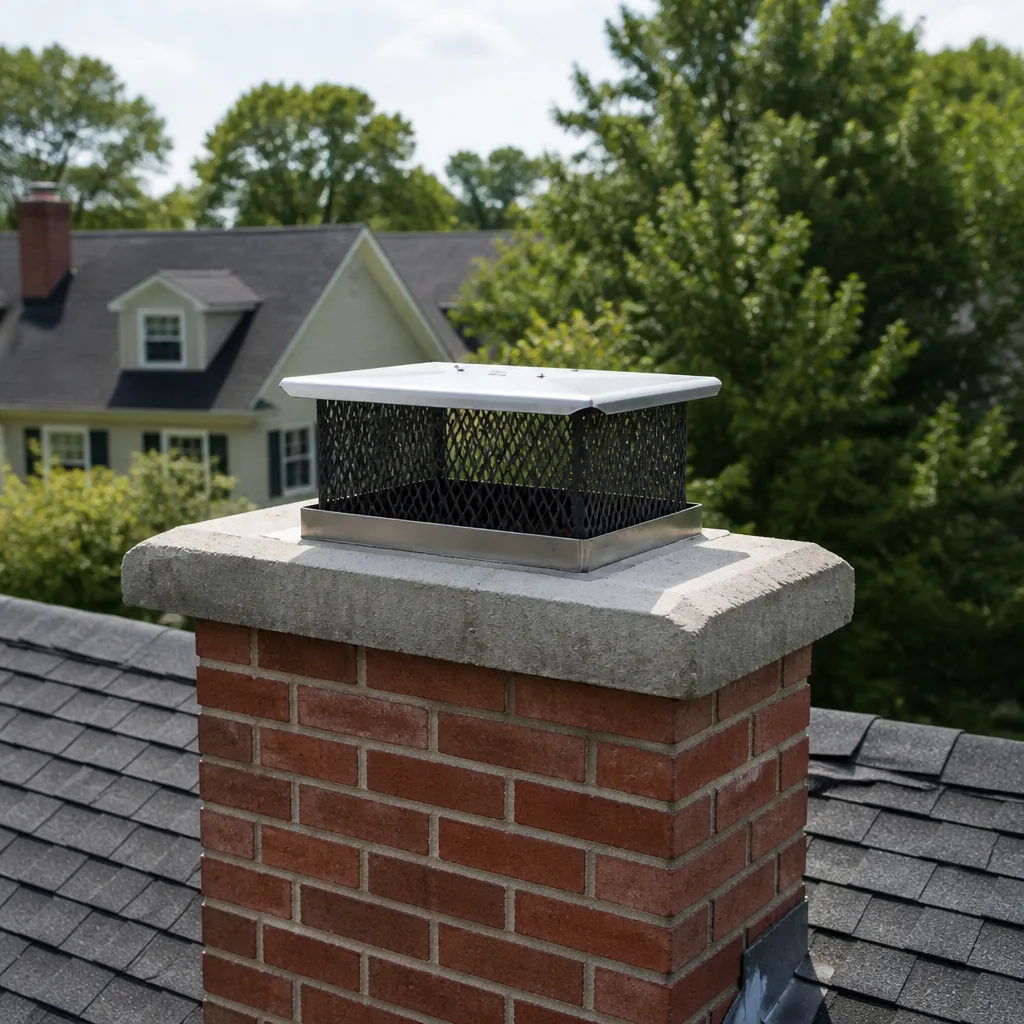 Sweep & inspection
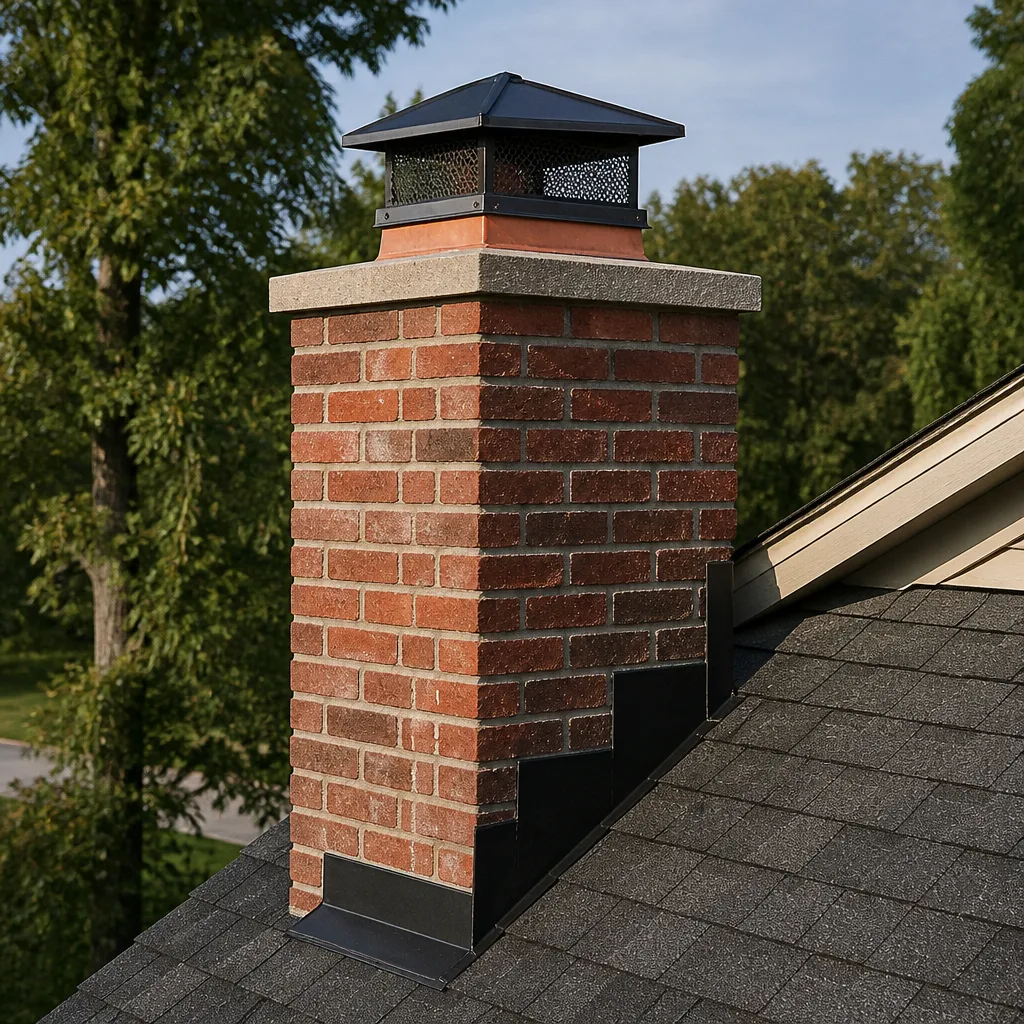 Caps & crowns
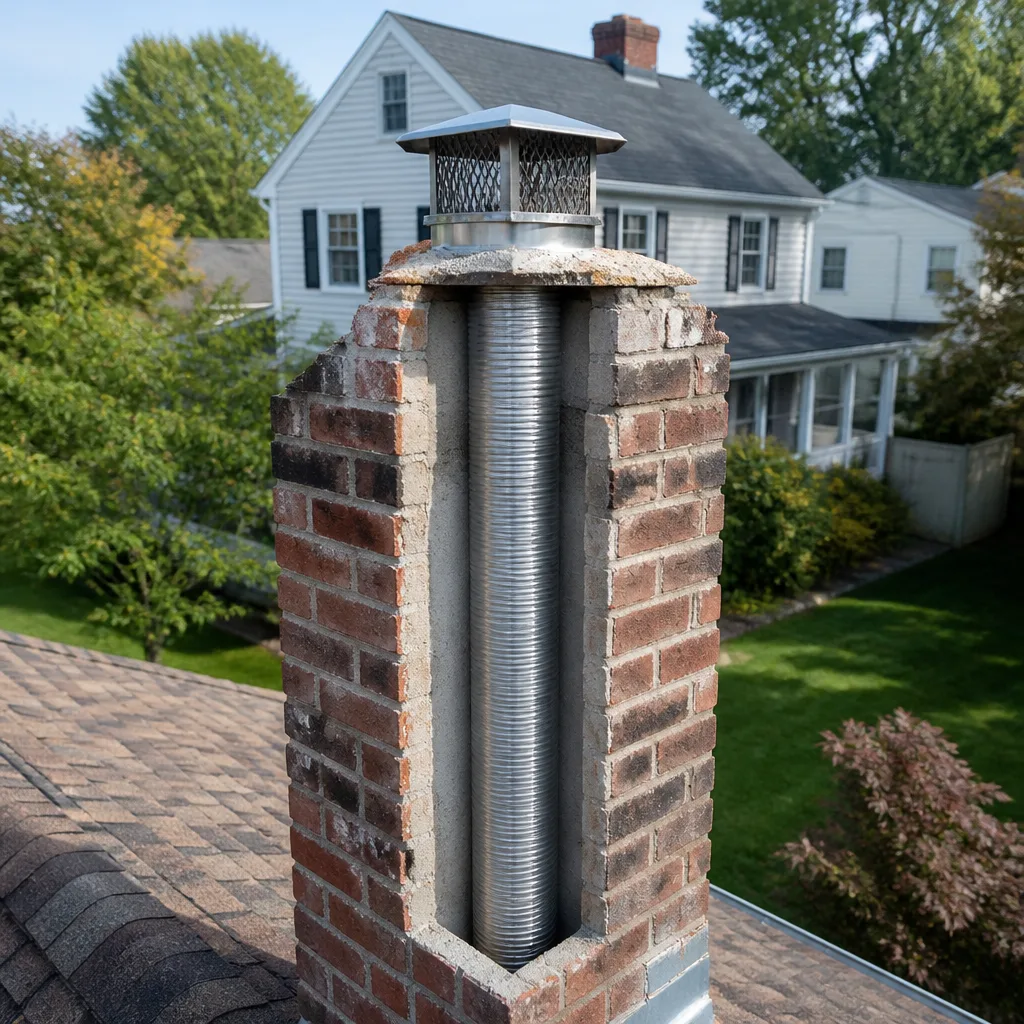 Flue relining
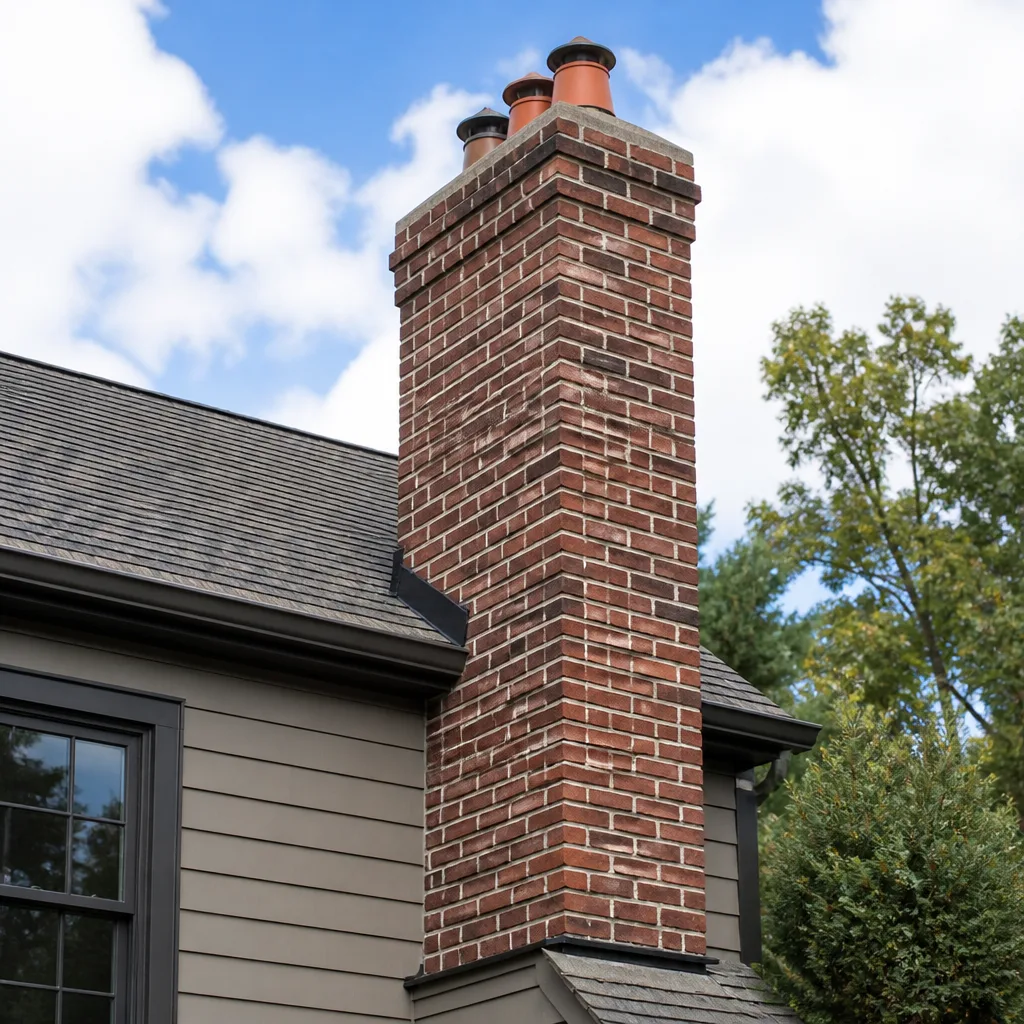 Masonry repair
 Gas fireplace service
Level 1 sweep and inspection to the NFPA 211 annual standard - flue, crown, cap, and flashing checked and photographed
Chimney sweep logs do not sweep chimneys. They loosen some creosote - which then falls where a brush and vacuum still have to collect it.
Chimney Cleaning Permits, Codes & Inspections in Roslindale, MA: What You Need to Know
Here’s the line most homeowners miss: the cleaning itself doesn’t need a permit, but almost everything a cleaning turns up usually does. A stainless liner installation, a crown rebuild, a firebox repair, structural masonry work on the stack – those fall under the Massachusetts State Building Code, and Boston’s Inspectional Services Department enforces it. The confusion between routine maintenance and permitted construction is exactly how Roslindale homes end up carrying unpermitted work that surfaces years later during a buyer’s inspection. In this guide we’ll walk through which chimney tasks are exempt, which ones pull a permit, what NFPA 211 requires at each inspection level, and how to protect yourself with a written report.
Quick Answer
Chimney sweeping and routine maintenance in Roslindale, MA do not require a permit, but repairs and alterations – including stainless liner installation, crown replacement, firebox repair, and structural masonry work – do require a permit under the Massachusetts State Building Code, administered locally by Boston’s Inspectional Services Department (ISD). Inspections are held to NFPA 211, the national chimney standard referenced by Massachusetts code, and a valid inspection should produce a written report that classifies the chimney at Level I, II, or III.
Styles & brands we work with
- Sweep & inspection
- Caps & crowns
- Flue relining
- Masonry repair
- Gas fireplace service
Table of Contents
- What Actually Needs a Permit in Roslindale?
- How Boston ISD Handles Chimney Work Permits
- NFPA 211: The Inspection Standard Behind Massachusetts Code
- Sweep vs. Repair: Where the Legal Line Sits
- The Home Sale Complication: Unpermitted Work
- Why a Written Inspection Report Protects You
- What to Ask Before Any Chimney Contractor Starts
What Actually Needs a Permit in Roslindale?
Routine chimney sweeping does not require a permit. Any work that changes the chimney’s structure, liner, or fire separation does. That distinction is the single most important thing to understand before you hire anyone for chimney work on a Roslindale home.
The Massachusetts State Building Code, which adopts the International Residential Code with state amendments, treats a chimney as part of the building’s structural and fire-safety envelope. When you alter that envelope – by relining, rebuilding, or replacing structural parts – you’re doing permitted work.
Here’s how the split typically breaks down:
- No permit required: Chimney sweeping, visual inspection (Level I), cap installation over an existing flue, minor firebox mortar touch-ups that don’t alter the firebox dimensions, and routine maintenance of dampers or screens.
- Permit required: Installation of a stainless steel flexible liner (DuraFlex or equivalent), cast-in-place liner resurfacing such as HeatShield, crown rebuilds or replacements, flue tile replacement, firebox reconstruction, chimney breast or stack rebuilds, and any masonry repair that changes the structural footprint of the chimney.
Roslindale’s housing stock tilts old. Plenty of the triple-deckers and single-families around Roslindale Square and along the Washington Street corridor were built with unlined or clay-tile-lined flues that predate modern code. That means a cleaning today frequently reveals a liner that a modern code inspector would flag – and if a contractor proposes to fix it, the scope usually crosses the permit line. A full-scope chimney sweep and inspection tells you what you’re dealing with before you commit to anything structural.
How Boston ISD Handles Chimney Work Permits
Chimney permits for Roslindale properties are issued by Boston’s Inspectional Services Department, since Roslindale is a Boston neighborhood. ISD is the authority having jurisdiction, not a separate Roslindale or Suffolk County office, and that matters when a contractor tells you they “handle the town.”
What ISD expects on a chimney permit application, in practical terms:
- A licensed contractor pulling the permit. The permit is filed in the name of the licensed professional doing the work – typically a licensed construction supervisor for structural and masonry work, and a licensed gas fitter where gas appliances are involved. Homeowners can pull permits in limited owner-builder situations, but a chimney specialist will pull it under their own credential.
- A scope of work matching the actual job. “Repair chimney” won’t fly. The application has to describe the liner replacement, crown rebuild, or firebox work specifically, with the materials and method.
- Inspection milestones. Structural and liner work generally needs at least one inspection before the work is closed in. A liner that gets installed without an inspection milestone may not pass the final.
- A final inspection and permit close-out. This is the document future buyers and insurers will ask for. Without it, the work exists but doesn’t count.
ISD also expects the work to conform to NFPA 211 as adopted into the state code. That’s the standard that governs clearances to combustibles, liner sizing, and venting. If a contractor can’t speak to NFPA 211 at all, that’s a signal they’re not doing permitted work.
NFPA 211: The Inspection Standard Behind Massachusetts Code
NFPA 211 is the national standard for chimneys, fireplaces, vents, and solid fuel-burning appliances. Massachusetts code references it, and every inspection that carries legal weight in Roslindale is conducted against it. The standard defines three inspection levels, and knowing which one you’re getting is essential.
Level I Inspection
A Level I inspection is the standard sweep-and-look. It covers readily accessible portions of the chimney, firebox, damper, and connector, and it’s what should accompany every annual cleaning. It’s what most Roslindale homeowners get when they call for routine service. It does not require access to concealed areas and does not involve a camera.
Level II Inspection
A Level II inspection is required when a property changes hands, when an appliance or fuel type changes, when a liner is being installed or replaced, or after a chimney fire or other event that may have damaged the flue. It includes a camera scan of the entire flue interior, access to concealed spaces, and inspection of the chimney exterior. Level II is the inspection that produces evidence – video and photos – a buyer or insurer will accept.
Level III Inspection
A Level III inspection is the deep investigation. It’s called for when a Level I or II reveals a hazard that requires access to concealed areas – removing masonry, cutting into a chase, or dismantling portions of the chimney to see what’s going on. Level III is rare and always tied to a specific reason.
Only a qualified chimney professional should conduct any of these. A general handyman with a flashlight is not delivering a Level II, no matter what the invoice says. When we run an inspection, we walk the homeowner through what we found in plain terms and put it in a written report. That report is the document that travels with the house.
Sweep vs. Repair: Where the Legal Line Sits
Sweeping is maintenance. Repair is construction. The moment a contractor’s recommendation shifts from “your chimney needs cleaning” to “your chimney needs a new liner,” the legal category of the work has changed – and so has the paperwork requirement.
A few practical rules of thumb:
- If the proposal involves removing or altering a liner, expect a permit.
- If the proposal involves rebuilding masonry above the roofline, expect a permit.
- If the proposal involves refacing the firebox, expect a permit.
- If the proposal is limited to a cap and a crown seal over an intact existing crown, ask the contractor whether the work needs a permit – sometimes it does, sometimes it’s maintenance, depending on the scope.
The honest answer is that chimney work sits right at the boundary, and the specific scope determines the category. That’s why the best protection a Roslindale homeowner has is a written inspection report with an NFPA 211 classification and a clearly scoped proposal. A chimney cap & crown replacement, for example, is often maintenance when the crown itself is intact and being sealed, and permit-level work when the crown is being rebuilt. The scope has to match the report.
Where a full reline gets proposed, it’s worth asking whether a less invasive path exists. Using HeatShield, we can resurface a compromised liner without a full replacement in eligible situations. That’s a real alternative when the flue is sound enough to hold the resurfacing material, and it changes both the cost and the permit picture. It’s not right for every chimney – a badly deteriorated flue still needs a new liner – but it’s worth asking about before you authorize a four-figure reline.
The Home Sale Complication: Unpermitted Work
This is where unpermitted chimney work catches up with Roslindale homeowners. A buyer’s inspector runs a camera down the flue during the home inspection, finds a stainless liner that was never permitted, and now the closing has a problem in it.
What actually happens in that scenario:
- The buyer’s chimney inspector files a report. In most cases, the inspector is looking at the liner and concludes the installation doesn’t have a documented permit history.
- The buyer’s attorney asks for documentation. If the seller can’t produce it, the work is treated as unpermitted construction.
- The lender or insurer may weigh in. Some insurers will refuse to cover a home with unpermitted liner work until it’s inspected and brought into compliance.
- Remediation is expensive. Bringing unpermitted liner work into compliance often means removing and reinstalling the liner so the work is inspected – even if the original installation was technically fine.
Roslindale’s older homes make this more likely, not less. When liners get installed by a homeowner or a general contractor in a hurry, ISD has no record of it, and the paper trail that would protect a future sale never gets created. The work may look right. It just doesn’t count.
The fix is prevention. If you’re having a liner installed, insist the permit is pulled and closed out. If you’ve inherited a home with a liner and no documentation, get a Level II inspection and ask the inspector to write the report in a way that will stand up to a buyer’s review. A standalone Chimney Sweep Roslindale inspection gives you that record without committing to repair work.
Why a Written Inspection Report Protects You
A written inspection report is the document that answers every downstream question about your chimney. It’s what a buyer’s inspector compares against, what an insurer accepts, and what a contractor uses to scope a proposal that matches the actual condition of the flue.
What a report worth keeping contains:
- The inspection level conducted – Level I, II, or III – and the specific standard applied (NFPA 211).
- Photos and video of the flue interior, including any liner, offset, or damage found.
- The chimney’s classification: lined or unlined, the liner type, and the flue condition.
- A findings summary noting observed deficiencies – cracks, gaps, missing mortar, crown damage, cap condition, spark arrestor, damper function.
- Recommendations with a clear split between what needs fixing now and what can safely wait.
That last point is the one that matters most in our experience. Not every finding is urgent. A hairline crack in the crown that isn’t yet causing water intrusion is not the same problem as a liner with a hole in it. The report should say which is which, and a contractor who can’t articulate the difference is telling you something about how they work.
A Level II report from a contractor authorized to work with HeatShield and DuraFlex systems is a specific document – the person writing it knows what the flue should look like and what the fixes involve. That’s the difference between an inspection that protects you and one that just generates a sales pitch.
What to Ask Before Any Chimney Contractor Starts
Before any chimney work begins on a Roslindale home, a handful of questions separates an honest contractor from one who’s cutting corners. Ask them directly and listen to the answers.
- “Will this work require a permit, and are you pulling it?” A contractor who hesitates on this question – or says “you don’t need a permit for chimneys” – is telling you something.
- “What’s the inspection level?” Level I is the sweep-and-look. Level II is camera-in-flue. If the answer is “we’ll just look at it,” you’re getting Level I.
- “Can you show me the report before the work starts?” Any honest inspector will walk you through findings before proposing a scope.
- “Which liner system and why?” DuraFlex flexible stainless and Olympia Chimney components are trade-grade; you want to know the contractor knows the difference between them and a builder-grade substitute.
- “Is the firebox work maintenance or reconstruction?” The answer determines whether a permit is in the picture. It also tells you whether the contractor understands the distinction.
- “What happens after the inspection – do I get documentation?” The answer should be yes, in writing, with photos.
A chimney specialist will answer every one of these in plain language. A generalist who also does siding and decks will treat the questions as friction. On a Roslindale property, that’s a reason to keep looking.
Common Mistakes to Avoid
- Treating a cleaning as a repair. Sweeping is maintenance; anything that changes the liner, crown, or firebox is construction. Confusing the two is the leading way homeowners end up with unpermitted work.
- Accepting “we’ll pull the permit” without seeing it pulled. On a Roslindale job, the permit is filed with Boston ISD – not the contractor’s home office. Ask for the permit number before work begins and check it closes out afterward.
- Skipping the Level II inspection when a liner is being installed or replaced. NFPA 211 requires it, and a report from a Level II is what a future buyer will expect to see.
- Hiring a general contractor for liner work. Permitted liner work needs a licensed professional who works with the specific liner system. Famco and Gelco components get specified for reasons – a generalist who “can install anything” usually can’t.
- Assuming a cap or crown replacement is always maintenance. Cap installation over an intact crown usually doesn’t need a permit; crown reconstruction usually does. Ask the contractor to draw the line for you in writing.
- Confusing an inspection with a cleaning. A sweep is not an inspection. If no report was produced, no inspection was performed in the NFPA 211 sense.
- Letting a repair proceed before you’ve seen the evidence. Chimney work that’s presented without photos, video, or a written classification is work you can’t verify – and can’t defend later if a buyer or insurer asks.
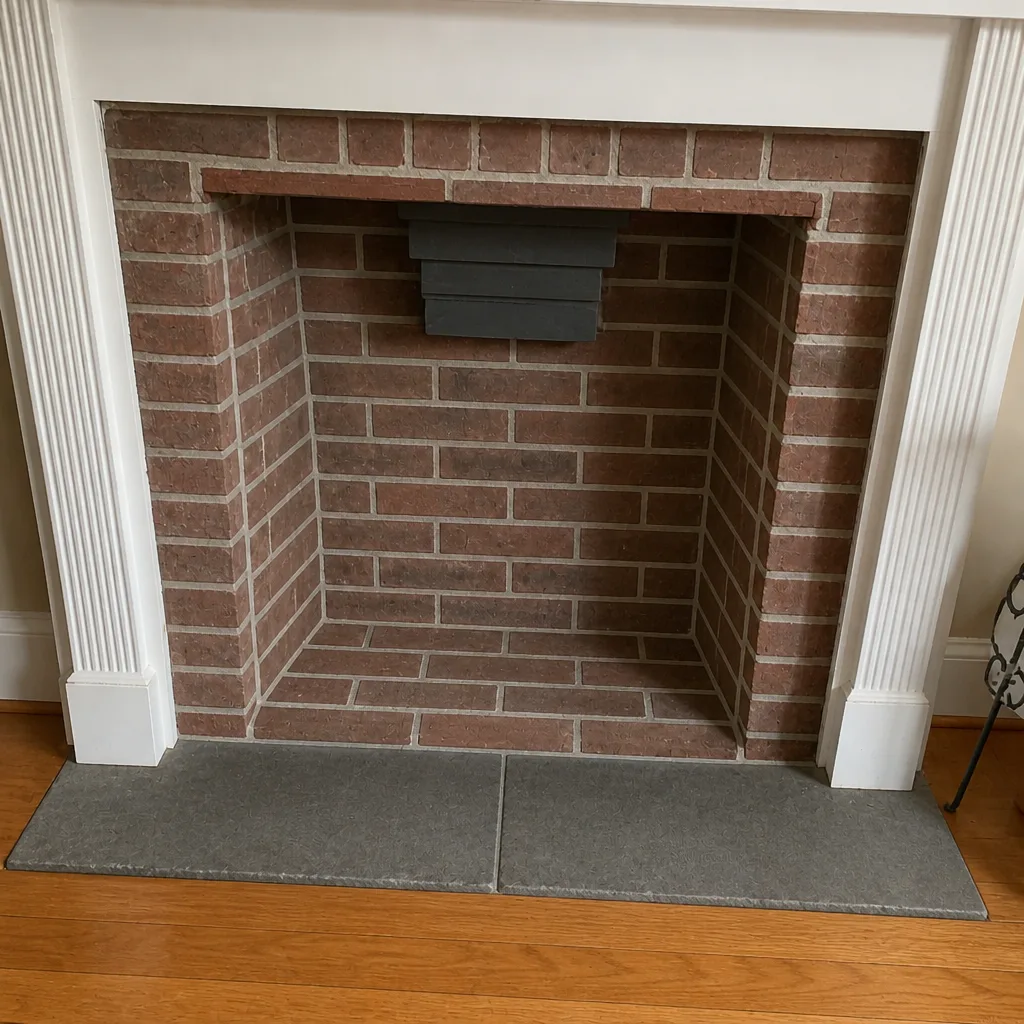
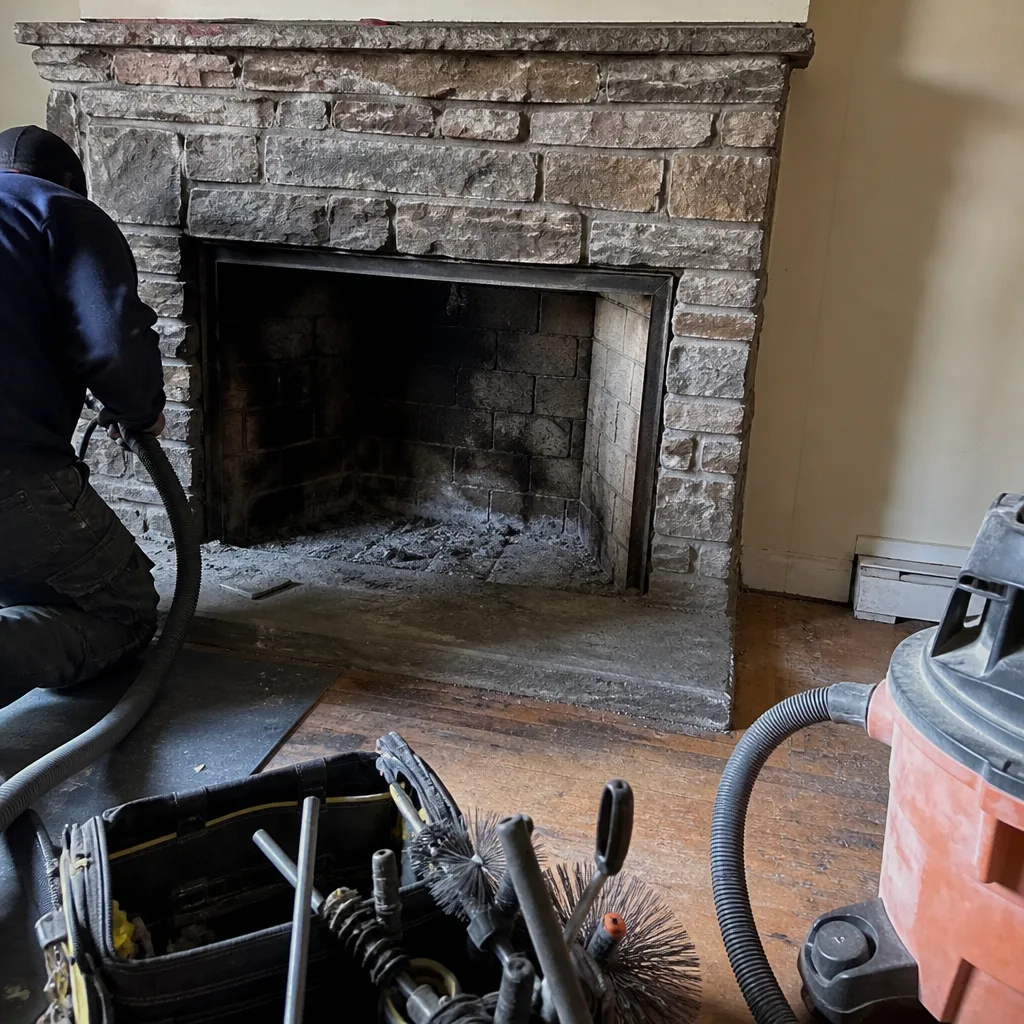
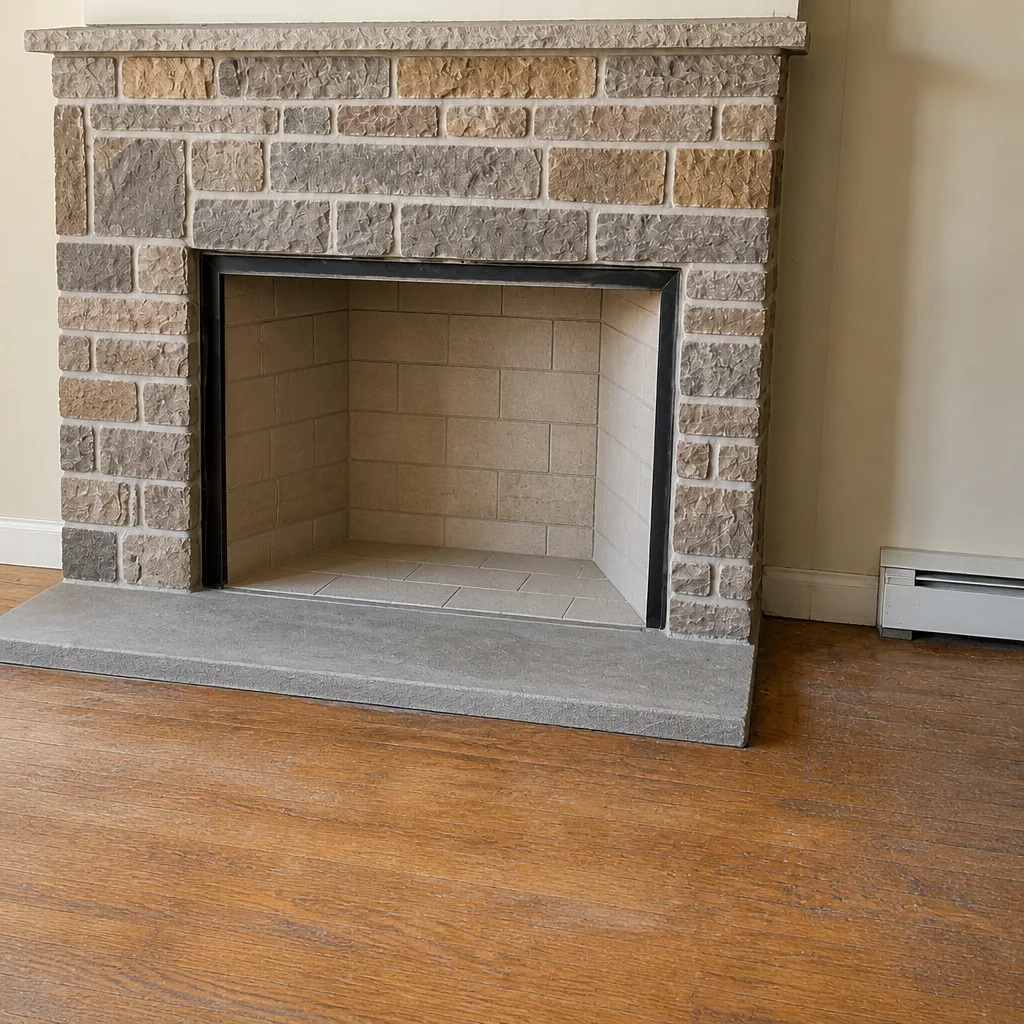
See the difference
 Before
 After
 Before
 After
 Before
 After
When to Call a Professional
Call a professional when the work touches the liner, the crown, the firebox, or the masonry – and call before authorizing any repair you couldn’t independently verify from a photo. If a Roslindale home inspector or a buyer’s inspection has flagged a chimney, that’s the moment to bring in a chimney specialist who can produce a Level II report and tell you what actually needs doing versus what can safely wait. Fireplace repair that changes the firebox dimensions, liner installation or replacement, and crown reconstruction are all permit-level work; those aren’t jobs for a generalist. A standalone inspection is worth doing before you commit to any repair scope. Chimney Sweep Roslindale offers free estimates in Roslindale – call (844) 420-1248.
Frequently Asked Questions
No. Chimney sweeping is routine maintenance and does not require a permit in Roslindale or anywhere in Massachusetts. The confusion arises because the repairs a cleaning often reveals – liner replacement, crown rebuild, firebox work – do require permits under the Massachusetts State Building Code. Call (844) 420-1248 for an exact quote on an inspection – estimates are free.
Any work that alters the chimney structure, liner, or firebox requires a permit. That includes stainless liner installation (DuraFlex or equivalent), cast-in-place resurfacing with HeatShield, crown rebuilds, flue tile replacement, firebox reconstruction, and any masonry work that changes the structural footprint of the chimney. Routine maintenance – sweeping, cap installation over an intact crown, minor mortar touch-ups – doesn’t. Call (844) 420-1248 for an exact quote – estimates are free.
Boston’s Inspectional Services Department expects a licensed contractor to pull the permit, a specific scope of work matching the actual job, inspection milestones before the work is closed in, and a final inspection that closes out the permit. That last document is what a future buyer or insurer will ask to see. Call (844) 420-1248 for an exact quote – estimates are free.
NFPA 211 is the national chimney standard referenced by Massachusetts code, and it defines three inspection levels. Level I is the standard annual sweep-and-look; Level II adds a camera scan and is required when a property changes hands, a liner is installed or replaced, or the fuel type changes; Level III involves opening concealed areas and is rare. Most Roslindale homeowners need a Level II when they’re buying, selling, or having liner work done. Call (844) 420-1248 for an exact quote – estimates are free.
It can. A buyer’s inspector who finds a stainless liner with no permit history will typically flag it, and remediation often means removing and reinstalling the liner so the work can be inspected – even if the original install was technically fine. Getting the permit pulled and closed out during the original work is the only reliable protection. Call (844) 420-1248 for an exact quote – estimates are free.
NFPA 211 recommends an annual inspection, with sweeping performed as needed based on how much the chimney is used and what’s being burned. Skipping cleaning allows creosote to build up in the flue; heavy creosote is combustible, and chimney fires are the direct consequence. The inspection is also how liner and crown problems get caught before they turn into masonry repairs. Call (844) 420-1248 for an exact quote – estimates are free.
The Bottom Line
Chimney cleaning is maintenance and doesn’t need a permit. Chimney repair and liner work do, under the Massachusetts State Building Code, enforced by Boston ISD. Roslindale homes carry enough older housing stock that cleaning frequently turns up liner and crown conditions that cross the permit line, and getting that work permitted and inspected is the difference between a documented chimney and one that shows up as a problem during a future sale. The two things that protect you are a Level II inspection report classified to NFPA 211 and a permit pulled, inspected, and closed out. Everything else is a sales conversation.
If you’re unsure which side of the permit line your chimney’s work falls on, start with an inspection. We work exclusively on chimneys – it’s the only system we service – and we can work with DuraFlex, HeatShield, Olympia Chimney, Copperfield, Famco, and Gelco components to match the right fix to what your flue actually needs. Call (844) 420-1248 for a free estimate. We answer 24/7. Fast dispatch from 7am to 7pm, Sunday through Friday.
Written by the team at Chimney Sweep Roslindale.