
Last updated November 25, 2026
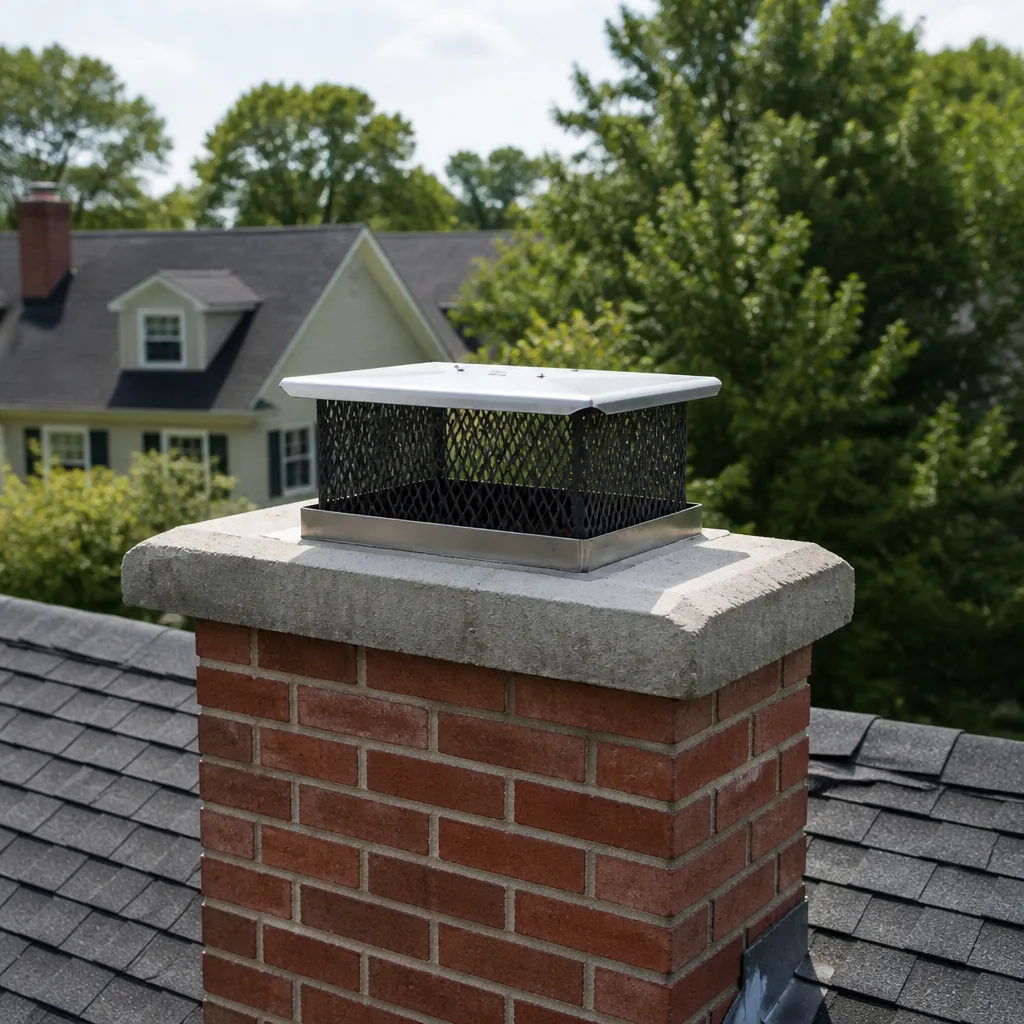 Sweep & inspection
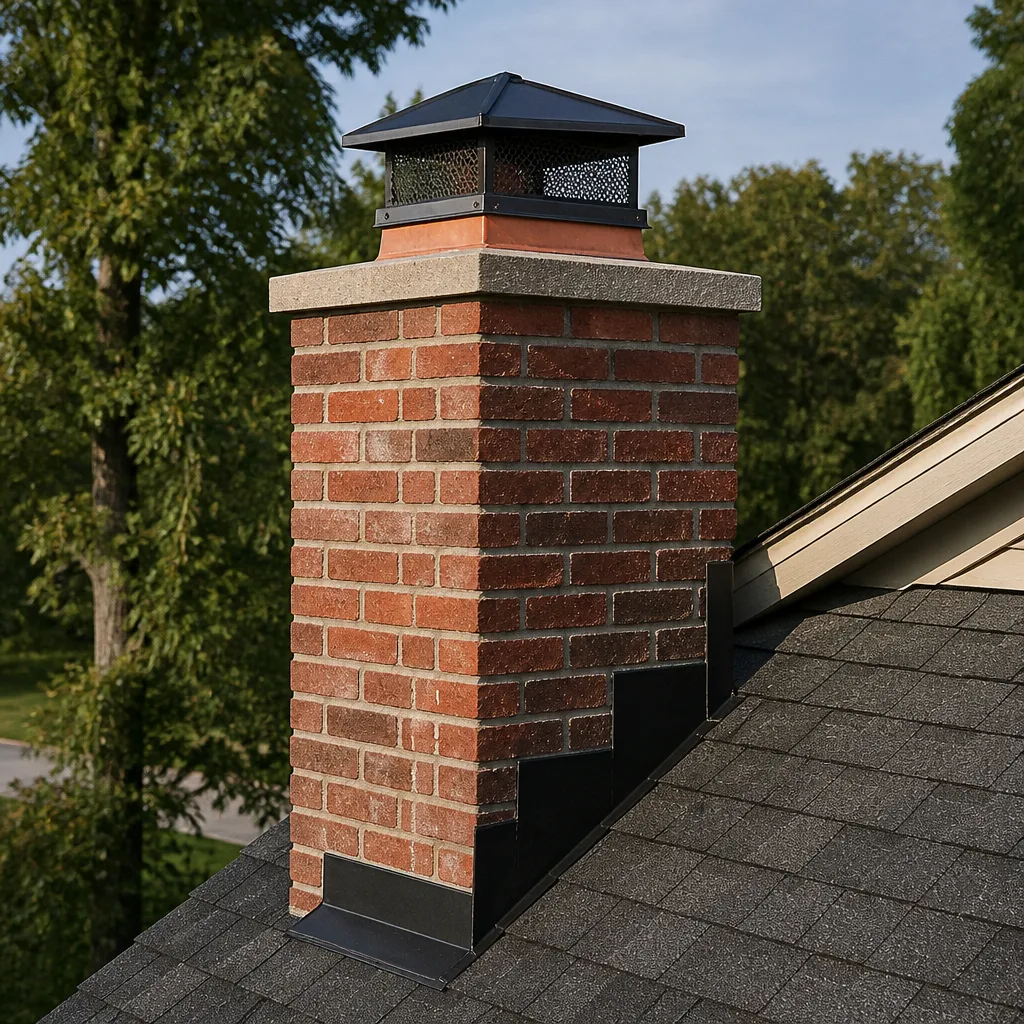 Caps & crowns
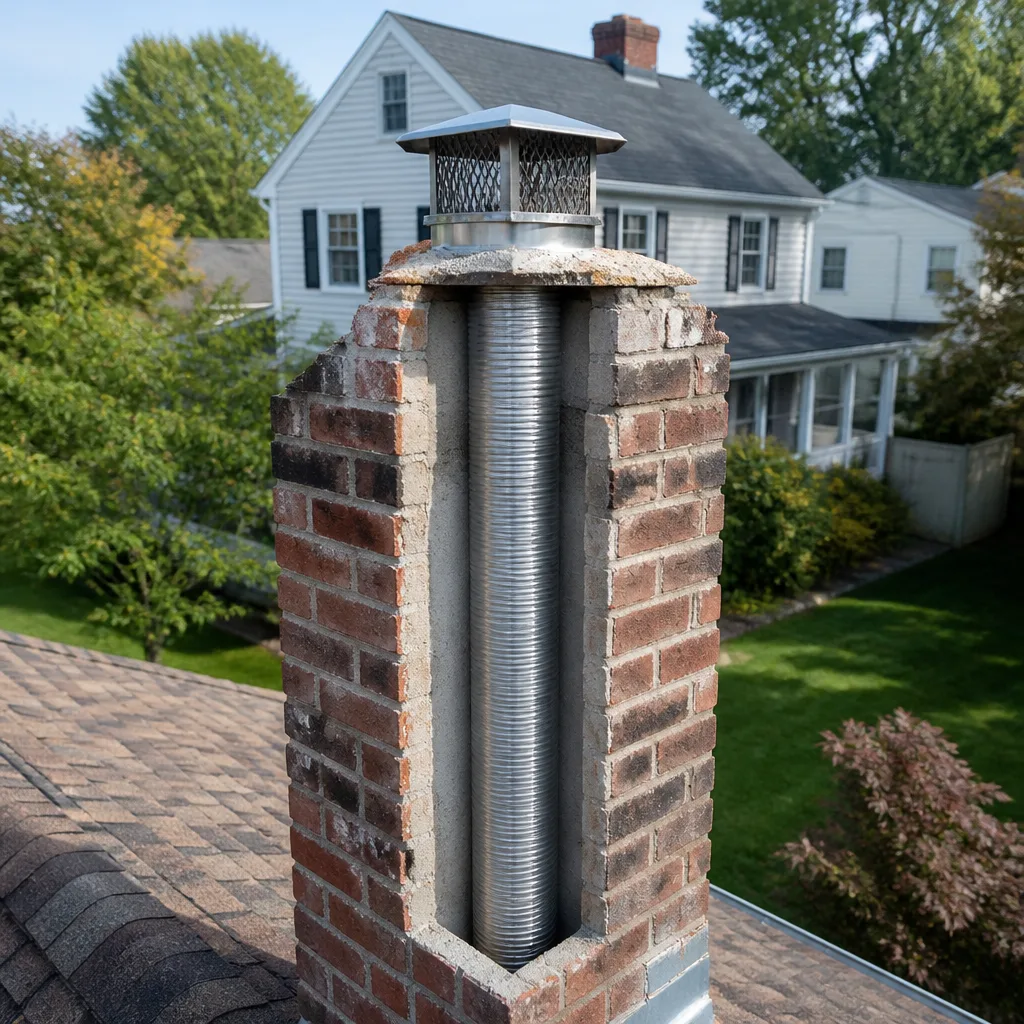 Flue relining
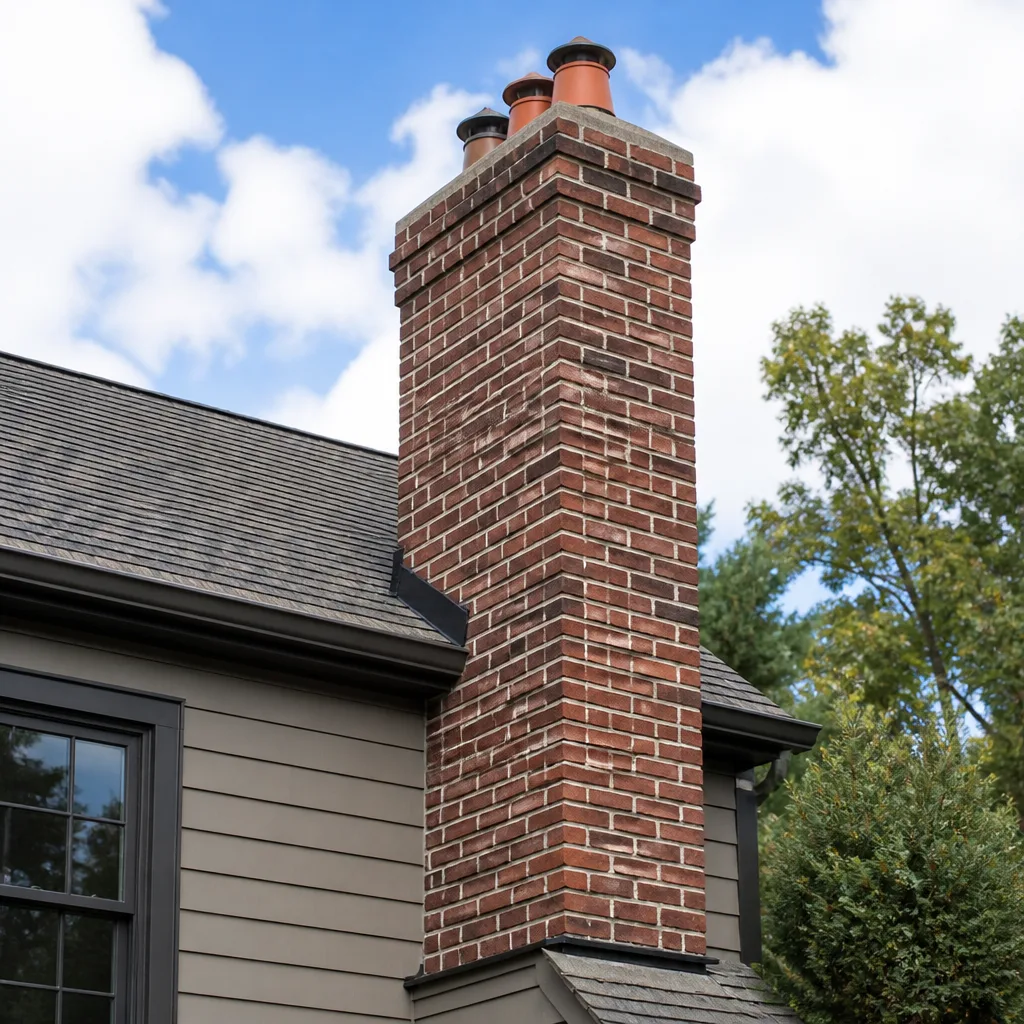 Masonry repair
 Gas fireplace service
Level 1 sweep and inspection to the NFPA 211 annual standard - flue, crown, cap, and flashing checked and photographed
Chimney sweep logs do not sweep chimneys. They loosen some creosote - which then falls where a brush and vacuum still have to collect it.
Chimney Cleaning Emergency Preparedness Guide for Roslindale Homes
A chimney fire doesn’t announce itself in advance. But the third-degree glazed creosote that fuels it usually spent two or three seasons building up while a homeowner burned green wood and skipped the annual sweep. That’s the part most preparedness advice skips: the emergency itself is rarely the beginning of the story. It’s the end of a slow chain of small maintenance decisions that stacked up quietly in the flue.
This guide is written for Roslindale homeowners who want to understand what actually happens inside a chimney during a fire or a carbon monoxide event, how the conditions in local housing stock make both more likely, and what maintenance discipline removes the fuel before ignition is possible. You’ll also find the specific actions to take if you ever suspect a chimney fire is happening, and the documentation steps that have to happen before anyone relights.
Quick Answer
Chimney fire preparedness in Roslindale comes down to three things: burn only seasoned wood so creosote can’t build to a flammable glaze, sweep at least annually so 2nd-degree deposits are removed before they harden into 3rd-degree fuel, and know the response sequence if a fire starts (evacuate, call 911, close the damper and air controls, and do not spray water into a hot flue). Any chimney fire, even a “quiet” one, requires a Level 2 inspection before the chimney is used again.
Styles & brands we work with
- Sweep & inspection
- Caps & crowns
- Flue relining
- Masonry repair
- Gas fireplace service
Table of Contents
- What Actually Happens During a Chimney Fire
- Why Some Chimney Fires Go Undetected
- Carbon Monoxide Risk and Chimney Draft Failure
- Eliminating the Fuel Source: Creosote and the Three Degrees
- Burning Seasoned Wood in a Roslindale Climate
- What to Do During a Suspected Chimney Fire
- After the Fire: Documentation and Level 2 Inspection
- Building a Prevention Calendar That Actually Works
What Actually Happens During a Chimney Fire
A chimney fire occurs when creosote deposits inside the flue ignite. The fire burns upward through the flue, drawing on the same draft that normally carries smoke out of the house. Within a short time, flue temperatures can climb high enough to warp metal liners, crack clay tile liners, and damage the mortar joints between them. The fire itself is often brief. The structural damage it leaves behind is what matters for months afterward.
The sequence is predictable:
- Ignition. A spark or a hot ember from the firebox reaches a creosote deposit that has formed on the flue wall.
- Rapid spread. The fire moves up the flue, consuming deposits along the way and accelerating as more fuel is exposed.
- Peak burn. Temperatures rise fastest in this phase. Liners and mortar joints take the most stress here.
- Collapse and burn-out. The fire consumes available fuel and drops back. The flue may still be hot for hours.
Clay tile liners in older Roslindale homes are the most vulnerable. Spalling and cracked tile joints are not visible from the firebox, but they open a path for heat, smoke and carbon monoxide into wall framing behind the chase. A stainless liner system installed by a specialist is far more tolerant of the heat, which is one reason flexible relining products like DuraFlex are specified for older flues with offsets or questionable tile.
Why Some Chimney Fires Go Undetected
Not every chimney fire produces a roar, a shaking flue pipe, or visible flames at the top of the stack. Slow, low-oxygen burns can consume creosote deposits without the homeowner hearing anything unusual. Roslindale’s older masonry chimneys, particularly those on interior walls with significant thermal mass, can absorb and buffer the sound and heat of a moderate fire to the point where the only sign is a faint popping or a smell that gets dismissed as normal wood smoke.
The signs that do show up are easy to miss if you’re not looking for them:
- Puffy, honeycombed creosote inside the flue discovered during a sweep
- Warped or discolored damper
- Heat-damaged mortar joints in the smoke chamber
- Creosote flakes or ash on the roof or gutter below the cap
- A crack in the flue tile visible during inspection
- A warped or heat-stained rain cap
The reason this matters: undetected chimney fires compromise the liner without the homeowner knowing. A subsequent fire starts with a weaker structure underneath it. In our experience, the most serious damage we find in Roslindale is on chimneys where the homeowner says they’ve never had a fire.
Carbon Monoxide Risk and Chimney Draft Failure
Carbon monoxide is a byproduct of incomplete combustion, and a chimney that drafts properly sends it up and out with the flue gases. The problem is what happens when the flue fails to draft: the gases, including CO, come back down. Modern homes make this worse. Tight-envelope construction, harder drafts on the building shell, and exhaust fans all lower the pressure inside the house, which competes with the chimney’s natural upward draft.
In Roslindale, the housing stock cuts both ways. Renovated older homes may be tighter than the chimneys were designed for. Unrenovated homes may have the reverse problem: a blocked flue from a fallen cap, a bird nest, or a deterioration of the liner that has narrowed or partially blocked the flue path. Either condition can push CO back into living space.
Draft failure conditions worth knowing:
- Smoke rolling back into the room when the fireplace is lit
- A fireplace that only works well when a window is cracked
- Exhaust fans (kitchen hood, bath fan) pulling smoke out of the firebox
- Blocked, damaged or deteriorated cap
- Liner deterioration narrowing the flue path
- Cracked flue tile allowing exhaust into wall cavities
Treat any of these as a reason to book a chimney sweep and inspection before lighting another fire.
Eliminating the Fuel Source: Creosote and the Three Degrees
Creosote is the unburned byproduct of combustion that condenses on the flue wall as smoke cools on its way up. It forms in stages, and each stage is progressively harder to remove and progressively more flammable. The entire goal of chimney cleaning is to remove deposits while they are still at 1st degree – while they are still soft.
- 1st-degree creosote: flaky, dusty, soot-heavy. Removed by a standard sweep with a brush.
- 2nd-degree creosote: sticky or tar-like, harder to remove. Requires more aggressive sweeping and often chemical treatment.
- 3rd-degree creosote: glazed, hard, fuel-grade. The most dangerous. Cannot be removed by brushing alone; requires rotary cleaning, chemical treatment, and in some cases replacement of the liner.
The transition from 2nd to 3rd degree is where most chimney fires are born. A homeowner who skips one season of sweeping on a chimney that already had a 2nd-degree deposit returns the next season to a glazed shell of fuel bonded to the tile. Cleaning it out costs far more than the annual sweep would have.
Two things make that transition happen faster here than homeowners expect: burning unseasoned wood, and burning at a low, smoldering setting to stretch the wood supply. Both produce more creosote than a clean, hot burn of dry wood ever would.
Burning Seasoned Wood in a Roslindale Climate
Seasoned wood is wood that has had time to dry. The moisture content target for fireplace use is under 20 percent, and the simpler test available to any homeowner is this: split a piece and check the freshly exposed face. If it feels cool and damp, it isn’t ready. Well-seasoned wood is light for its volume, has visible checking (cracks) in the end grain, and sounds hollow when two split pieces strike each other.
New England’s humid summers and short drying windows make seasoning in Roslindale slower than in drier regions. Two practices that reliably get the moisture down before the burning season:
- Split early. Whole rounds dry slowly because the bark holds moisture in. Split into fireplace-size pieces before the wood is stacked.
- Stack for airflow. Off the ground, off the wall, single row preferred, top covered but sides open. A tarp wrapped tightly around the stack traps moisture instead of releasing it.
Never burn construction scrap, treated lumber, painted wood, or cardboard in a fireplace. These produce corrosive exhaust and compounds that attack the liner itself, and some leave deposits that damage the flue more than creosote ever does. A hot, clean fire of dry, split hardwood is what keeps the flue path clear.
What to Do During a Suspected Chimney Fire
If you suspect a chimney fire is happening, act first and confirm afterward. The steps below are the sequence we want every homeowner to know.
- Get everyone out of the house. Adults, children, pets. Do not stop to gather belongings.
- Call 911. Tell them you suspect a chimney fire and give the address.
- Close the damper and the fireplace doors if you have them. This limits the oxygen feeding the fire in the flue. If the firebox is too hot to approach, leave it.
- If you can safely reach the firebox, close the glass doors or a screen. Do not open the doors to look inside.
- Do not spray water into a hot flue. Water hitting a liner at chimney-fire temperatures can crack the tile or warp the metal. Wait for the fire department.
- Once outside, watch the top of the chimney. Note whether you see smoke, sparks, or flames from the stack. Tell the fire department what you see when they arrive.
Things not to do: don’t climb on the roof, don’t try to extinguish the fire by throwing water or sand down the flue, and don’t relight the fireplace until the chimney has been inspected. The fire may look out from the firebox side while damage is active inside the flue.
After the Fire: Documentation and Level 2 Inspection
Any chimney fire – even one that seemed small – triggers a mandatory Level 2 inspection before the chimney is used again. NFPA 211, the standard that governs chimneys and vents, requires this. A Level 2 inspection is more thorough than an annual sweep: it covers the entire flue path, from the firebox up through the smoke chamber to the top of the stack, and it typically includes a camera inspection so the findings are documented and visible.
What a Level 2 inspection examines:
- The firebox and damper assembly
- The smoke chamber and smoke shelf
- The full length of the flue liner, including offsets and joints
- The chimney crown and the top of the stack
- The rain cap and its attachment
- Exterior masonry, where visible and accessible
For the documentation record: keep the fire department incident number if one was issued, and keep the inspection report with the photos and any camera footage. If you ever sell the home, that record protects you. The inspection also gives you the real basis for deciding whether the liner needs repair, resurfacing, or replacement. HeatShield resurfacing is one path forward for a chimney whose tile is compromised but structurally sound – a repair option that avoids full relining in qualifying situations.
Any structural repair work after a fire is safest in the hands of a specialist. We work exclusively on chimneys – it’s the only system we service – so the inspection, the chimney cap & crown work, and any liner decision all come from one set of trained eyes.
Building a Prevention Calendar That Actually Works
The most useful preparedness tool isn’t a fire extinguisher in the living room. It’s a calendar that reminds you when to sweep, when to inspect, and when to check the things that go wrong slowly. Built around the New England burning season, that calendar looks fairly simple:
- Late summer or early fall: book the annual sweep and inspection before the first fire. Deposits from last season are easiest to remove before the chimney is heated again.
- Before first burn: confirm the cap is intact, the damper opens and closes cleanly, and any firewood you’re planning to use passes the split-and-check test.
- Mid-season: glance at the chimney cap and the top of the stack from the ground. Discoloration, displaced caps, or creosote flakes on the roof are reasons to call.
- After any chimney fire, even a suspected one: book a Level 2 inspection before relighting.
- Spring: look at the crown and exterior masonry once the freezing season is past. Cracks that opened over winter will leak water into the flue all summer.
Chimneys that burn regularly need a sweep at minimum once a year. Chimneys that see heavy use – several cords a season, or daily burning through the winter – often need it twice. If you’re not sure which category you fall into, the honest approach is to have it inspected and then decide, rather than to guess.
Common Mistakes to Avoid
- Skipping the annual sweep because “the fire worked fine last year.” The fire working fine says nothing about what’s accumulated in the flue. Creosote builds whether or not the fireplace shows it.
- Burning wood that isn’t dry. In Roslindale’s humid climate, wood stacked in a covered pile can look seasoned and still be over 25 percent moisture. Split a piece and check before you burn.
- Roaring a fire to “burn off” suspected creosote. A hot fire on a glazed deposit is the classic ignition scenario. Creosote has to come out by mechanical cleaning, not by burning.
- Assuming a cracked crown is cosmetic. A cracked crown is the leading cause of water damage inside a chimney. That water damages the liner and the masonry behind it.
- Relighting after a suspected chimney fire without a Level 2 inspection. The visible side of the firebox can look fine while the liner has cracked.
- Using a generalist for chimney work. Chimney systems have their own code, their own liner specs, and their own failure modes. When a roofer or HVAC tech says the chimney “looks fine” from the ground, that’s an opinion rather than an inspection.
- Waiting until burning season to schedule a sweep. Fall is the busiest stretch for anyone working on chimneys. The sweep done in late summer gets done sooner and leaves time to address what it finds.
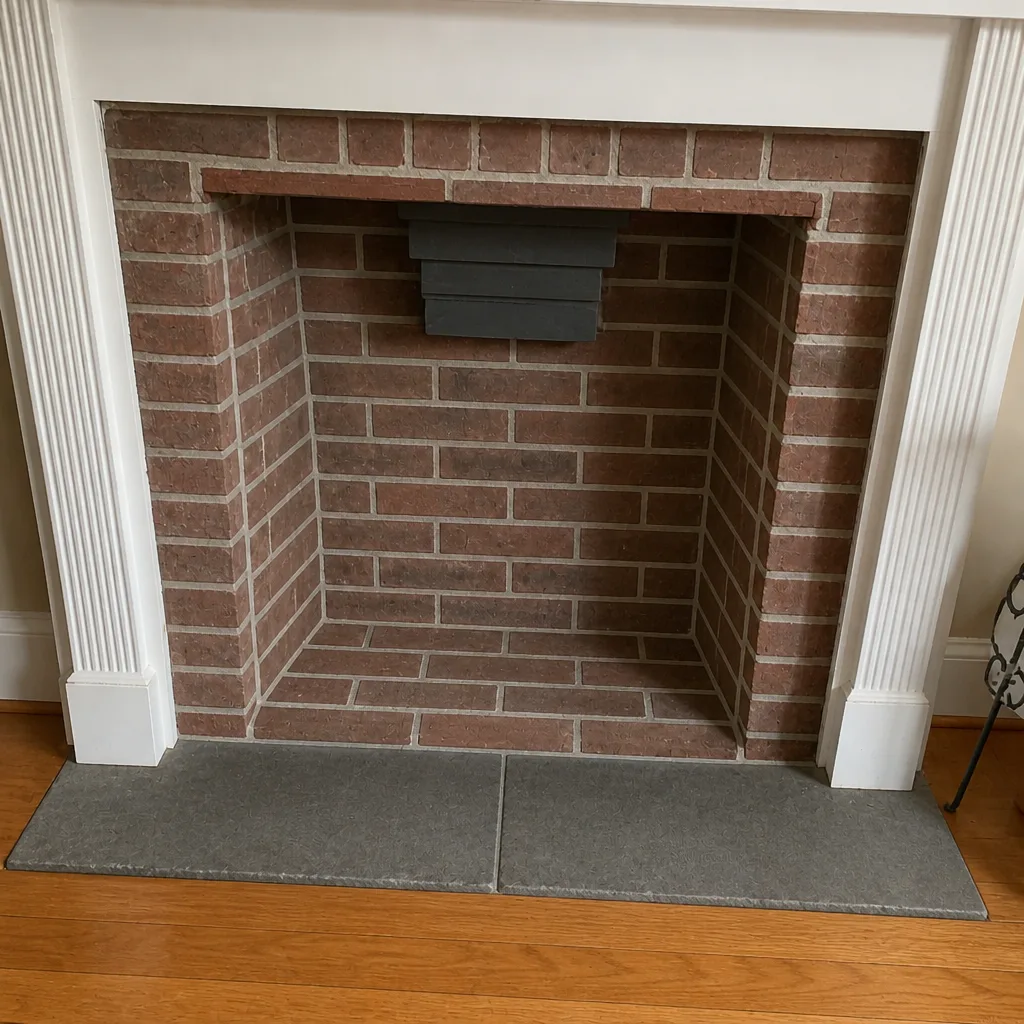
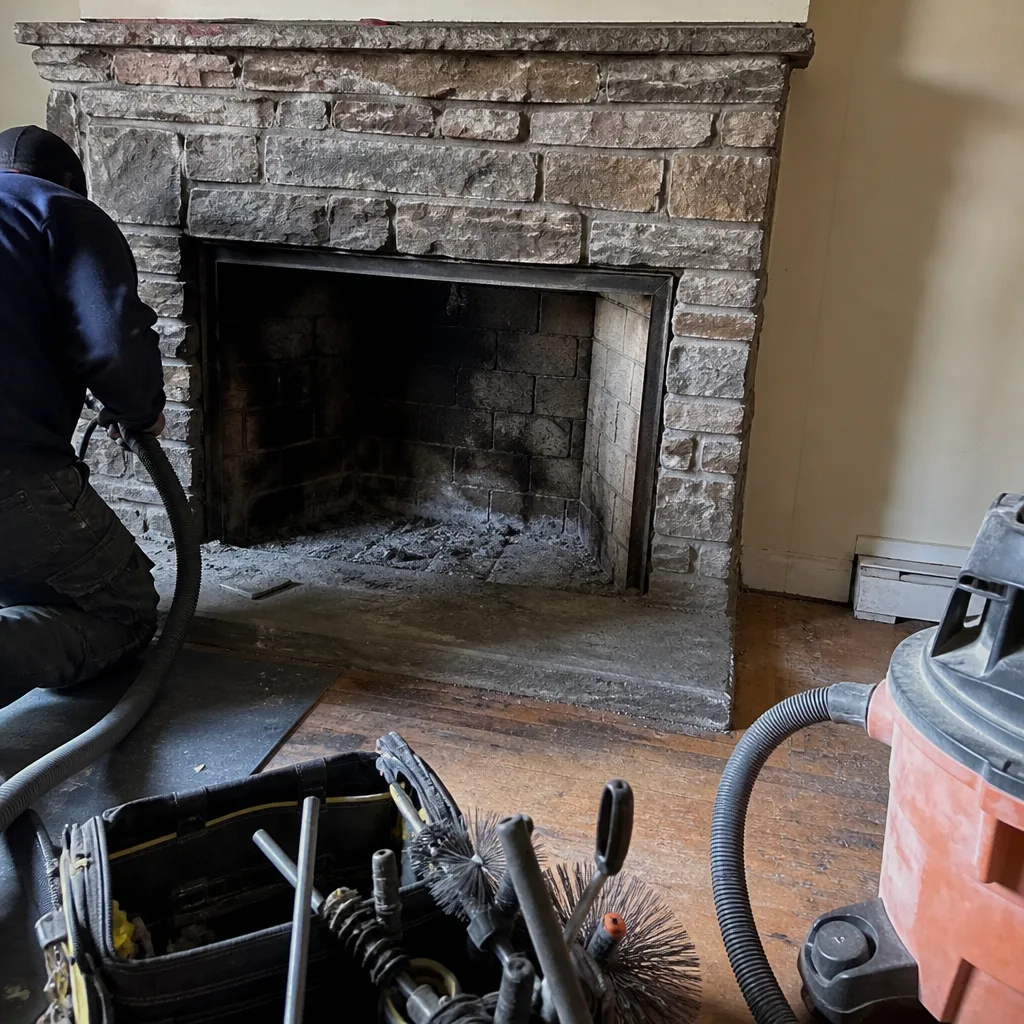
See the difference
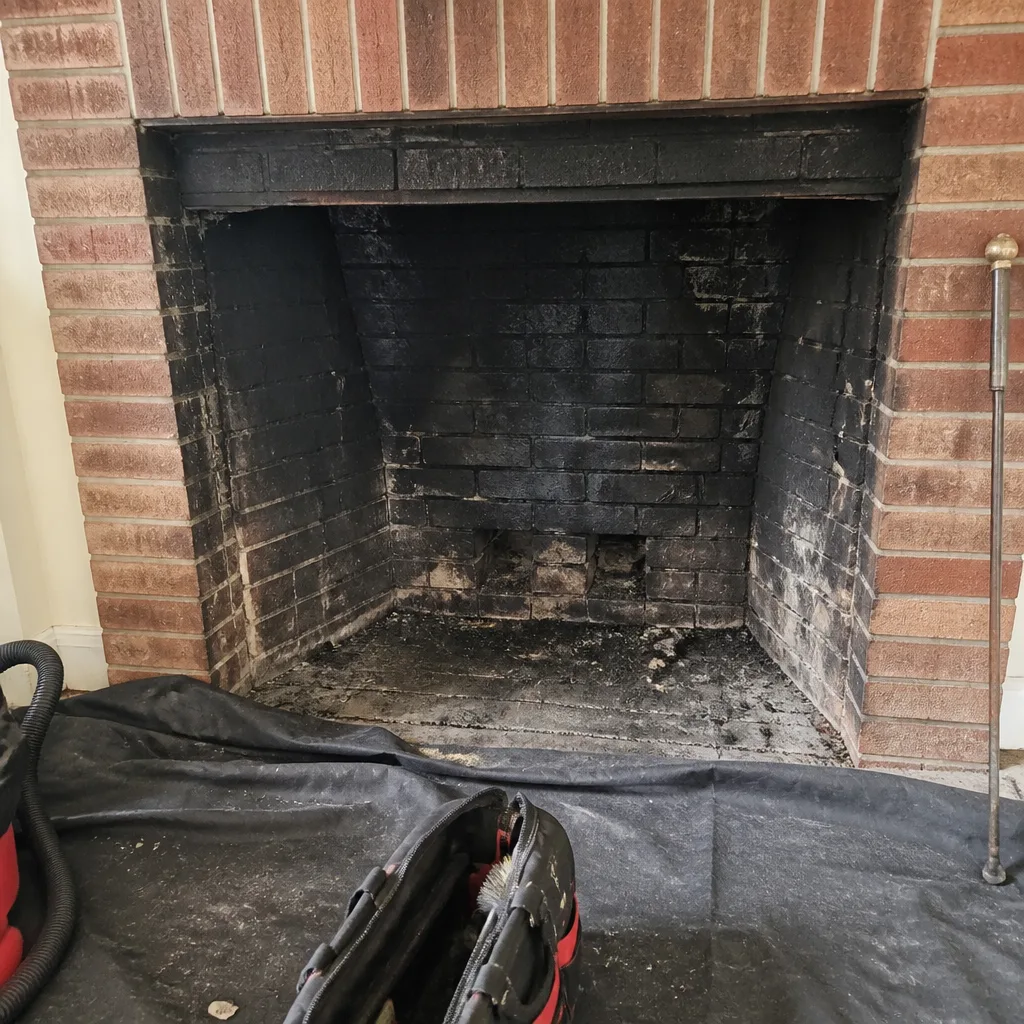 Before
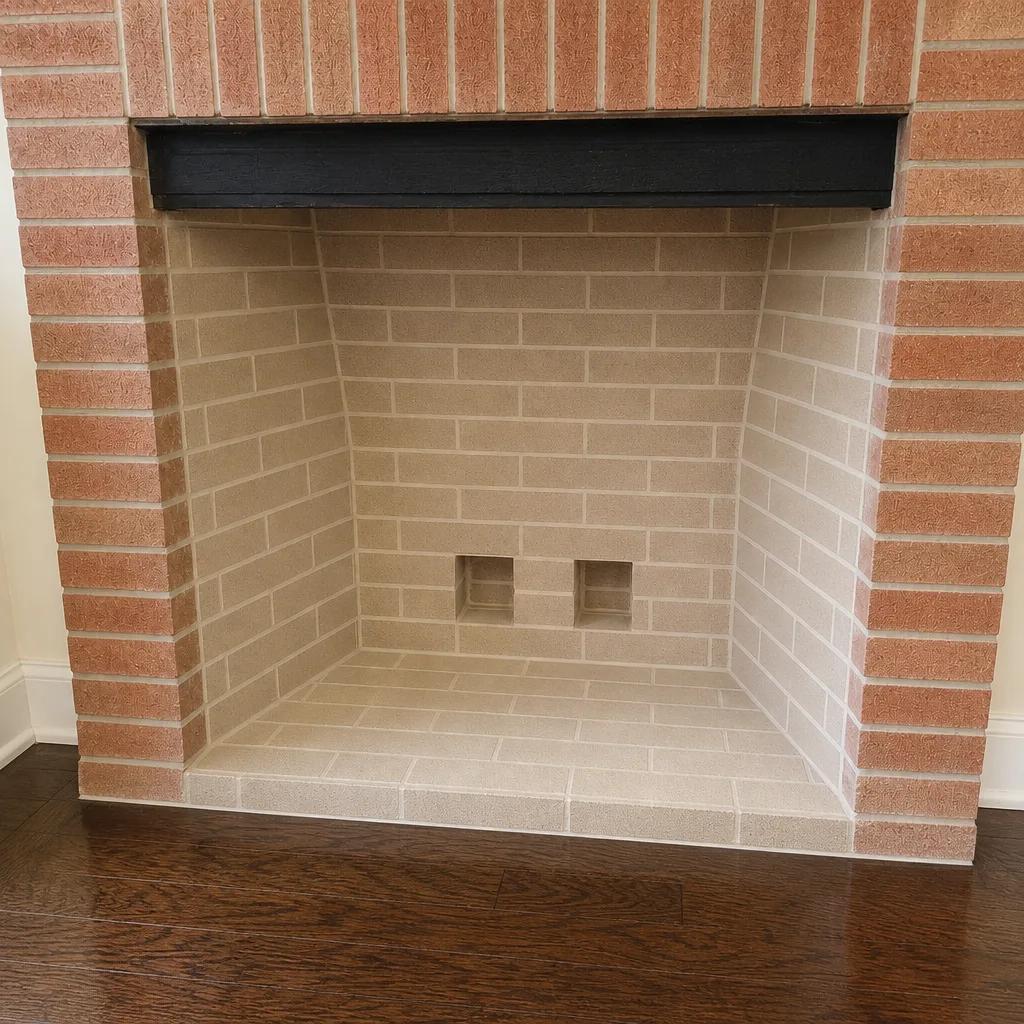 After
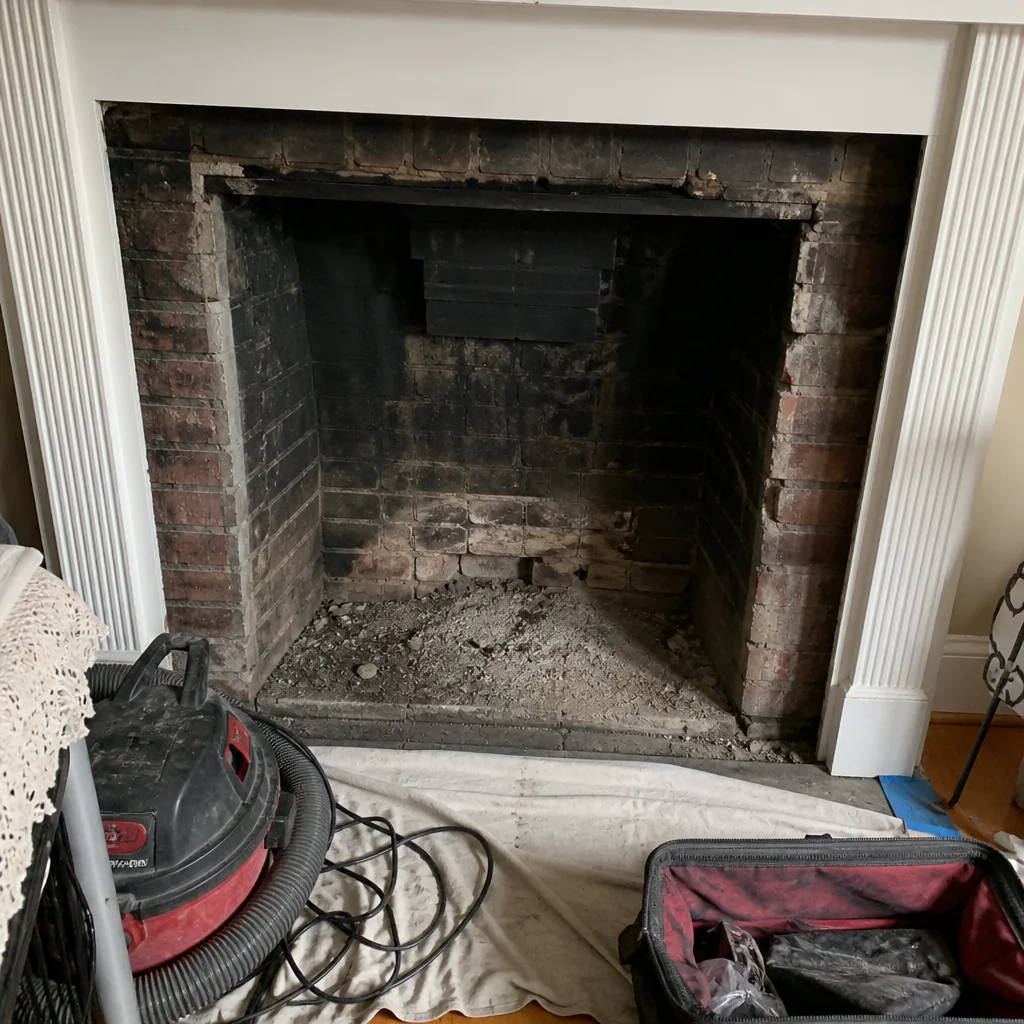 Before
 After
 Before
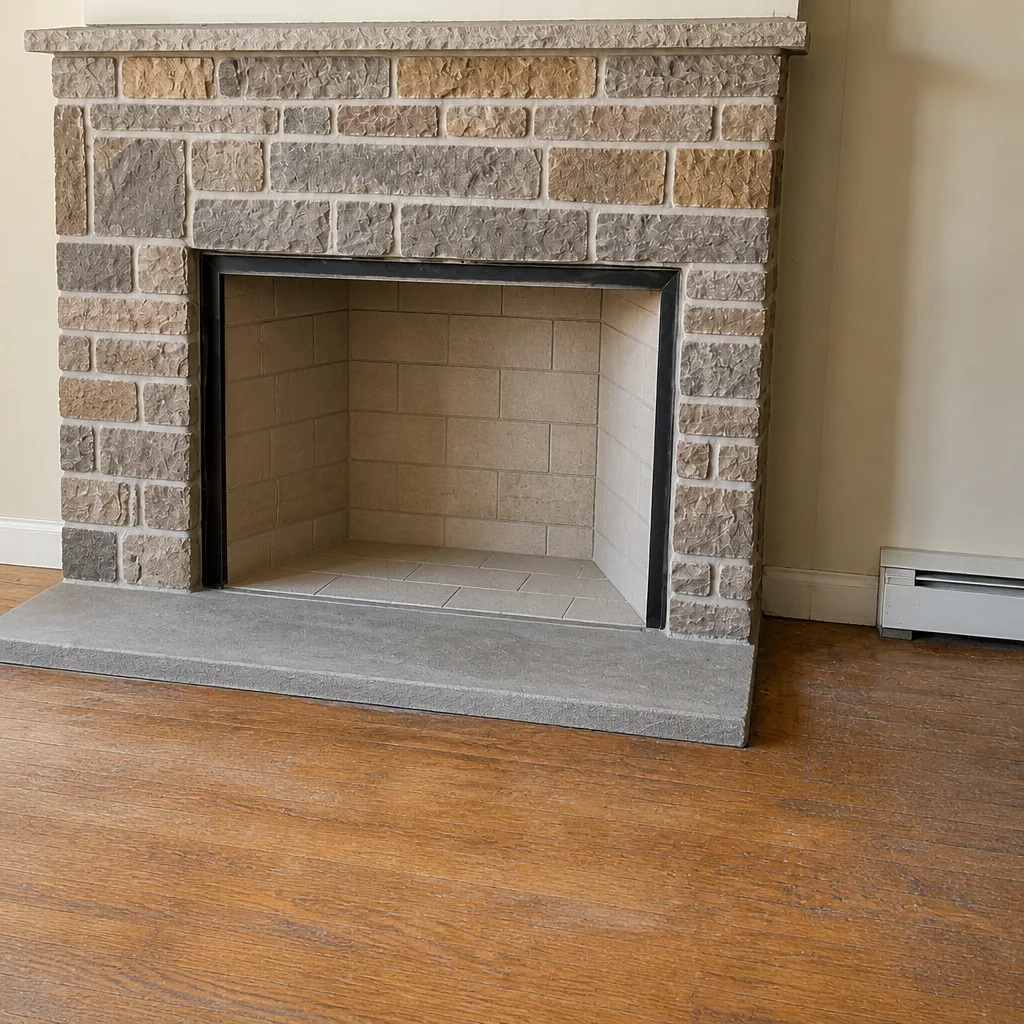 After
When to Call a Professional
Some things are homeowner checks. Some are not. Call a chimney specialist if you’ve had a chimney fire or suspect one, if smoke is rolling back into the room when you burn, if the damper sticks or won’t close fully, if you see cracks in the exterior masonry or the crown, if you’re uncertain of the last time the chimney was swept, or if you’re moving into a Roslindale home and don’t have maintenance records from the previous owner.
The fireplace repair scope covers the firebox, damper and fireplace masonry; the inspection scope covers the whole system. Both come from the same specialist trade. Chimney Sweep Roslindale offers free estimates in Roslindale – call (844) 420-1248. We answer 24/7, and fast dispatch runs from 7am to 7pm, Sunday through Friday.
Our technicians have up to 11 years of experience, and we specify trade-grade components from DuraFlex, HeatShield, Olympia Chimney and Gelco because those are the products professionals in this trade rely on. Nothing is recommended without camera evidence you can see for yourself – and if the work can safely wait until the following season, we tell you that plainly.
Frequently Asked Questions
At least once a year for any chimney that sees regular wood burning, and twice a year for chimneys that burn heavily through the winter. Chimneys that only see occasional fires should still be inspected annually so a blocked cap or a cracked tile doesn’t sit unaddressed for seasons. If you’ve moved into a Roslindale home and don’t know when it was last swept, treat it as due now. Call (844) 420-1248 for an exact quote – estimates are free.
Creosote builds up in layers, and the deposits harden over time into a flammable glaze – 3rd-degree creosote – that fuels chimney fires. A skipped season isn’t just a missed cleaning; it’s one step closer to a fuel source that brushing alone can’t remove. It also hides liner damage that a sweep would have caught. Call (844) 420-1248 to book a sweep before the buildup reaches the glazed stage.
You won’t always know at the time – some chimney fires burn quietly and go undetected until a sweep finds puffy or glazed creosote and heat damage inside the flue. Signs that do show up afterward include a warped damper, creosote flakes on the roof, damaged mortar in the smoke chamber, and cracks in the flue tile. If there’s any doubt, a Level 2 inspection settles it. Call (844) 420-1248 for an inspection.
Yes. A cracked crown is the leading cause of water damage inside a chimney – water enters through the crack and works its way into the masonry and the liner. Over seasons, that water freezes and thaws, widening the damage and eventually reaching the flue. Crown repair is one of the most cost-effective maintenance steps available for a masonry chimney. Call (844) 420-1248 for an estimate on crown work.
Yes. NFPA 211 calls for a Level 2 inspection after any chimney fire, and the reason is simple: a visual check from the firebox can’t see the inside of the flue. A Level 2 inspection covers the full flue path, including offsets and joints, and typically includes camera footage so the findings are documented. Nothing is recommended without evidence you can see. Call (844) 420-1248 to book one.
No. Unseasoned wood produces more smoke, more creosote, and less heat – it’s giving up moisture at the expense of the flue. Split a piece of the wood and check the freshly exposed face; if it feels cool and damp, it isn’t ready. Burning dry, split hardwood is the single most effective thing a homeowner can do to slow creosote formation. Call (844) 420-1248 if you’re not sure what’s already in the flue.
The Bottom Line
Chimney emergencies in Roslindale are usually the visible end of a quiet buildup – 2nd-degree creosote hardening into 3rd-degree over a few skipped seasons, a crown crack letting water in for years, a blocked cap narrowing the flue until draft fails. The prevention that actually works is unglamorous: burn dry wood, sweep annually, address 2nd-degree deposits before they glaze, and get a Level 2 inspection after any fire, even a suspected one. Call (844) 420-1248. We answer 24/7, and fast dispatch runs from 7am to 7pm, Sunday through Friday. Estimates are free, the written estimate sets the final price, and the camera inspection and photo report are included so you can see exactly what we see.
Written by the team at Chimney Sweep Roslindale.