
Last updated November 25, 2026
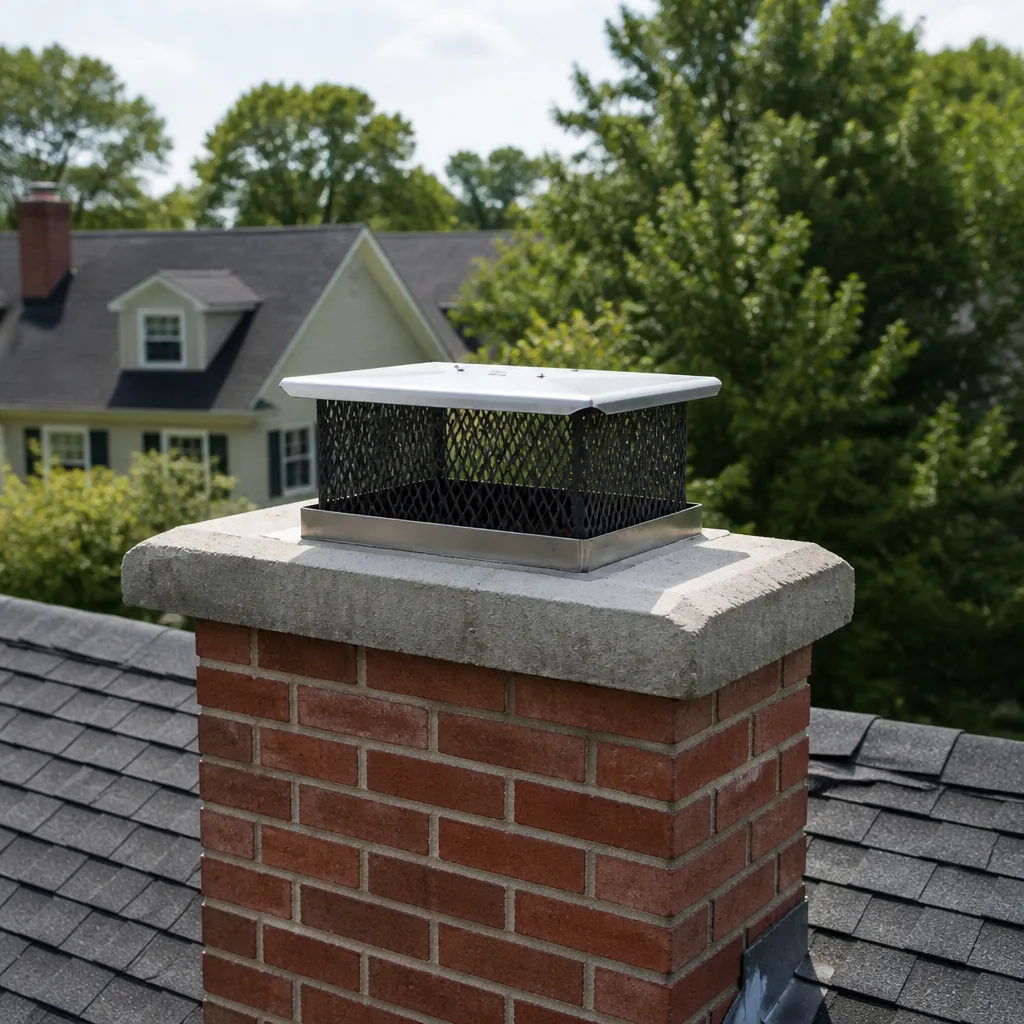 Sweep & inspection
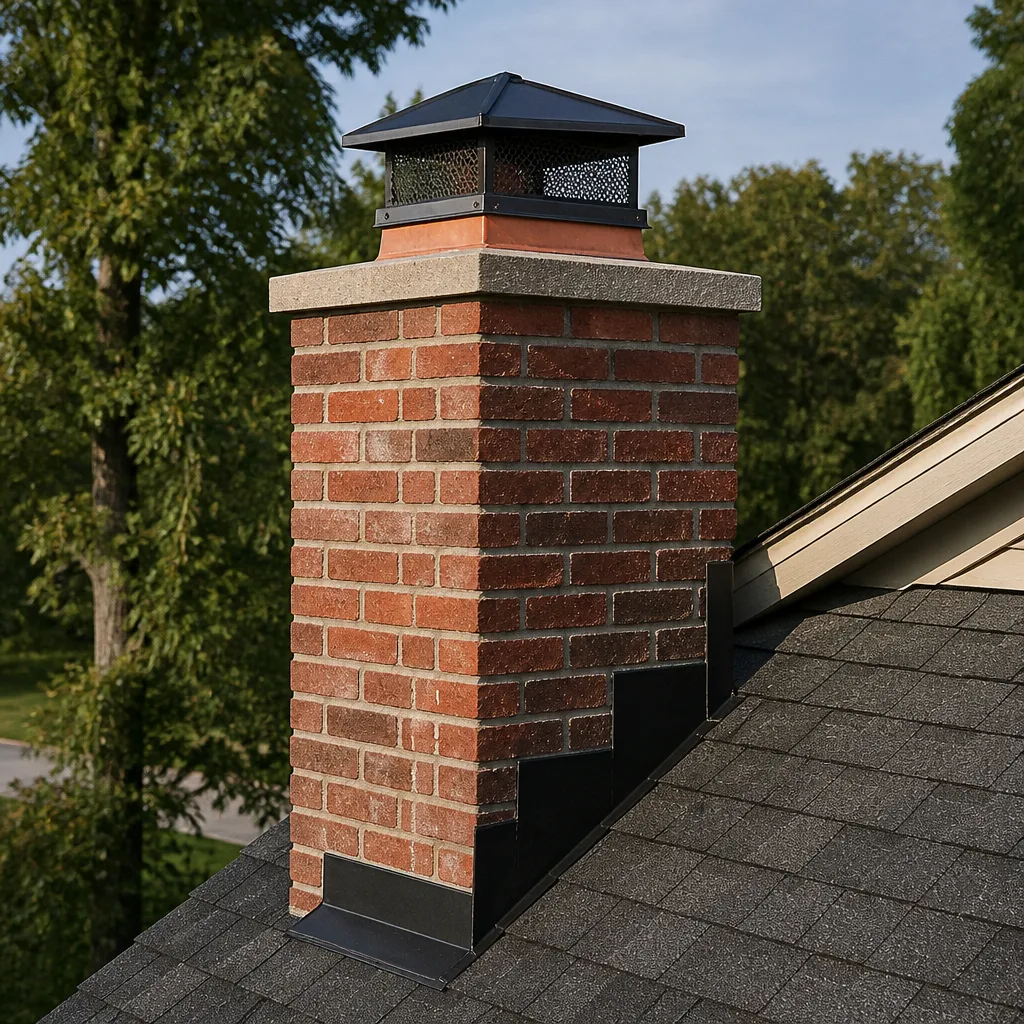 Caps & crowns
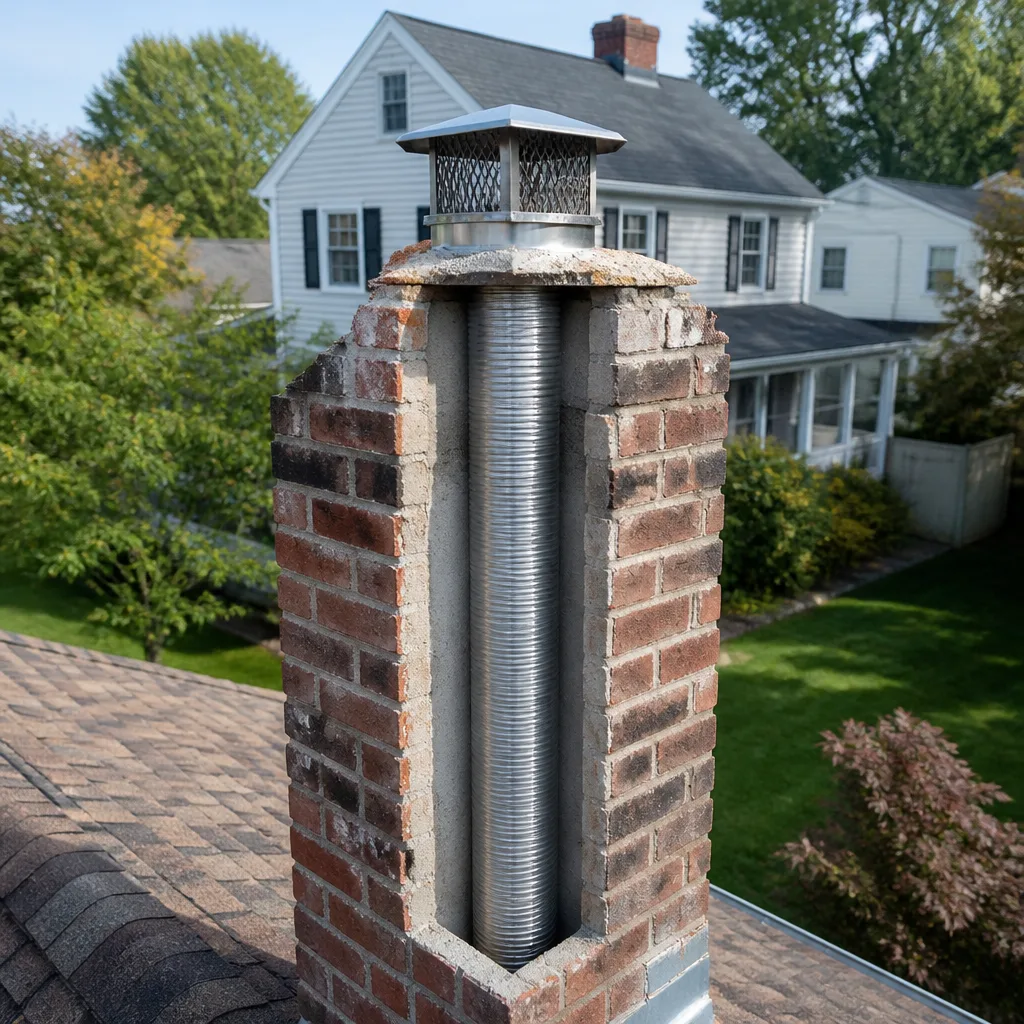 Flue relining
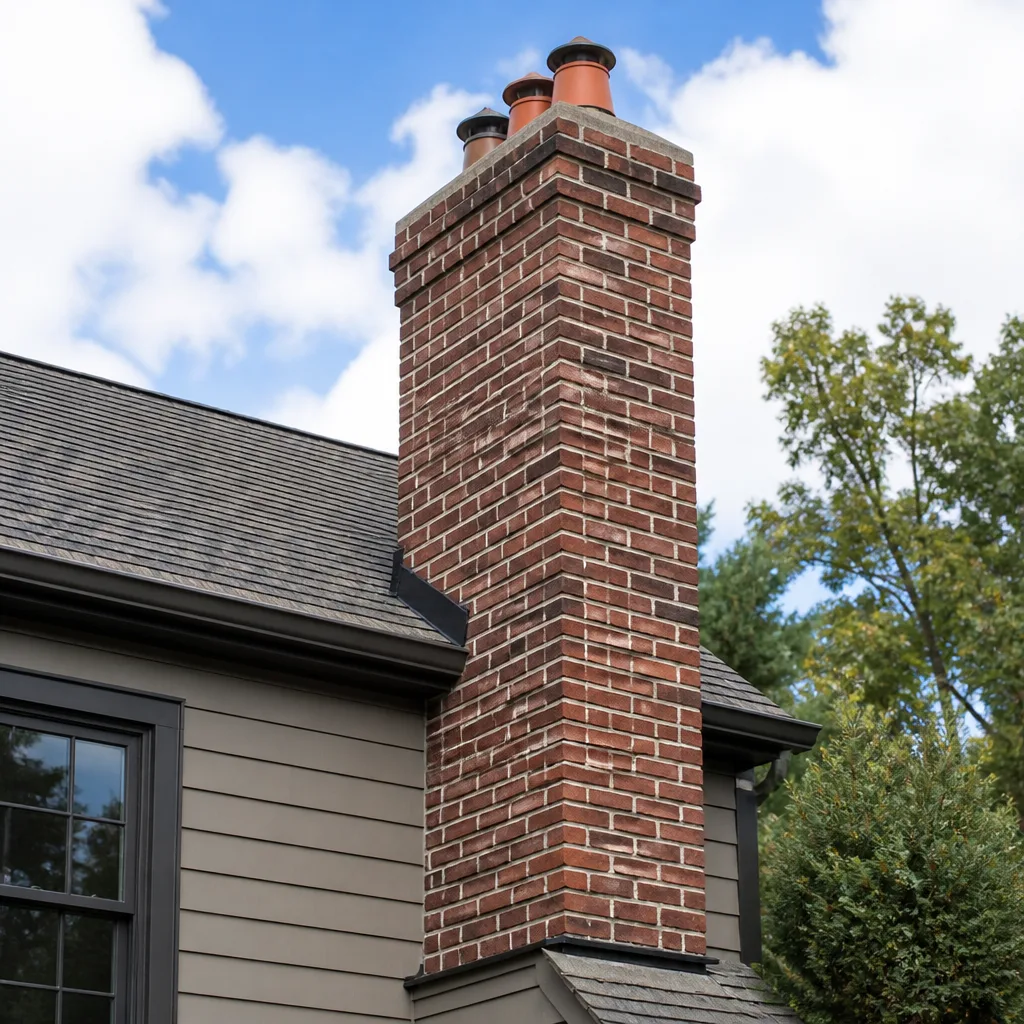 Masonry repair
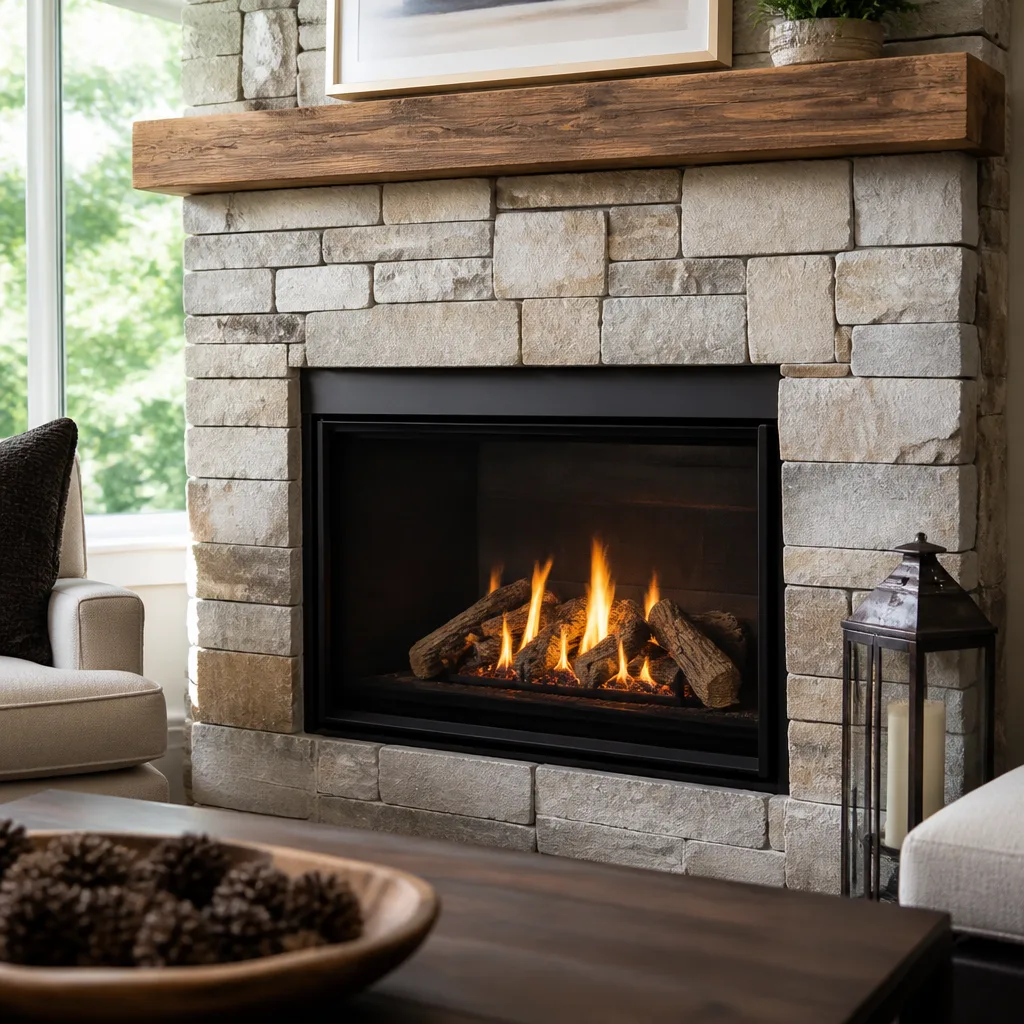 Gas fireplace service
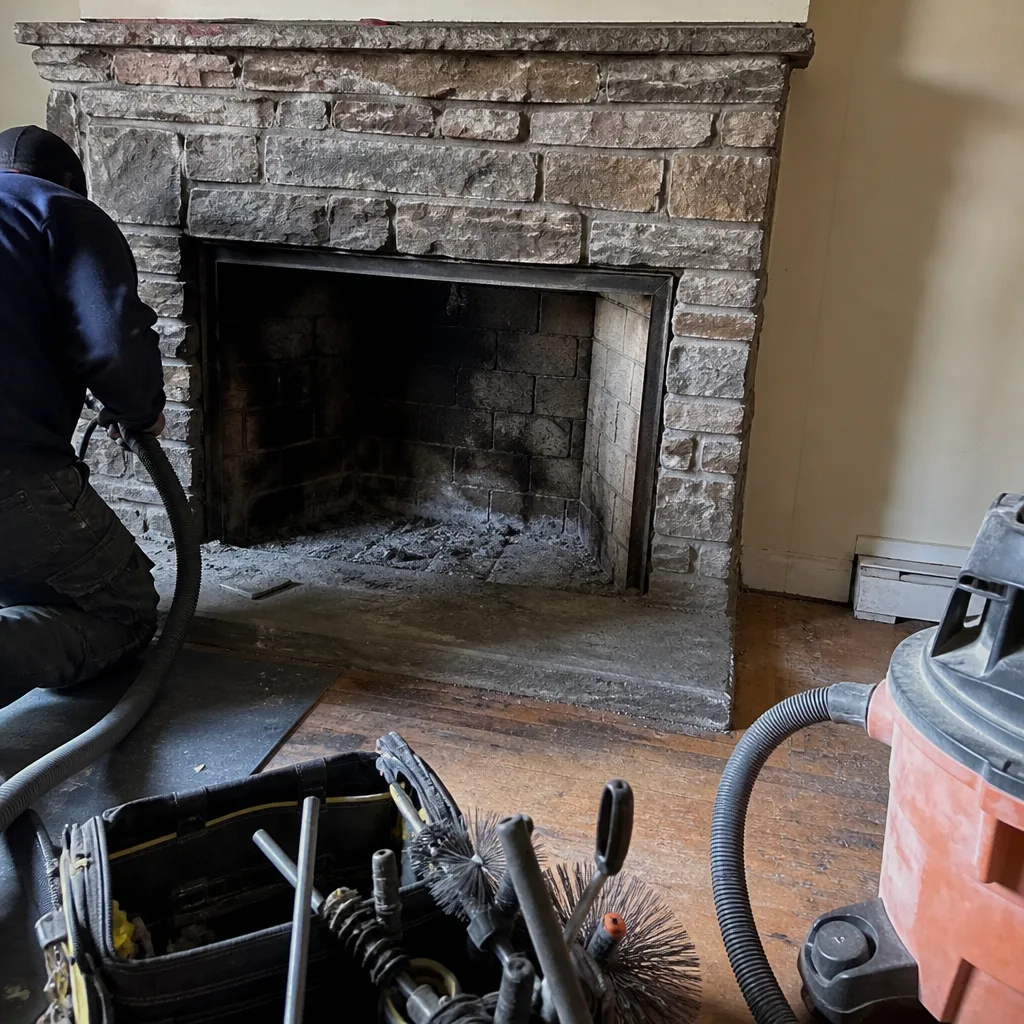
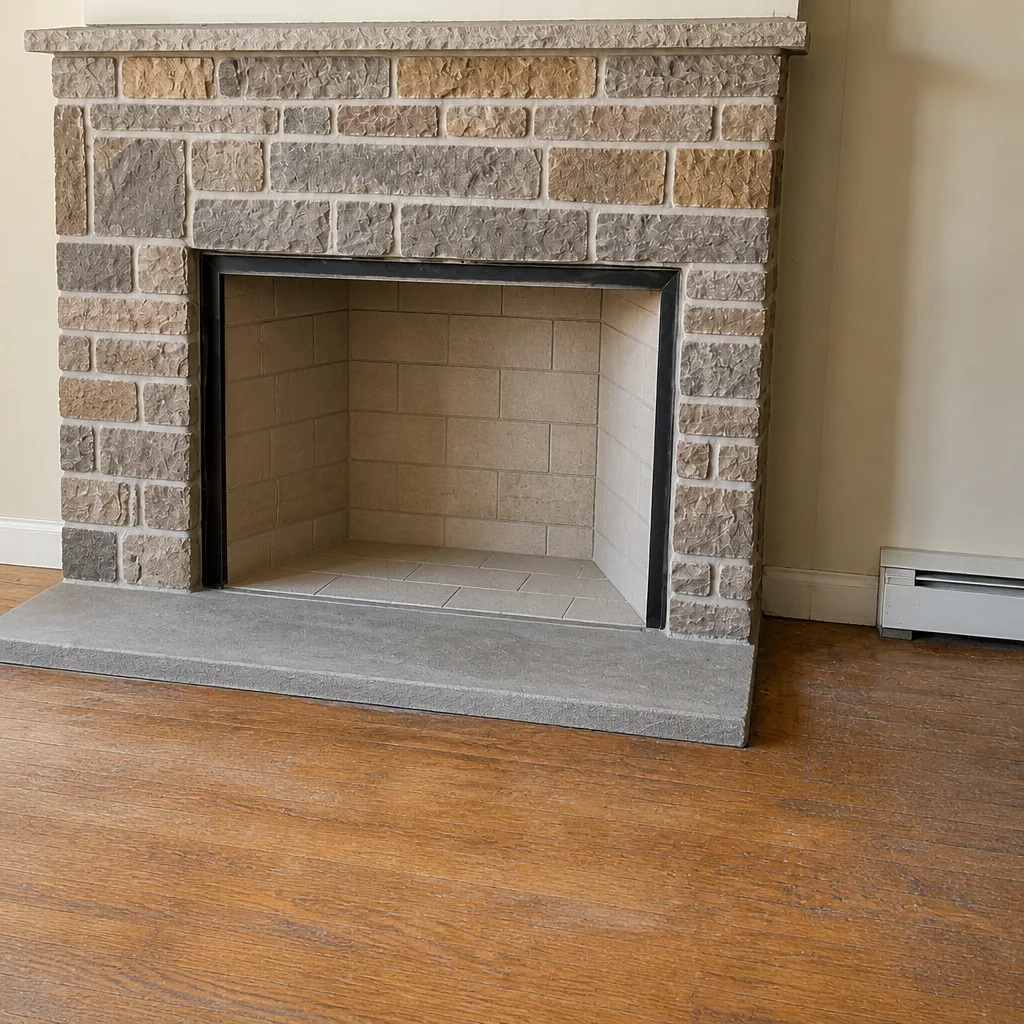
Level 1 sweep and inspection to the NFPA 211 annual standard - flue, crown, cap, and flashing checked and photographed
Chimney sweep logs do not sweep chimneys. They loosen some creosote - which then falls where a brush and vacuum still have to collect it.
Seasonal Chimney Cleaning Care for Roslindale: Year-Round Homeowner’s Guide
Fall is when everyone calls. That’s also when every sweep in Boston is booked weeks out, and your first fire of the season often happens before your appointment does. The result is predictable: a flue that goes from a cold, unused summer to a hot fire with nothing checked in between. Roslindale’s chimney care calendar shouldn’t run on a seasonal reminder on your phone. It should follow the specific stresses each season puts on masonry and liner systems. In this guide, we’ll walk through what actually happens to a chimney in Roslindale across all four seasons, what to check and when, and how to structure a two-visit annual rhythm that covers the real risk points without over-servicing a system that’s in decent shape.
Styles & brands we work with
- Sweep & inspection
- Caps & crowns
- Flue relining
- Masonry repair
- Gas fireplace service
Quick Answer
The best year-round chimney care in Roslindale follows stress, not the calendar: a spring inspection after the heating season catches freeze-thaw damage, nesting activity, and liner shifts while they’re still visible and cheap to address, and a fall cleaning before the first fire removes the creosote and soot that accumulated over the winter. Two visits a year, timed to those two pressure points, cover everything a single fall sweep can’t.
Table of Contents
- Why spring is the most diagnostic time to look at a Roslindale chimney
- The hidden summer risk: closed flues, humidity, and what it does to mortar
- What a pre-season fall inspection should actually verify
- Mid-winter warning signs that something has changed
- How to structure a two-visit annual rhythm without over-servicing
- What Roslindale’s older housing stock means for your timing
- Common mistakes to avoid
- When to call a professional
- Frequently asked questions
- The bottom line
Why Spring Is the Most Diagnostic Time to Look at a Roslindale Chimney
Most homeowners think of chimney work as a fall chore. In our experience, spring is the season that tells you the most about a chimney’s condition, and it’s the season most people skip. Here’s why.
Roslindale winters bring repeated freeze-thaw cycles. Water gets into masonry, expands when it freezes, and pushes the joints apart. Come April, the damage is fresh and visible: hairline cracks in the crown, spalling brick, crumbling mortar joints above the roofline, a liner that shifted slightly in its housing. Six months later, some of that is hidden under new soot and creosote, and some of it has gotten worse. A spring inspection catches it at the earliest, cheapest repair point.
Spring is also when nesting activity becomes obvious. Birds, squirrels, and other animals look for warm, sheltered spots in late winter and early spring, and an uncapped flue is a favorite. By April or May, a nest or debris cap is usually visible from the top, and it’s an easy problem to clear before it blocks draft in the fall. The same visit is when we look at whether the cap is still doing its job, since the chimney cap & crown are the two most common points of water intrusion on the whole system.
What a spring inspection actually checks:
- The crown, for cracks, separation from the flue, and water pooling at the top of the chimney.
- The cap and spark screen, for damage, animal debris, or a screen that’s rusted through.
- The liner, for shifts, gaps, cracks, or visible deterioration along its length.
- The exterior masonry, for spalling, efflorescence, and white staining that signals moisture.
- The firebox and damper, for cracks, rust, and whether the damper still seats properly.
- The flashing at the roofline, for lifted edges or gaps where water finds a path in.
If any of that shows a compromised liner, spring is also the right season to talk through options, before fall demand limits scheduling. Using HeatShield, we can resurface a compromised liner without a full replacement in eligible situations, and on flues that need a full reline, DuraFlex flexible stainless systems handle older chimneys with offset or irregular flues. Either way, doing that work in spring means it’s settled and cured long before you want to light a fire.
The Hidden Summer Risk: Closed Flues, Humidity, and What It Does to Mortar
Summer is the season homeowners forget about their chimney, and that’s exactly the problem. A closed damper in a humid Boston summer turns a flue into a damp, poorly ventilated column. Moisture in masonry doesn’t evaporate when it can’t escape. It sits, and it works on the mortar and the brick from the inside.
This is where the crown and cap matter most. A cracked crown lets water straight into the top of the chimney, and once it’s in, it moves down through the masonry. Accelerated mortar degradation follows: soft, sandy joints, efflorescence staining, and brick that starts to pit and spall. None of it happens overnight. It happens over a summer, and then another one, and the repairs get more involved each year it’s left alone.
There are a few simple things worth checking during the summer months. You don’t need to climb anything:
- Look at the chimney from the ground. Any white staining on the brick is a moisture sign. Any obvious crack in the crown is worth an inspection.
- Crack the damper slightly. A little ventilation keeps humidity from building in the flue. It’s not a substitute for a cap and a healthy crown, but it helps.
- Check for animal activity. Birds and squirrels find uncapped flues in every season. If you hear scratching or see nesting material on a screen, call.
- Look at the ceiling around the chimney. Any discoloration inside the house points to water getting past the flashing or the crown, and it’s worth a look before it spreads.
Summer is also a good time to schedule a standalone inspection if you haven’t had one. There’s no fire demand, no rush, and it’s a calm moment to get an honest assessment of what you’re actually dealing with before you commit to any repair work. That’s how we prefer to work: find out first, decide second.
What a Pre-Season Fall Inspection Should Actually Verify
The fall sweep is the one everyone books, and it’s important. But a fall visit that stops at “creosote removed, you’re good” isn’t a complete pre-season check. Creosote removal is the headline, but the fire safety of the whole system depends on several other things being verified before the first fire.
Here’s what a proper pre-season inspection should confirm, beyond the sweep itself:
- Creosote level and type. Glazed, hardened creosote is a chimney fire risk and takes more than a brush. A sweep should tell you what’s in the flue, not just that it’s gone.
- Damper function. A damper that won’t seal properly leaks heat all winter and can let smoke back into the room. It needs to open, close, and seat cleanly.
- Smoke chamber integrity. The smoke chamber is the funnel above the damper, and it’s the part most general handymen never look at. Cracks and rough surfaces here are a common cause of smoke spillage, and they’re a fire risk when creosote builds on them. HeatShield is the product we use for smoke chamber resurfacing when it’s needed.
- Draft check. A cold flue pulls slowly. We check that the draft is moving the right way and that the flue is sized correctly for the appliance.
- Cap and crown condition. These two are where water gets in. Fall is the moment to fix a cracked crown or a damaged cap, because winter freeze-thaw only makes it worse.
- Liner condition. A visual check on the liner, and a camera inspection where needed, confirms there aren’t gaps or cracks that will let hot gases into the masonry.
- Exterior masonry. Any new spalling, loose flashing, or separated joints since spring.
If you want a level of confidence you can verify for yourself, ask for a camera inspection with a photo report. Any reputable sweep should be willing to show you what they see on a screen. If we recommend work, that’s how we justify it: you see it, not just hear about it.
Mid-Winter Warning Signs That Something Has Changed
Most chimney problems don’t wait for spring. If something has changed since the fall visit, winter is when you’ll notice it. The trick is knowing what actually counts as a warning sign, because some of what people worry about is normal, and some of what people ignore isn’t.
These are the changes worth acting on mid-season:
- Draft reversal. Smoke rolling back into the room when you light a fire, or the smell of exhaust in the house, can mean the flue is blocked, the chimney has cooled too much, or the pressure balance in the house has changed. It’s not something to push through.
- New odors. A strong smoky smell in the house, even when there’s no fire, sometimes points to a blocked flue, a failed damper, or creosote buildup. It’s worth a call.
- Smoke spillage on refueling. A little smoke when you open the door is normal on a cold start. Consistent smoke spilling into the room when the fire is already established is not.
- Visible creosote flaking. If you can see shiny, black creosote building up in the firebox or at the damper, there’s more of it higher up in the flue. Stop burning and get it looked at.
- Rust, water stains, or dampness. Any of these in winter means something is failing on the exterior, and freeze-thaw is going to exploit it fast.
- A chimney fire. A loud roaring sound, a deep rumble, or glowing visible at the top of the chimney. Get everyone out and call the fire department. Don’t try to fight it yourself.
If any of those look familiar, call us before the season ends. It’s easier to fix a mid-season problem when the weather is still cooperating with the repair than after it’s had a full winter to progress. We answer 24/7. Fast dispatch, 7am-7pm, Sunday through Friday.
How to Structure a Two-Visit Annual Rhythm Without Over-Servicing
Two visits a year covers the seasonal risk points for most Roslindale chimneys. That said, it’s not a rule for every house. If you burn heavily, have an older chimney, or have had liner or crown repairs, you may need more. If you burn a few cords a season and the system is in good shape, the two-visit rhythm below is what we recommend. A professional sweep can tell you which case you’re in after the first inspection.
Here’s the annual rhythm we suggest:
- Spring (April – June): inspection. This is the diagnostic visit. We look at what winter did to the masonry, the crown, the liner, the damper, and the firebox. We also check for nesting debris, clean the cap if it’s blocked, and take photos of anything that needs attention. If repair work needs doing, this is the season to schedule it.
- Summer (optional): repair and ventilation. If the spring inspection found repairs, this is when they happen. HeatShield resurfacing and DuraFlex relining are best done in warm weather, when products cure cleanly and the chimney isn’t in use. Keep the damper cracked for ventilation if you’re not burning.
- Fall (September – October): cleaning and pre-season check. This is the sweep visit: creosote and soot removed, flue thoroughly cleaned, and a second pass on the damper, smoke chamber, cap, and crown before you light the first fire. Ideally the visit happens at least a few weeks before you plan to use the fireplace, not the week you want to.
- Winter (December – February): monitor and call if needed. No visit required under normal circumstances, but this is when you watch for the warning signs above. If anything changes, call. Don’t wait for spring.
The key insight: spring and fall are doing different jobs. Spring finds what’s wrong. Fall makes sure the system is ready to use. Doing only one is a partial check, and doing only fall means the diagnostic work gets pushed to winter when the chimney is in use. The two visits don’t over-service a chimney. They split the checklist in two, which is exactly what the seasonal risk pattern calls for in Roslindale.
What Roslindale’s Older Housing Stock Means for Your Timing
Roslindale has a lot of older housing stock, and that matters for how you time chimney work. A chimney in a century-old house tends to have a liner that’s been patched, a crown that’s been repointed once or twice, and masonry that’s spent a lot of decades absorbing moisture. In those houses, winter hits harder than it does in newer construction, and the spring inspection is doing more work than it would on a chimney built in the last twenty years.
The neighborhoods in Roslindale vary, but the pattern is consistent across them. Chimneys on the older two- and three-family houses and the single-families on the side streets often have exterior masonry that’s moved through many freeze-thaw cycles and a liner that no longer sits tight in its housing. That combination is where spring-diagnostic work matters most, because a shifted liner or a cracked crown caught in April is an easy fix, and the same problem caught in October after another winter is a much larger job.
For those chimneys, the spring inspection is the important one. If it finds a compromised liner and the chimney doesn’t qualify for HeatShield resurfacing, a full reline with a DuraFlex system is the durable path, and it’s a job best done in spring or summer when the chimney isn’t needed for heat. That way the system is fully cured and tested before the next heating season. We specify DuraFlex and Copperfield components on those jobs because they’re what professionals in this trade rely on, and the last thing a century-old chimney needs is a half-solution that fails in a decade.
Common Mistakes to Avoid
- Booking the fall sweep too late. If you call in November, you’ll likely be booked weeks out and might end up lighting a fire before the sweep has happened. Book the fall visit by late September, and the spring inspection in April or May.
- Skipping the spring look because the fire worked fine last winter. A chimney that functioned doesn’t mean a chimney that’s healthy. Freeze-thaw damage, nesting activity, and liner shifts all happen while the chimney is cold, and none of them make the fire behave differently until they’ve progressed.
- Running the summer with the damper closed. In a humid Boston summer, a fully closed damper traps moisture in the flue. A slight crack lets the flue breathe and slows mortar degradation over the season.
- Treating a cap and crown as cosmetic. They’re the two most common points of water intrusion on the whole chimney. A cracked crown or a rusted-out cap is the leading source of water damage inside a chimney in Roslindale, and it’s cheap to fix early and expensive to fix late.
- Accepting a recommendation without seeing the evidence. If a sweep tells you that you need thousands of dollars of liner or masonry work, ask for the camera inspection and the photo report. You should be able to see it yourself, not just take it on faith.
- Pushing through a mid-winter draft reversal. If smoke rolls into the room, stop. A blocked or failing flue gets worse, and the next fire is the one that has a problem.
- Assuming the fall sweep covers everything. A sweep removes creosote. It doesn’t diagnose the crown, the liner, the smoke chamber, or the exterior masonry. Those need a proper inspection, and that’s a separate visit.
When to Call a Professional
Call a professional if any of these apply:
You’ve never had the chimney inspected, or you don’t remember when it was last done. You’ve moved into a Roslindale home and don’t know the chimney’s history. You’re seeing white staining, spalling brick, or a visible crack in the crown. Smoke spills into the room when the fire is burning. You can smell smoke in the house when there’s no fire. You’ve had a chimney fire, even a small one. You hear animal activity in the flue, or see nesting debris on the cap. Your damper won’t close or seat properly. And, of course, if you want a spring inspection done before the season ends, or a fall sweep booked before the calendar fills.
Chimney Sweep Roslindale offers free estimates in Roslindale. Call (844) 420-1248. We answer 24/7. Fast dispatch, 7am-7pm, Sunday through Friday. Every visit comes with a camera inspection and photo report, and any recommended work is justified by what you can see, not just what we tell you. If the work can safely wait, we’ll say so.
Frequently Asked Questions
Most chimneys need a sweep once a year, timed for the fall before the heating season, plus a spring inspection. That’s the two-visit rhythm. How often you actually need the full cleaning depends on how much you burn, what you burn, and the condition of your liner. A professional can tell you after the first inspection. Call (844) 420-1248 for an honest assessment.
Spring is the better time to diagnose a chimney; fall is the better time to clean it. Spring shows you what winter did to the masonry, the crown, and the liner while the damage is fresh and visible. Fall makes sure the flue is clean and the whole system is ready for the first fire. The two visits cover different ground, and skipping either leaves a gap.
A closed damper in a humid summer traps moisture in the flue. That moisture stays in the masonry and degrades the mortar, which shows up as soft joints, white staining, and brick that starts to spall. A slightly cracked damper helps ventilate the flue. A healthy crown and cap keep water from getting in at the top, which is where it starts. Call (844) 420-1248 if you see staining or a crown crack.
Watch for draft reversal, smoke spilling into the room on refueling, new smoke odors in the house, visible flaking creosote, or rust and water stains. Any of those warrants a call before the season ends, not after. A loud roaring sound or glowing at the top of the chimney means a chimney fire; get everyone out and call the fire department first.
Sometimes, yes, and sometimes not. Hairline crown cracks can often wait until spring, but a cracked crown that’s already letting water in should not go through another winter. A liner with gaps or cracks is not a wait-until-spring situation. We’ll tell you plainly which category your repair is in, and we’ll justify it with the camera footage.
You should always be able to verify what a sweep recommends. We use camera inspections and photo reports so you can see the same thing we do, and nothing gets recommended without that evidence. If you’re considering a repair, ask for the footage before you agree. It’s your chimney, and you should see it. Call (844) 420-1248 to book an inspection.
The Bottom Line
Roslindale chimney care follows stress, not seasons on a calendar. Spring does the diagnosing: freeze-thaw damage, nesting activity, and liner shifts are freshest and most visible in April and May. Summer is when you manage moisture, keeping the flue ventilated and the cap and crown sound. Fall does the cleaning and pre-season check, and it needs to be booked weeks before you plan to light the first fire. Winter is for monitoring, not for pushing through draft reversals or smoke spillage. Two visits a year, one in spring and one in fall, cover the risk points for most chimneys in this housing stock.
If you’ve been running on the fall-only rhythm, the spring visit is the piece you’re missing. If something’s changed since the fall, don’t wait. Chimney Sweep Roslindale handles the full scope: a chimney sweep, inspection, repairs, and the fireplace repair and liner work that comes up along the way. You can find the full range of what we do at Chimney Sweep Roslindale. Call (844) 420-1248 for a free estimate. We answer 24/7. Fast dispatch, 7am-7pm, Sunday through Friday. We’re closed Saturday.
Written by the team at Chimney Sweep Roslindale.
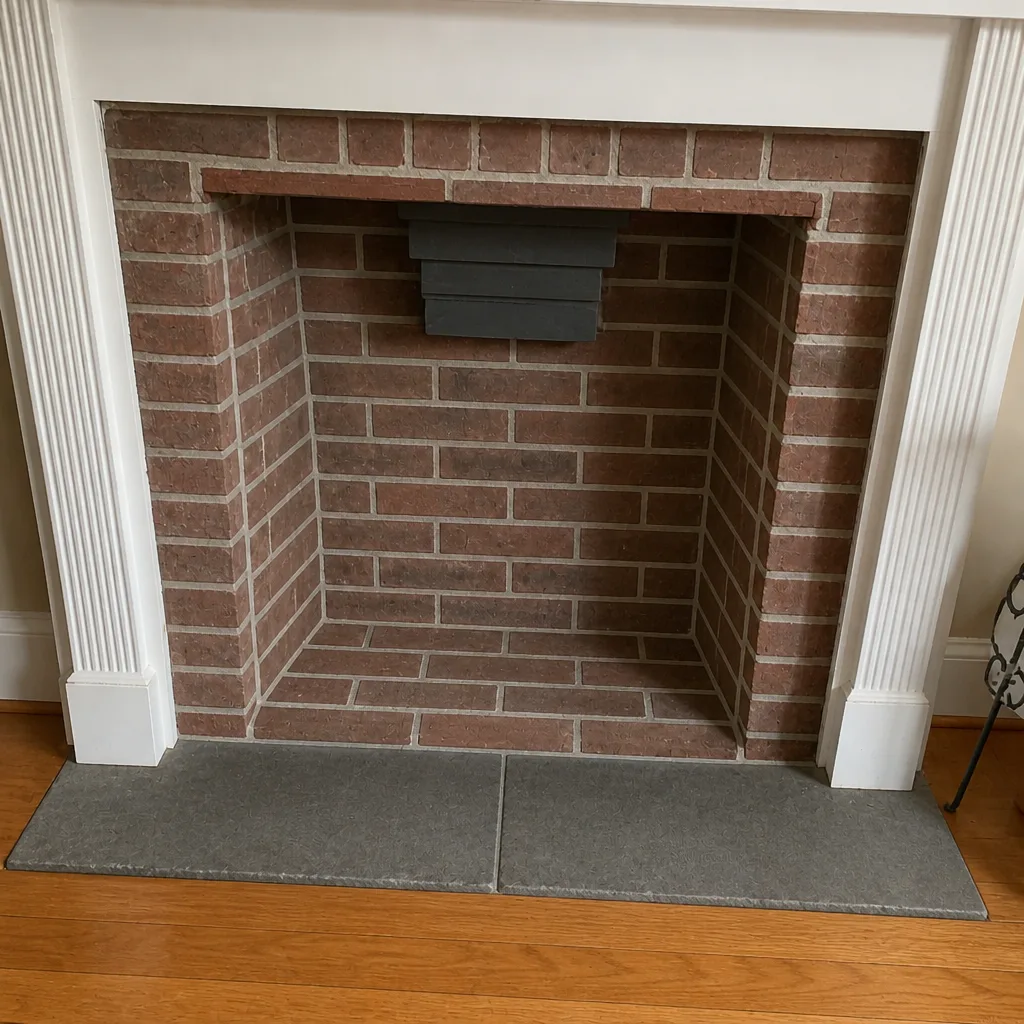
See the difference
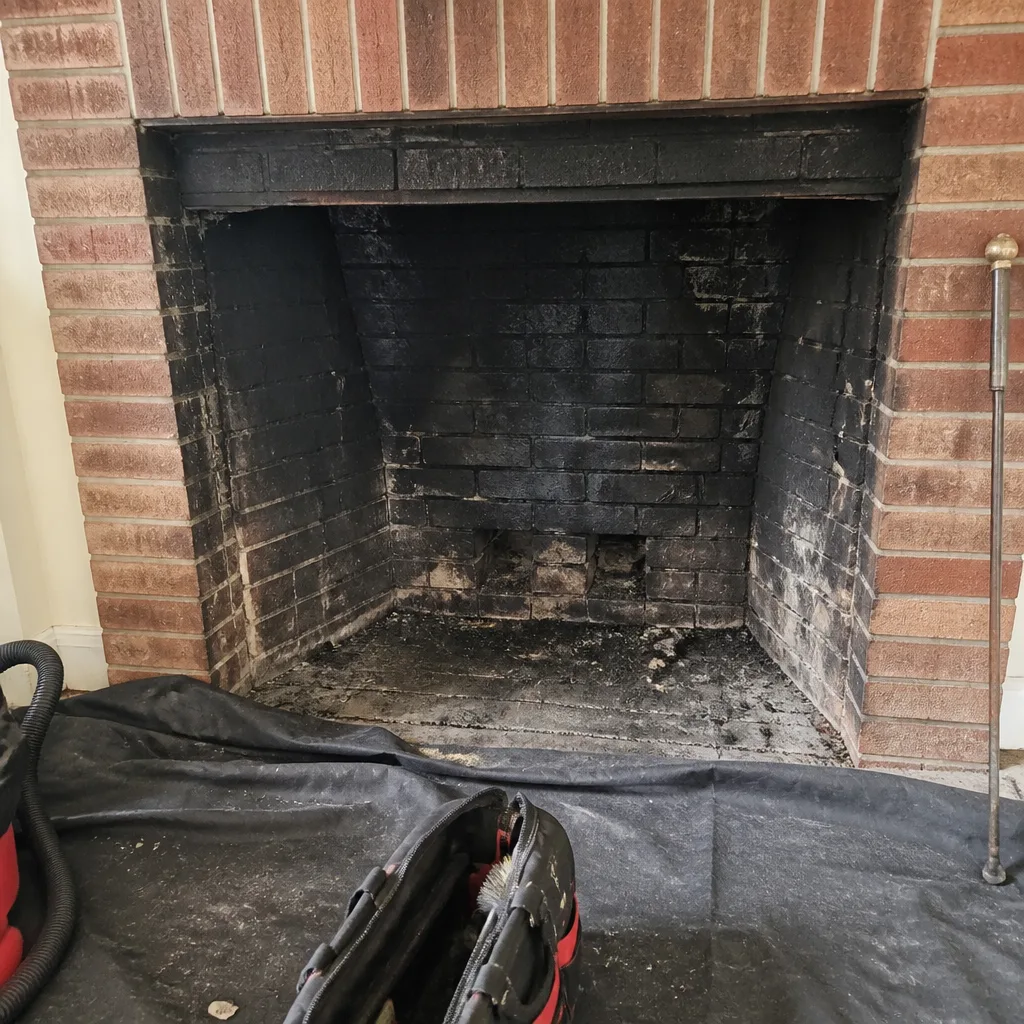 Before
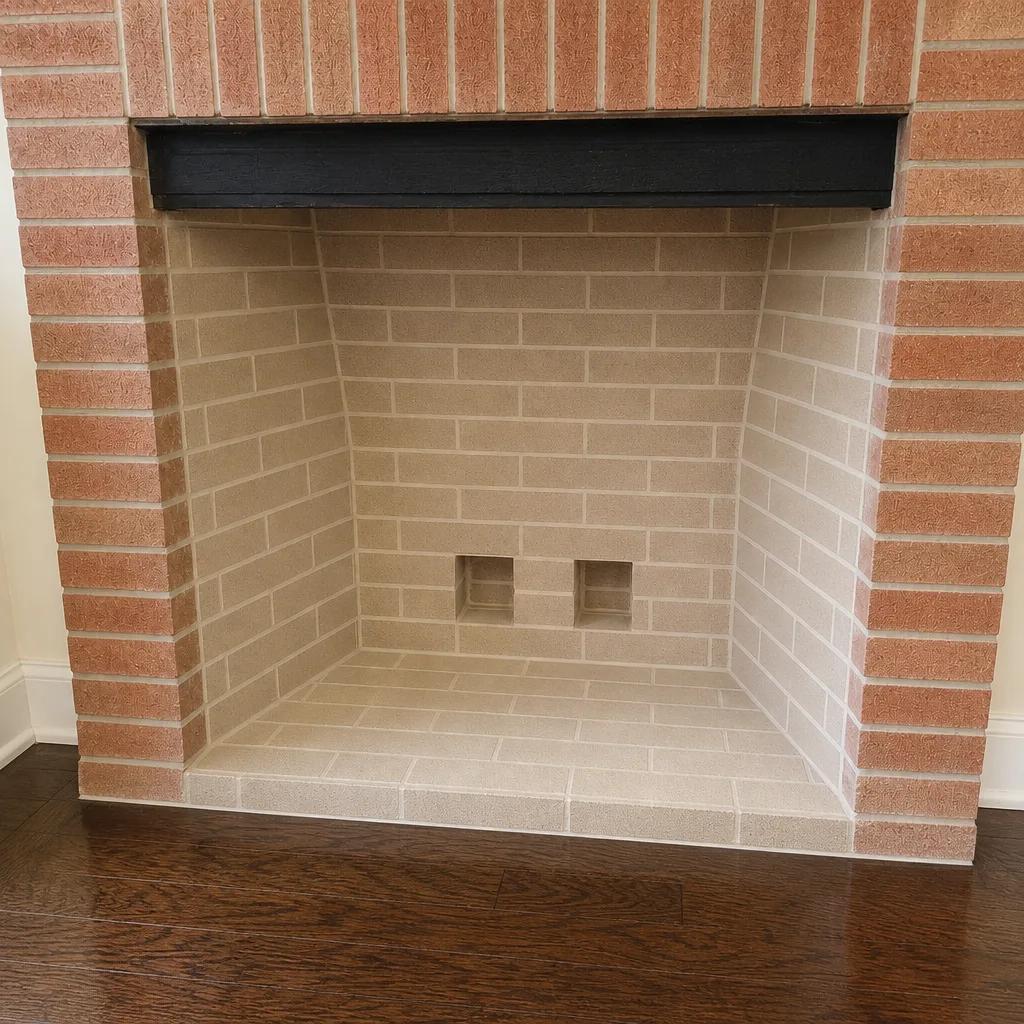 After
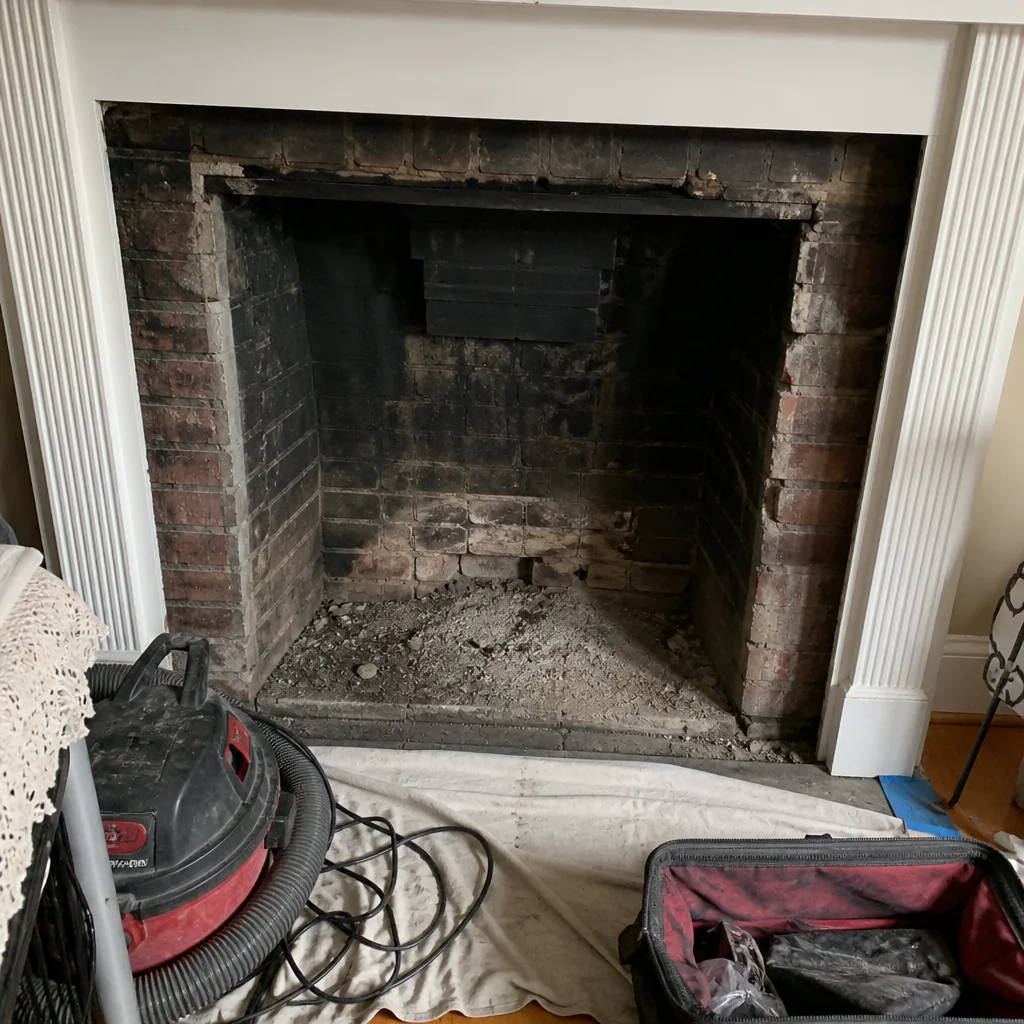 Before
 After
 Before
 After